Weekend Edition · Sat 17 Oct 2026
Europe Pushes Back Against Trump’s Russian Diesel Deal
EU leaders said on Friday that they "regret" Washington's decision to temporarily lift sanctions on Russian diesel, and later that day President Donald Trump signed an order waiving most of the new Russia sanctions law he approved a month ago. The texts show a time-limited licence and a set of waivers, not a repeal of US sanctions on Russia.
Chanan Zevin - Chief Editor and Head of Desks
Published
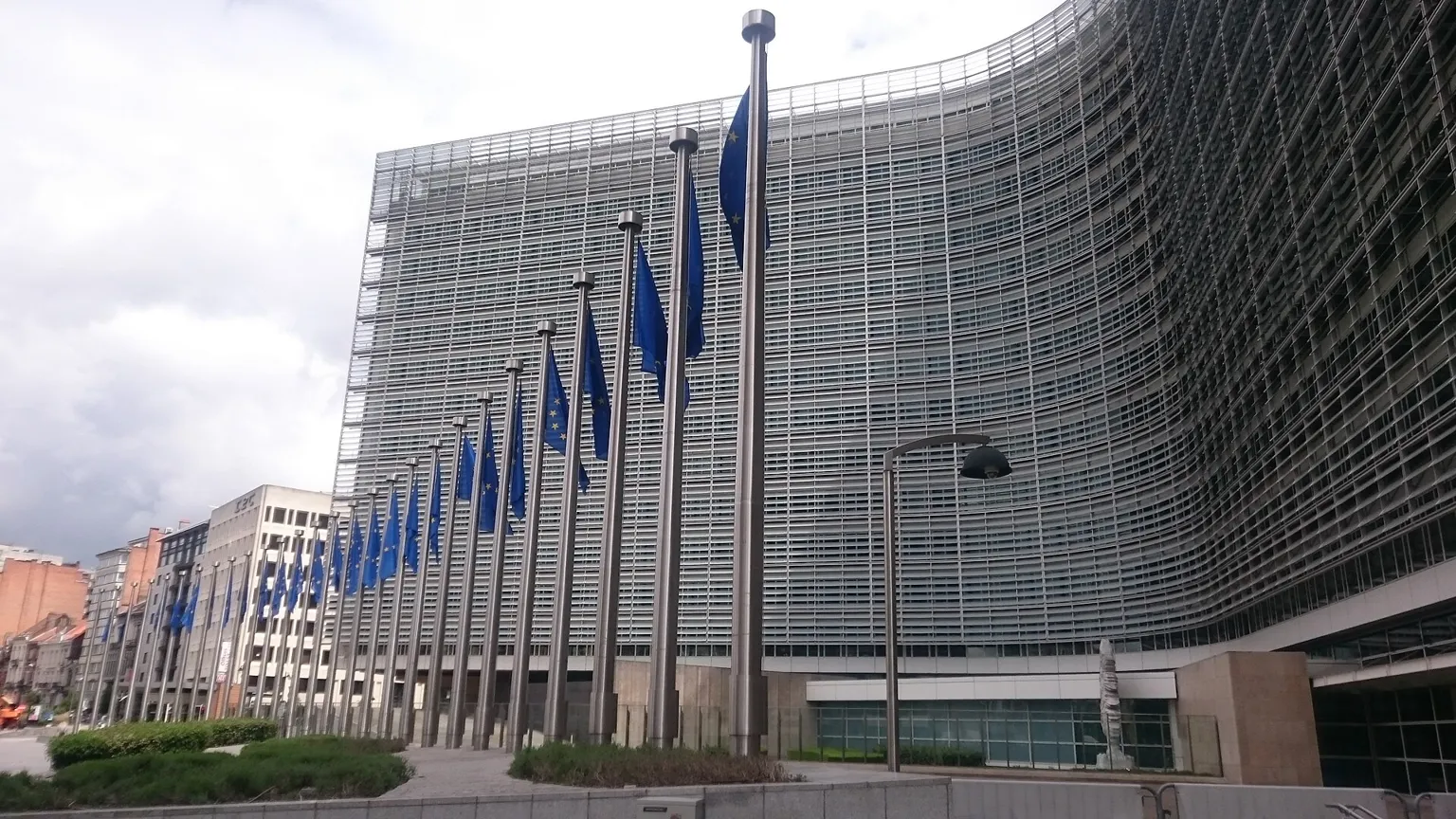
Europe's formal response
European Union leaders formally criticised the United States' Russian diesel arrangement on Friday, 16 October. "The European Council regrets the United States' decision to temporarily lift sanctions on Russian diesel," they said in conclusions adopted after a two-day summit in Brussels, Anadolu Agency reported. The leaders reaffirmed their support for Ukraine. They said further restrictive measures and tighter visa requirements for Russian nationals would be considered urgently, along with stronger action against hybrid threats.
The deal as announced
The arrangement began with an announcement by Trump on social media over the weekend of 10 and 11 October. According to Euronews, it envisages Moscow releasing 300,000 tonnes of diesel to the US and global markets immediately, a further 500,000 tonnes in November and one million tonnes after that. Chart 1 shows those announced volumes. They are the president's stated figures. The Journal has not seen a published contract, price or delivery schedule, and no cargo arrivals under the deal had been documented at its research cutoff.
The licence behind it
The legal instrument is narrower than the phrase "lifting sanctions" suggests. On 9 October, the Treasury's Office of Foreign Assets Control issued General License 135. It authorises transactions related to the sale, delivery, offloading and importation of Russian-origin diesel that would otherwise be prohibited under two sets of Russia sanctions regulations. The licence runs until 12:01 a.m. eastern daylight time on 7 April 2027. It does not authorise debits to accounts held at US financial institutions by Russia's central bank, National Wealth Fund or Finance Ministry.
What the licence does not do
A general licence is a temporary exemption, not a repeal. The underlying sanctions regulations remain in force, and the licence covers one product, diesel, for a fixed period. The Treasury can amend or revoke it before it expires. The EU's own wording, "temporarily lift," matches that reading. Descriptions of the move as an end to US sanctions on Russian energy overstate what the document says. It does not, for example, cover crude oil or natural gas.
Friday's executive order
Later on Friday, Trump signed an executive order implementing the Lindsey O. Graham Sanctioning Russia and Iran Act of 2026, which he signed into law on 18 September. The order formally sets the duty increases the law provides for. They are 500 percent on goods from Russia and 100 percent on goods from the five largest importers of Russian crude oil and natural gas that knowingly make new purchases on or after 18 October. In the same document, the order then waives all of those duties.
What Congress intended
The law was designed to be tougher. Drafted with Senator Richard Blumenthal and named after the late Senator Lindsey Graham, it sought to sanction Russian officials, banks and the shadow fleet of tankers that keeps Russian energy moving, The Independent reported. It directed the president to impose tariffs of up to 100 percent on the top five importers of Russian oil or gas. Countries importing less than 15 percent of Russia's gas exports, and taking significant steps to cut them, were exempted.
The waivers in detail
Section 4 of the order waives the duties under sections 112 and 113 of the act. It also waives the sanctions and restrictions in section 102(d), and in sections 102(a), 102(e), 103 through 111 and 117. The president certified to Congress that the waivers are in the "national interests of the United States," as section 115 of the act requires. The waivers remain in effect until the president or the secretary of state decides that further action is appropriate.
What still applies
The order states that it does not affect sanctions imposed under earlier executive orders addressing Russia's "harmful foreign activities," a national emergency the president continued on 24 March 2026. Existing designations of Russian banks, companies and individuals under those orders therefore remain. In the Journal's reading of the text, Friday's order switches off the new layer Congress added rather than dismantling the older one. The Treasury had not issued implementation guidance at the Journal's research cutoff of 12:30 GMT+3 on 17 October.
Timing against the deadline
The Independent reported that the order came two days before a deadline set in the law itself for its implementation. The order's text names 18 October as the date from which new purchases by large importers would trigger the 100 percent duty. The White House did not immediately explain the national-interest basis for the waivers, The Independent reported, although the notice said a report had been submitted to Congress. Table 1 sets out the sequence of law, licence, statements and order.
| Date | Instrument | What it does | In effect |
|---|---|---|---|
| 18 Sep 2026 | Graham Act (law) | New Russia sanctions and duties; s.115 waiver power | On enactment |
| 9 Oct 2026 | OFAC General License 135 | Authorises Russian-origin diesel transactions | Until 7 Apr 2027, 12:01 a.m. EDT |
| 10-11 Oct 2026 | Trump announcement | 300,000 t now, 500,000 t Nov, 1m t later | No published contract |
| 12 Oct 2026 | EU foreign ministers | 1,600+ new EU listings; criticism of deal | EU listings immediate |
| 15-16 Oct 2026 | European Council conclusions | "Regrets" US decision; more measures to be weighed | Political statement |
| 16 Oct 2026 | Executive order | Sets, then waives, Graham Act duties and most sanctions | Until further action |
| 18 Oct 2026 | Purchase trigger date | 100% duty on large importers' new purchases | Waived |
European ministers speak bluntly
European ministers had been blunter at their meeting on 12 October. "This deal doesn't help neither the price of oil products nor the unity of the transatlantic community," Lithuanian Foreign Minister Kęstutis Budrys said, according to Politico Europe. EU foreign policy chief Kaja Kallas said: "Russia has started this war. We should not forget this." French President Emmanuel Macron said the deal "sends a negative message" and would not affect global prices, Anadolu reported.
Sanctions in the other direction
The EU moved the opposite way. On 12 October it adopted its largest-ever addition to its sanctions list, targeting more than 1,600 people and entities accused of supporting Russia's war, Euronews reported. More than half of them are connected to ballistic missile production. Britain's Foreign Office minister of state, Stephen Doughty, said London was "not planning to follow suit" in buying Russian energy and would increase economic pressure on Moscow, Politico reported.
Kyiv questions the arithmetic
Ukrainian President Volodymyr Zelensky questioned the deal's economic logic. Speaking at the Warsaw Security Forum on 12 October, he said the proposed deliveries were insignificant compared with global monthly consumption of roughly 120 million tons. "I don't think that this will have a tangible impact," he said, according to Politico. On his figure, the first 300,000-tonne tranche equals about 0.25% of one month's consumption, which is 300,000 divided by 120 million. He also said Kyiv had not been told in advance about Trump's claimed "energy ceasefire."
Opposition in Washington
The pushback is not only European. US Representative Gregory Meeks introduced the bipartisan Prohibit Corrupt Russia Oil Deals Act, which aims to block the administration from purchasing and importing Russian diesel, Anadolu reported. Meeks argued that the purchases would benefit Moscow without delivering meaningful savings for American consumers. Democratic Representative Don Beyer called on Congress to "fix this flawed law," The Independent reported, after warning that the president might use its waiver powers.
The domestic political backdrop
The decisions come ahead of US midterm elections on 3 November. Politico reported that Trump announced the diesel imports weeks before midterms in which Republicans are polling badly and energy prices are a major issue. An AP-NORC poll published on 1 October found that Americans blame the president for higher prices, The Independent reported. Trump has said the purchases are meant to help bring down global energy prices. Any link between the deal and the election timetable is analysis, not an established motive.
What Europe can and cannot do
The EU cannot override US licensing decisions. Its levers are its own sanctions, its financing for Ukraine and coordination with Britain. The International Monetary Fund has estimated that Kyiv faces a financing gap of $30 billion to $35 billion next year, Politico reported. Swedish Foreign Minister Maria Malmer Stenergard has urged European partners to use immobilised Russian assets to increase support, Euronews reported. The summit conclusions put further measures on an urgent footing but did not adopt them.
Pressure on the ground
The diplomatic dispute unfolds against continued attacks. Russian strikes killed at least eight people and injured 60 across Ukraine on Friday, hit two shopping centres and cut power to more than one million people after strikes on the energy grid, officials said, according to The Independent. Russia's defence ministry said it struck Ukraine's largest steelworks in Kryvyi Rih overnight. Those strikes followed Trump's claim of an energy ceasefire, which Kyiv said it learned about from the media.
What to watch
Watch whether the Treasury amends, narrows or extends General License 135 before it expires on 7 April 2027. Watch for documented diesel cargoes under the deal, which would test the announced volumes. Watch whether Congress moves on the Meeks bill or tightens the Graham Act's waiver powers. And watch the EU's next sanctions package, which the leaders' conclusions placed on an urgent footing and which will show how far Europe is prepared to diverge from Washington.
Sources
- White House, "Implementing the Lindsey O. Graham Sanctioning Russia and Iran Act of 2026", 16 Oct 2026 · whitehouse.gov
- OFAC General License No. 135, 9 Oct 2026 · ofac.treasury.gov
- Anadolu, "EU leaders regret US decision...", 16 Oct 2026, and Morning Briefing 17 Oct 2026; also Politico Europe (12 Oct), Euronews (12 Oct), The Independent (17 Oct) · aa.com.tr