Weekend Edition · Fri 16 Oct 2026
Russia Puts More European Assets Under Temporary Management as EU Leaders Meet
A Kremlin decree signed on Thursday hands the Russian subsidiaries of five European-owned groups to a state-appointed manager. The owners keep legal title, but not control, and the timing lands on Brussels' summit week.
Chanan Zevin - Chief Editor and Head of Desks
Published
What the decree does
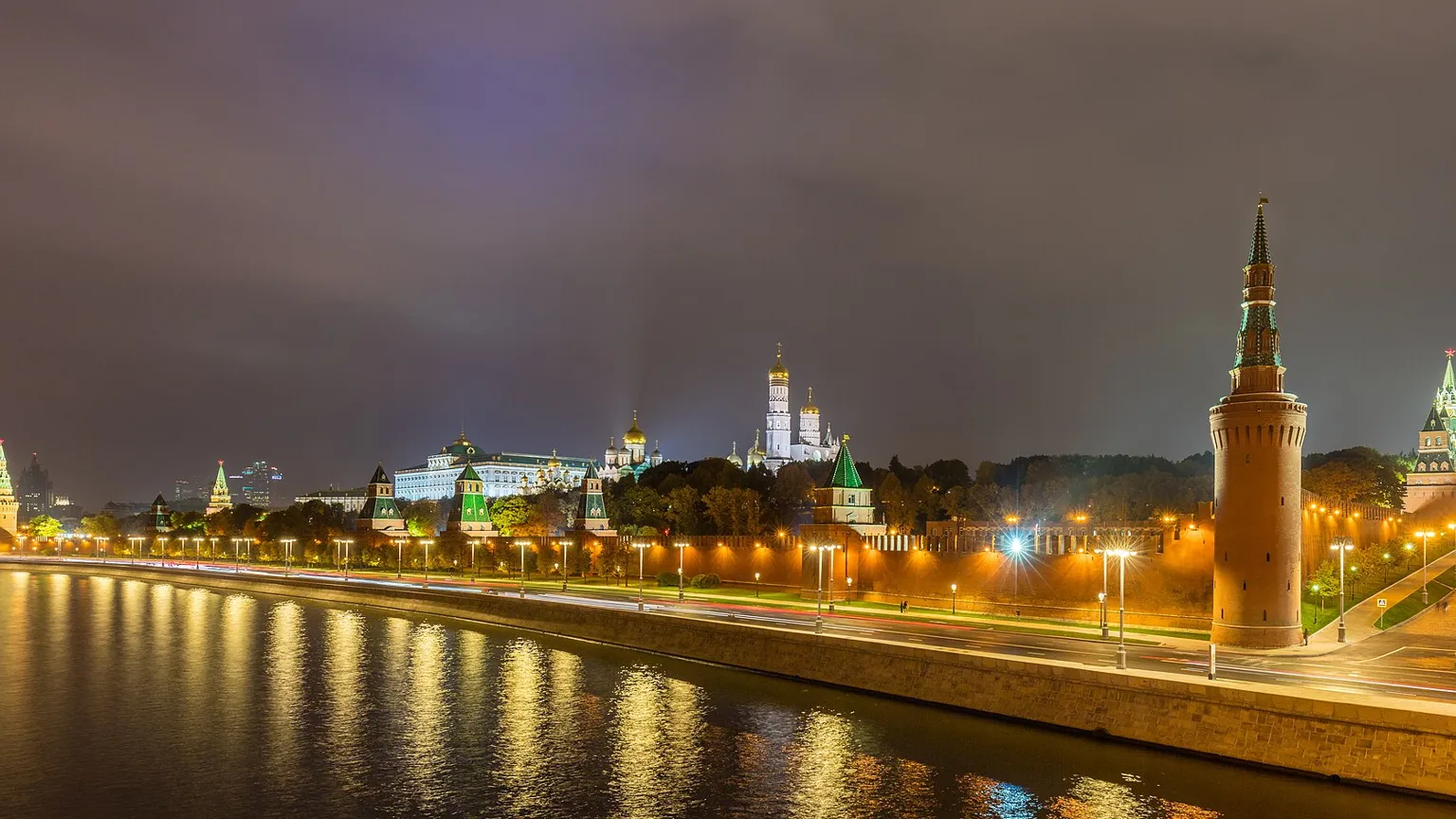
President Vladimir Putin signed Decree No. 738 on Thursday, October 15, and it took effect on publication the same day on Russia's official legal portal. It amends the list of assets placed under temporary management created by Decree No. 302 of April 2023, the mechanism Moscow has used since then to take operational control of foreign-owned businesses.
According to the text summarised by TASS and RIA Novosti, the manager in every case is a company called Management Company Center Capital LLC. The assets named are 100% of Tarkett Sommer LLC held by the French flooring group Tarkett; 100% of Ontex RU LLC held by Belgium's Ontex; 12,565 shares of Kappa Rus JSC held by Sweden's Sverige International Holdings AB; a 99.71% stake and a 0.29% stake in Menshen Packaging CIS LLC held by Germany's Georg Menshen GmbH & Co. KG; and 100% of Eviosys Packaging Kuban LLC held by Sonoco Packaging Netherlands Investments B.V. Interfax put the combined annual revenue of the businesses at more than 50 billion roubles.
Temporary management is not a transfer of ownership
The legal form matters. Under the 2023 regime the foreign owner remains the registered owner, but the appointed manager exercises the shareholder's rights: voting, running the company and deciding on disposals. A Russian legal-news summary of the decree describes the result in those terms, saying owners keep title but lose control.
Russian officials have described the measure as temporary and reversible. Nothing in the published text sets an end date, and earlier cases under the same decree show why companies treat that description cautiously: control has not always returned to the original owner. That history is a reason for caution, not proof of what will happen in these five cases.
What the companies say
Ontex was the first to respond publicly. In a statement on Friday, the Belgian hygiene-products maker said it had been informed of the decree, that a government-appointed interim administrator had assumed operational control of Ontex Russia, and that it was investigating and would consider appropriate actions to safeguard its assets and the continuity of the business. Ontex Russia employs around 350 people, runs a plant in Noginsk and a sales office in Moscow, and accounts for about 5% of group revenue and 7% to 8% of adjusted EBITDA, the company said.
At the research cutoff on Friday morning we had not found public statements from Tarkett, Menshen, Sonoco or the Kappa shareholder. We will add them if they are issued.
The summit context
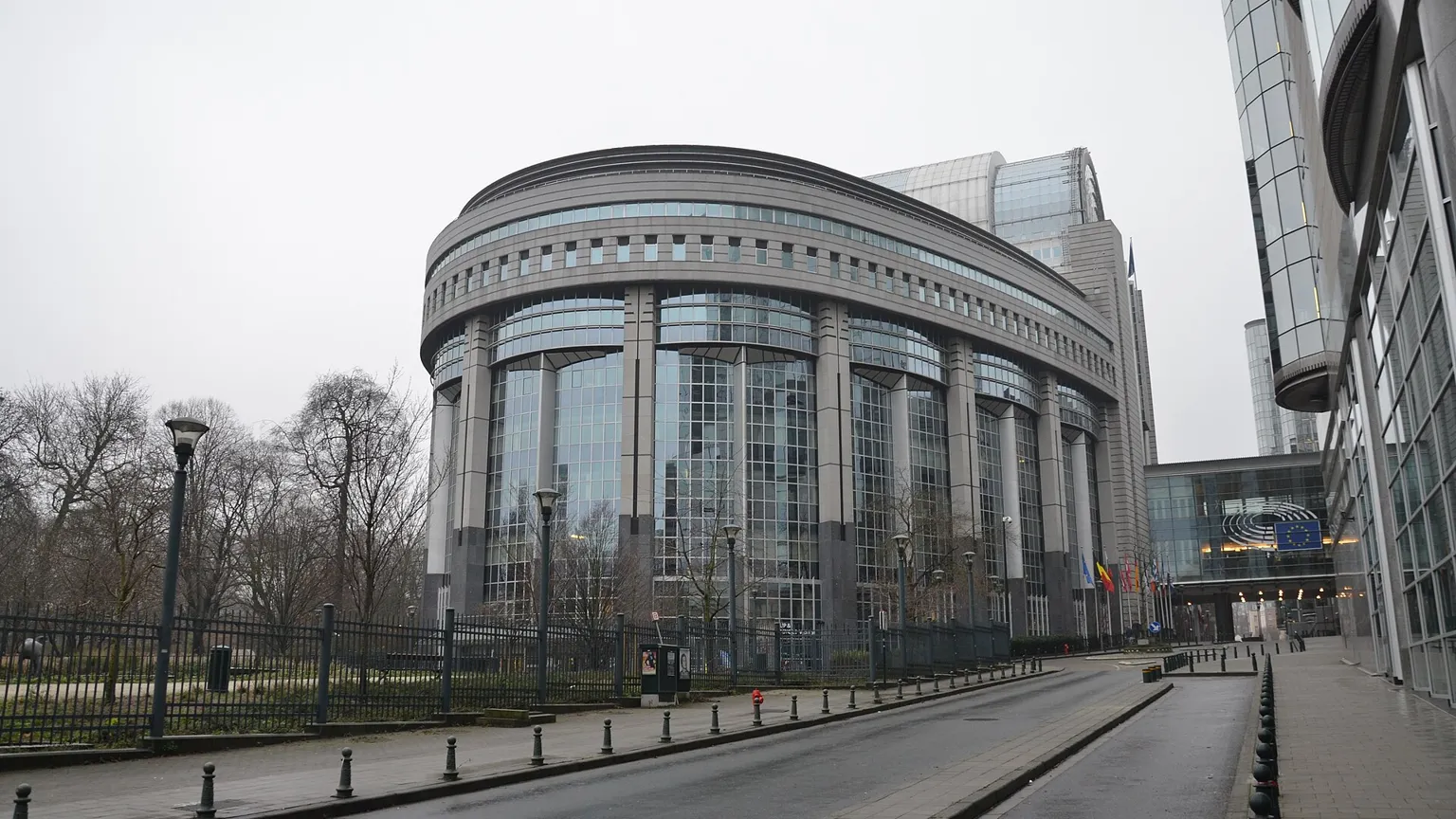
The decree coincides with a week in which European Union leaders are meeting in Brussels. Moscow has previously used temporary-management orders after Western moves against Russian state assets, but the decree itself gives no reason, and we have no official Russian statement linking this order to the summit. The safest reading is that the timing is notable and the motive is unstated.
For European boards, the practical signal is clearer than the political one. Any company still operating in Russia faces the risk that a decree published without notice can remove management control overnight, while leaving the asset on its balance sheet and its employees in place.
What to watch
Three things will show how serious the exposure is: whether the remaining companies confirm loss of control and write down their Russian units; whether any of them challenge the order or seek a negotiated exit; and whether Brussels responds in its summit conclusions. A further amendment to the Decree No. 302 list would show whether this is a one-off or the start of a wider round.