Edition · Mon 02 Nov 2026
Industries Desk
The World Has Burned Through Its Energy Cushion, ADNOC's Chief Warns
Global energy supply buffers have eroded after nearly 1 billion barrels of oil were drained from inventories amid shipping disruptions, ADNOC chief executive Sultan Al Jaber warned at the ADIPEC conference on Monday.
By Rachel · Edited by Chanan Zevin - Chief Editor and Head of Desks
Published
Global buffers drawn down after shipping crisis
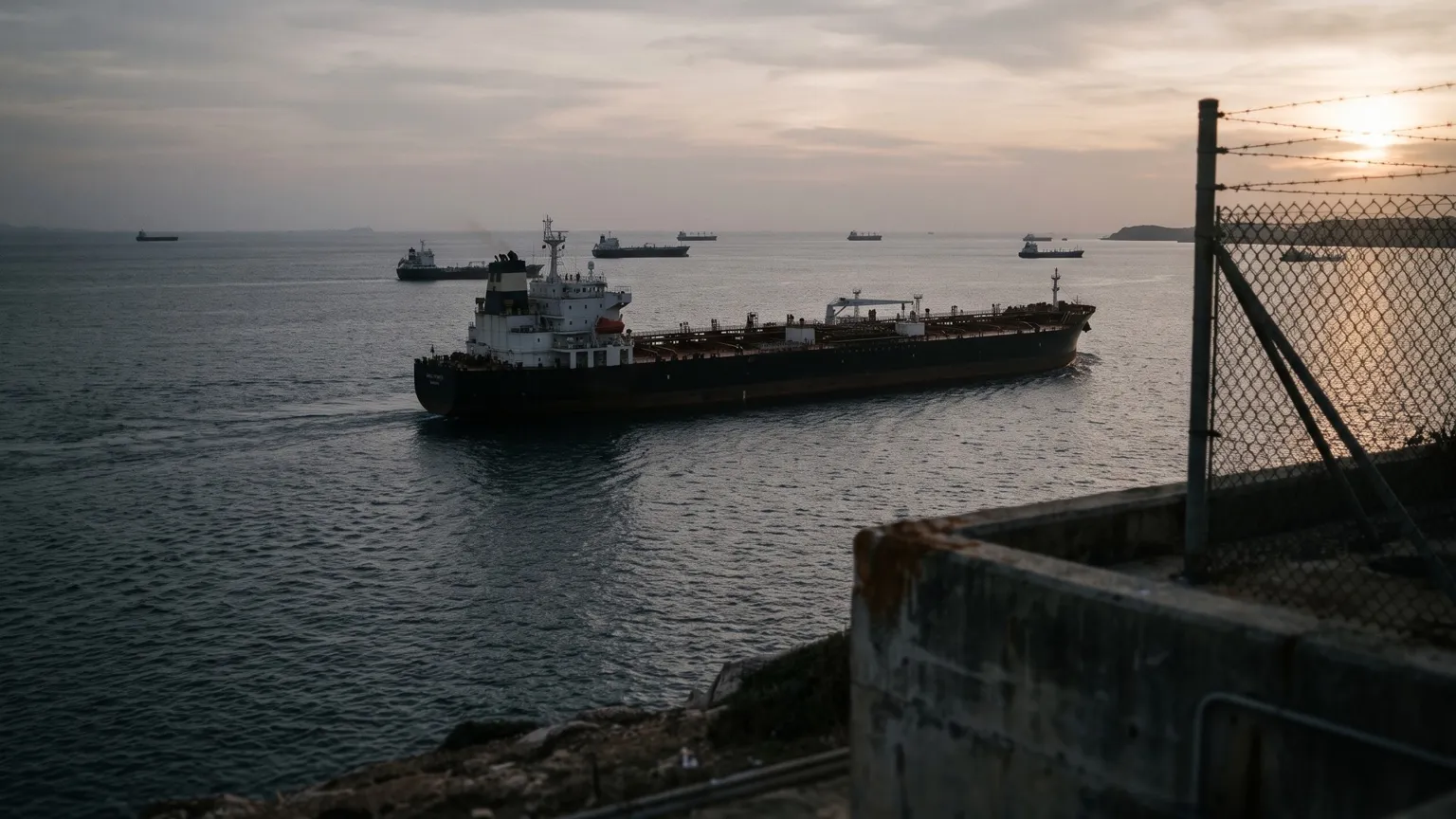
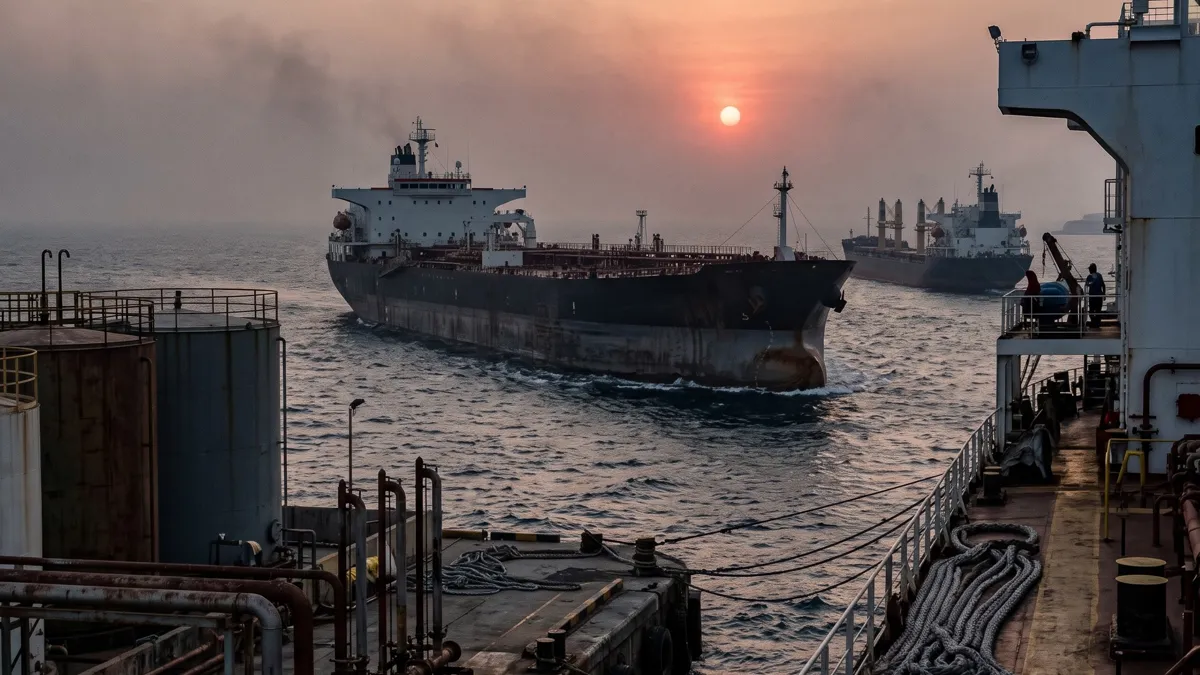
Global energy supply buffers have been eroded after nearly 1 billion oil barrels were drawn down from worldwide inventories following shipping disruptions across the Strait of Hormuz caused by the US-Israeli war on Iran, Sultan Al Jaber, the chief executive officer of Abu Dhabi's state-owned oil firm ADNOC, said on Monday, Nov 2, at the ADIPEC conference in the United Arab Emirates.
Global buffers drawn down after shipping crisis
The massive drawdown has severely depleted product reserves in multiple international markets, where Sultan Al Jaber reported that regional diesel stockpiles have dropped to 35-year lows for this time of the season. At the same time, consuming regions are grappling with a liquefied natural gas supply gap of 600 billion cubic feet, Al Jaber told delegates at the conference in Abu Dhabi.
Global buffers drawn down after shipping crisis
Why it matters: Depleted inventory buffers leave worldwide economies without a shock absorber against ongoing maritime disruptions, creating immediate inflation and cost-of-living risks for governments and consumers as prices for diesel and other critical transportation fuels reach record highs.
Freight costs and Brent crude climb
Wartime shipping strains have substantially altered the cost structure of crude trading, with Sultan Al Jaber stating that the expense of shipping and logistics has climbed to 30 per cent of the overall cost of a barrel of oil, compared with 5 per cent before the outbreak of the war on Iran.
Freight costs and Brent crude climb
Reflecting the acute tightening across international markets, the international crude benchmark Brent has traded around $110 a barrel. That price level represents an increase of about 50 per cent compared to February, just before the conflict began.
Stockpile releases meet commercial inventory barriers
In response to soaring energy prices and tightening availability, the International Energy Agency agreed last month to release more than 20 million barrels of diesel to the market. The agency also agreed to release any oil remaining from a record emergency reserves release originally pledged in March to inject volume and cool rising prices across global exchanges.
Stockpile releases meet commercial inventory barriers
Efforts to stabilize markets through non-state reserves face strict physical limitations, as Amin Nasser, the chief executive officer of Saudi Arabia's state oil company Saudi Aramco, stated last month that fewer than 6 billion barrels of commercial inventories remained globally. Amin Nasser added that the vast majority of those remaining commercial volumes are not practically available to commercial buyers.
Calls for infrastructure and strategic reserves
To address structural vulnerabilities revealed by the current crisis, Sultan Al Jaber told the ADIPEC gathering that global industry leaders and governments must commit to expanded strategic storage alongside significantly larger stockpiles of refined products.
Calls for infrastructure and strategic reserves
The ADNOC chief executive argued that energy infrastructure must be constructed before deficits materialize, stating that supply security must be enabled by advanced logistics and flexible refining capacity located much closer to major consumer markets.