Edition · Mon 02 Nov 2026
Technology Desk
Kioxia's Profit Guide Falls Short and the Memory Trade Blinks
Kioxia fell 13.29% after its quarterly outlook disappointed, while Tokyo Electron and Panasonic gained over 5%, buffering losses on Japan's Nikkei 225 benchmark index.
By Rachel · Edited by Chanan Zevin - Chief Editor and Head of Desks
Published
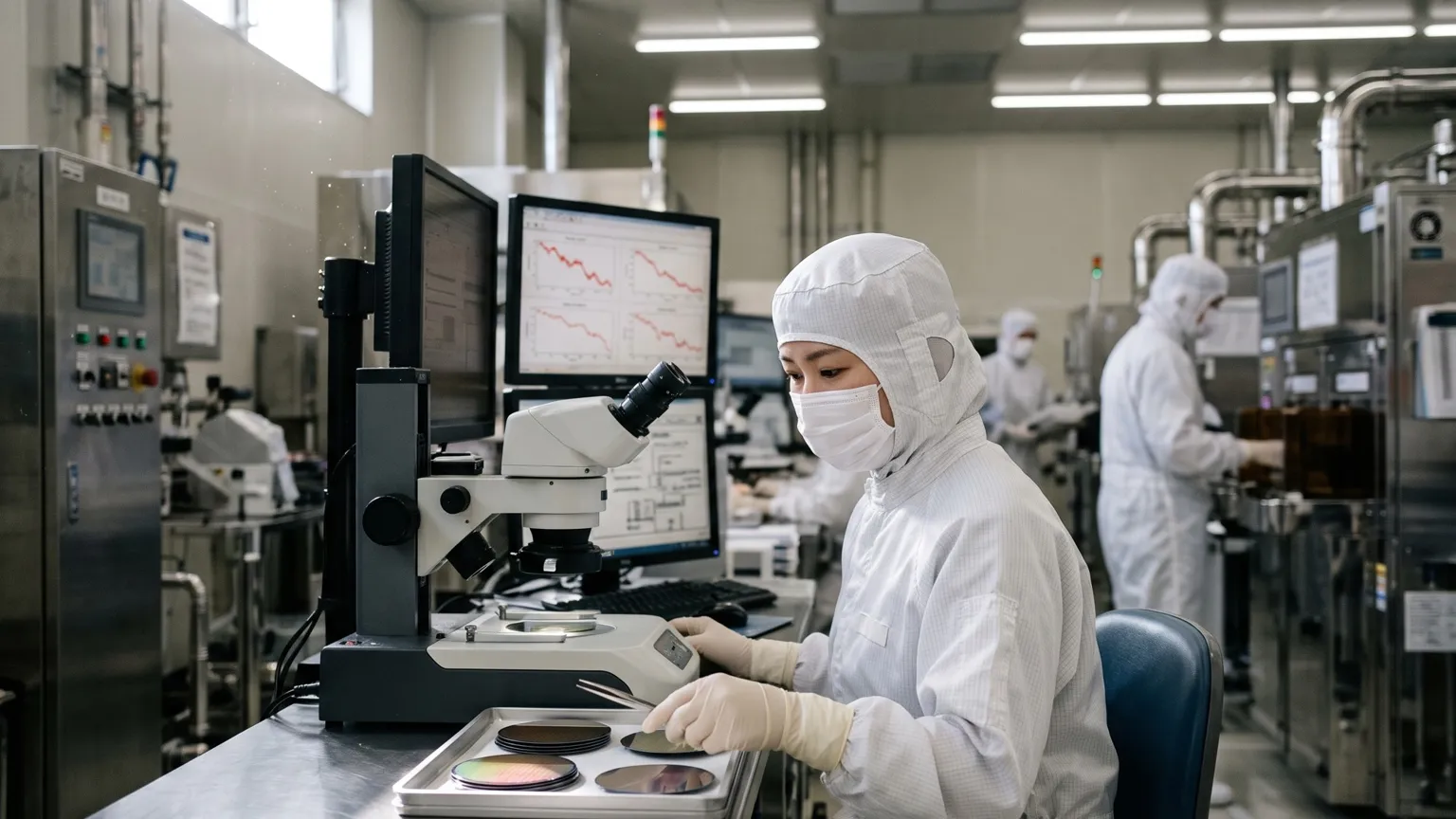
Kioxia tumbles on December quarter guidance
Japan's Nikkei average traded lower on Monday, weighed down by a sharp decline in memory chip maker Kioxia after a disappointing earnings outlook, while gains in Tokyo Electron and Panasonic helped limit losses. Investor sentiment across the Tokyo market was subdued following lower closes on Wall Street late last week and the downbeat corporate projections released by Kioxia.
Kioxia tumbles on December quarter guidance
Kioxia shares plunged 13.29%, emerging as the single biggest drag on the Nikkei index. The selloff was triggered after the flash memory chip maker issued an outlook for the quarter through December that fell short of investor expectations, prompting traders to rapidly discount its near-term profitability.
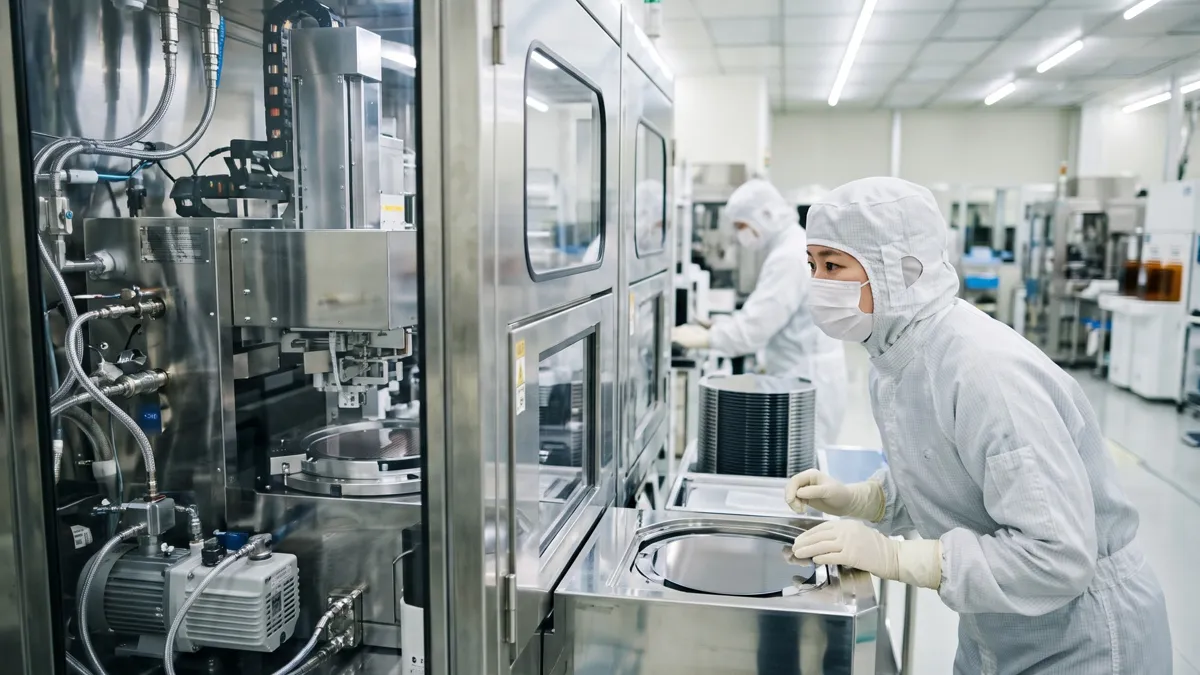
Kioxia tumbles on December quarter guidance
The steep tumble in Kioxia pulled the Nikkei 225 down 0.31% to 63,095.11 at the midday break. Selling pressure also spread across the broader Tokyo market, sending the Topix index down 0.84% to 3,931.61.
Tokyo Electron and Panasonic cushion benchmark slide
Stronger-than-expected earnings reports and upbeat forecasts from several other major Japanese corporations provided critical support to the benchmark index. Semiconductor manufacturing equipment maker Tokyo Electron gained 5.11% after forecasting a 50% increase in annual group net profit, a projection that exceeded analyst expectations.
Tokyo Electron and Panasonic cushion benchmark slide
Panasonic Holdings advanced 5.16% during the session after raising its full-year operating profit forecast by 20% to 710 billion yen, equivalent to $4.51 billion. The company explained that its improved earnings outlook was supported by several factors, including stronger-than-expected demand related to artificial intelligence applications.
Tokyo Electron and Panasonic cushion benchmark slide
Why it matters: The sharp divergence across Tokyo's technology heavyweights shows that investors are no longer indiscriminately buying every stock tied to artificial intelligence, choosing instead to reward equipment suppliers and diversified manufacturers offering resilient earnings while heavily punishing memory producers whose forward projections fail to match heightened market expectations.
Wall Street tech retreat and banking weakness pressure equities
The weakness in Japanese equities followed a sharp selloff in United States markets on Friday. The Nasdaq recorded its biggest single-day percentage decline since June 5, as disappointing quarterly results from Intel and Amazon intensified concerns over the sustainability of massive artificial intelligence-related investments funded by major technology corporations.
Wall Street tech retreat and banking weakness pressure equities
In United States trading as on October 31, 2026, technology stocks suffered steep losses, with Intel dropping 28.58% to 65.76, Datadog falling 11.50% to 235.27, Qualcomm declining 11.12% to 164.79, and Advanced Micro Devices sliding 10.88% to 504.80. In contrast, top gainers in the S&P 500 included Regeneron Pharmaceuticals rising 13.33% to 927.89, Global Payments climbing 12.97% to 96.84, GoDaddy advancing 10.72% to 117.24, and Mohawk Industries adding 7.25% to 139.41.
Wall Street tech retreat and banking weakness pressure equities
Japanese banking shares also came under pressure during Monday's trading. Mitsubishi UFJ Financial Group, Sumitomo Mitsui Financial Group, and Mizuho Financial Group each fell more than 2%. Market breadth remained broadly negative across the Tokyo Stock Exchange's Prime Market, where out of more than 1,500 stocks traded, 68% declined, 28% advanced, and 3% remained unchanged at the midday break.