Monday Edition · Mon 19 Oct 2026
Qatar Warns the Energy Shock From the Iran War Has Yet to Peak as Lavrov Travels to Tehran
Qatar's deputy prime minister told a security forum in Doha on Monday that the energy repercussions of the war have not peaked and rejected any transit fees in the Strait of Hormuz. Russia's foreign minister headed to Tehran after Gulf states urged Moscow to press Iran to stop its attacks, as Washington and Tehran traded threats over the weekend.
Chanan Zevin - Chief Editor and Head of Desks
Published
Qatar's warning
Qatar's Deputy Prime Minister Sheikh Saoud bin Abdulrahman Al Thani said on Monday, 19 October, that the global energy shock from the war involving Iran has yet to reach its peak, Al Jazeera reported. "We haven't reached the peak with respect to energy," he told the Global Security Forum in Doha, warning of further repercussions "in the coming days and months". Al Thani, who also serves as Minister of State for Defence Affairs, listed risks to sovereignty and disruption to energy supplies among the threats facing Qatar and the wider Gulf.
The background to the war
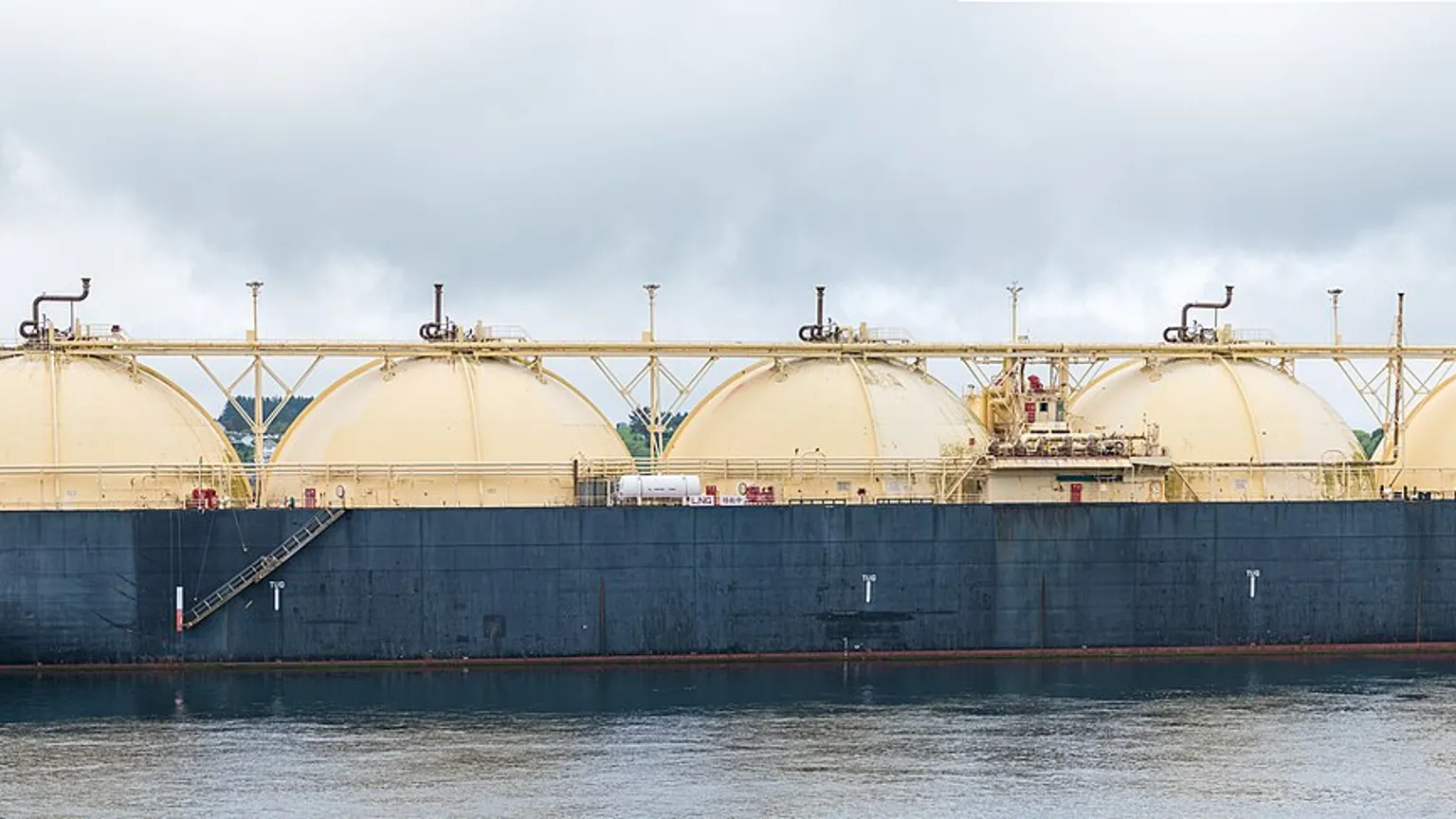
The conflict began with US and Israeli attacks on Iran on 28 February, followed by Iranian retaliatory strikes across the region, according to Al Jazeera. Iranian strikes on Qatar's Ras Laffan industrial complex in March damaged facilities, with repairs expected to take several years. Ras Laffan is the hub of Qatar's liquefied natural gas exports, so the damage has reduced supply to a global gas market that was already tight.
No tolls in Hormuz
Al Thani rejected any move to charge ships for passing through the Strait of Hormuz. "Transit fees should not be applied," he said, adding that uncertainty over the waterway would ultimately affect consumers worldwide. The strait carried about one-fifth of global oil and LNG supplies before the conflict, according to The National. Any toll would raise the cost of energy for importers in Asia and Europe.
Talking to Tehran
Despite the attacks on its territory, Qatar has kept channels open to Iran. "We never stop our communication," Al Thani said, according to Al Jazeera. He described the relationship before the attacks as one of trust, pointing to the offshore gas field the two countries share. He said he hoped mediation by Qatar, Pakistan and Oman would produce an agreement between the United States, Iran and other parties including Israel. "Iran is our neighbour. We need to find ways to live with them," he said.
A new defence partnership
Al Thani also announced plans for a new regional defence partnership. "I'm happy to announce today also that soon we're going to announce a new partnership," he said, without naming the partners, Al Jazeera reported. He said Qatar was prioritising air defence, counter-drone measures and cybersecurity. He credited Qatar's long defence relationship with the United States for preventing "more than 90 percent" of attacks, and said Qatar was continuing to develop Al Udeid air base, which hosts US forces.
Lavrov heads to Tehran
Russian Foreign Minister Sergey Lavrov travelled to Tehran on Monday, The National reported. The visit followed a meeting in Manama on Sunday at which Gulf Cooperation Council foreign ministers urged Russia to play an active role in securing Iranian compliance with UN resolutions and ending attacks on Gulf states. The headline brief for this edition described the trip as Lavrov's first visit to Tehran since the war began. The Journal has not independently confirmed that, so it is reported here as the brief's characterisation.
Russia's proposal
In Manama, Lavrov presented an updated Russian plan for collective security in the Gulf, The National reported. The plan envisages direct dialogue among coastal states and neighbouring countries, including Iraq and Jordan. "We all believe that it is important for all the Gulf states to have their own word in how to resolve this strategic crisis," Lavrov said. "We focus on removing core reasons for conflict." Russia is a permanent member of the UN Security Council, which gives Moscow leverage over any resolution concerning Iran.
The scale of attacks on the Gulf
GCC Secretary General Jasem Al Budaiwi said member states had faced more than 7,000 ballistic missile and drone attacks since 28 February, The National reported. He said strikes had hit airports, ports, power stations, desalination plants and oil and gas terminals. The bloc warned that disruption in the Strait of Hormuz, alongside threats to shipping in the Red Sea and the Bab al-Mandab strait, endangered global energy and food security. It called for traffic through Hormuz to return to its pre-war status.
Weekend threats from Washington and Tehran
Rhetoric hardened over the weekend. President Donald Trump warned that Washington could "soon finish the job" unless Tehran rapidly changes its behaviour, The National reported. Iranian Foreign Minister Abbas Araghchi replied on X: "Last time you wanted to 'finish the job', Iran emerged even stronger. Want to try your luck again? Be our guest." Israeli Prime Minister Benjamin Netanyahu vowed in a pre-election security briefing to topple the Iranian regime, The Times of Israel reported.
Iranian warnings on energy targets
Iranian officials also threatened energy infrastructure. Iran's new defence minister, Mehrdad Ketabchi, warned on Sunday that the country was ready to respond to any US attack, according to The National. On Monday, Brigadier General Mohammad Reza Naqdi, a senior adviser to the commander of the Islamic Revolutionary Guard Corps, said Iran had missiles ready to strike its enemies' energy infrastructure and investments across the region if attacked. Those warnings bear directly on the energy outlook Qatar described.
A tanker hits a mine
On Monday, the Revolutionary Guard said an oil tanker struck a naval mine and caught fire in the Strait of Hormuz, The National reported. The claim could not be independently verified. The Guard said the crew had switched off positioning systems and was trying to leave through an "unauthorised" southern route. It offered no evidence of a mine. It is unclear whether the incident is linked to a US-backed shipping route along Oman's coast, which Tehran may want to discourage.
The effect on oil prices
Oil markets have reflected the tension. Brent crude touched $110 a barrel on Friday for the first time since May as Iran escalated attacks in the strait, Yahoo Finance reported. On Monday Brent fell about 1.3% to around $108.5, Reuters said, after President Trump waived some sanctions on Russia. Reuters noted that the cost of shipping and insurance was keeping prices for physical delivery much higher than futures. That gap is one channel through which Qatar's warning applies.
Why gas matters most for Qatar
For Qatar, the energy shock is primarily about gas. Damage at Ras Laffan and restrictions on passage through Hormuz both limit LNG exports. Buyers in Asia and Europe that relied on Qatari cargoes have had to compete for other supplies, pushing up prices. Al Thani's warning that the peak is still ahead suggests that Qatar does not expect its export capacity or shipping conditions to normalise soon.
A threat to data centres and cables
The conflict has also extended to digital infrastructure. Iran's parliament speaker, Mohammad Bagher Ghalibaf, announced plans on X for a "Gulf Data Authority" and warned that companies providing finance, land or energy to AI and data firms he accuses of supporting US and Israeli military operations would face Iranian enforcement measures, The National reported. Iran's security chief Mohsen Rezaei separately warned that regional undersea cables, data centres and AI facilities could be targeted if hostilities resume.
The diplomatic calendar
Several diplomatic tracks are running at once. Qatar, Pakistan and Oman are mediating between Washington and Tehran. Russia is offering its own security framework. The GCC is pressing for Iranian compliance with UN resolutions. Israel holds a general election on 27 October, and the United States holds midterm elections in November. Analysts quoted by The Times of Israel warned that escalation could come even before those elections without a diplomatic settlement.
What Qatar wants
Al Thani's comments outline Qatar's priorities. It wants dialogue with Iran, no tolls in Hormuz, stronger air and drone defences, and a broader regional settlement involving the GCC, Pakistan and Turkey, in consultation with international allies. He suggested economic ties with Iran could help prevent future conflict, citing cooperation between France and Germany after decades of hostility. "We need to build this on trust," he said.
What to watch
Three developments will shape the energy outlook. The first is the outcome of Lavrov's talks in Tehran and whether Russia uses its UN position to press Iran. The second is whether the US and Iran move towards talks or towards renewed strikes. The third is shipping in Hormuz, including insurance costs and any repeat of mine incidents. Each will determine whether Qatar's warning that the worst is still ahead proves accurate for energy importers.
Journalistic Scoop
Iran is now naming data-centre financiers as potential targets. Lost in the weekend's military rhetoric was a new kind of threat. Iran's parliament speaker announced plans for a "Gulf Data Authority" and warned that companies providing finance, land or energy to AI and data firms would face Iranian enforcement measures, according to The National. This follows a warning by security chief Mohsen Rezaei that undersea cables, data centres and AI facilities in the region could be targeted.
The Gulf has been marketing itself as a hub for AI data centres, backed by cheap energy and sovereign wealth. Iran's statements extend the risk from tankers and terminals to that digital buildout, and to the banks and landowners behind it. The proposal's operation was not explained, but the warning alone could raise insurance costs and slow investment decisions in the region's data-centre projects.
Sources: The National · Al Jazeera
Sources
- Al Jazeera, Qatar warns global energy shockwaves from Iran war have yet to peak, 19 Oct 2026 · aljazeera.com
- The National, Russia's Lavrov heads to Tehran as Gulf states press Moscow over Iran attacks, 19 Oct 2026 · thenationalnews.com
- The National, GCC urges Russia to press Iran to halt attacks as Lavrov proposes Gulf security framework, 19 Oct 2026 · thenationalnews.com
- Reuters via Investing.com, S&P 500, Nasdaq futures rise, 19 Oct 2026 · investing.com
Related
- Europe Weighs Holding the Line on Russia Alone After Washington's Diesel Waiver and Wider Sanctions Pause
- Eight Days Before Israel's General Election, Polls Show Netanyahu's Bloc Slipping and Neither Side Near a Majority
- France Counts 550,000 Marchers and Nearly 2,400 Arrests as the Budget Faces Its First Vote on Tuesday