Monday Edition · Mon 19 Oct 2026
France Counts 550,000 Marchers and Nearly 2,400 Arrests as the Budget Faces Its First Vote on Tuesday
Saturday's cost-of-living protests drew about 550,000 people, far more than authorities had projected, and ended in the worst unrest France has seen in years. Prime Minister Sébastien Lecornu's minority government now asks the National Assembly to back the first part of a 2027 budget built on €54 billion of savings.
Not investment advice: this article is for information only.
Chanan Zevin - Chief Editor and Head of Desks
Published
Turnout far above the projection
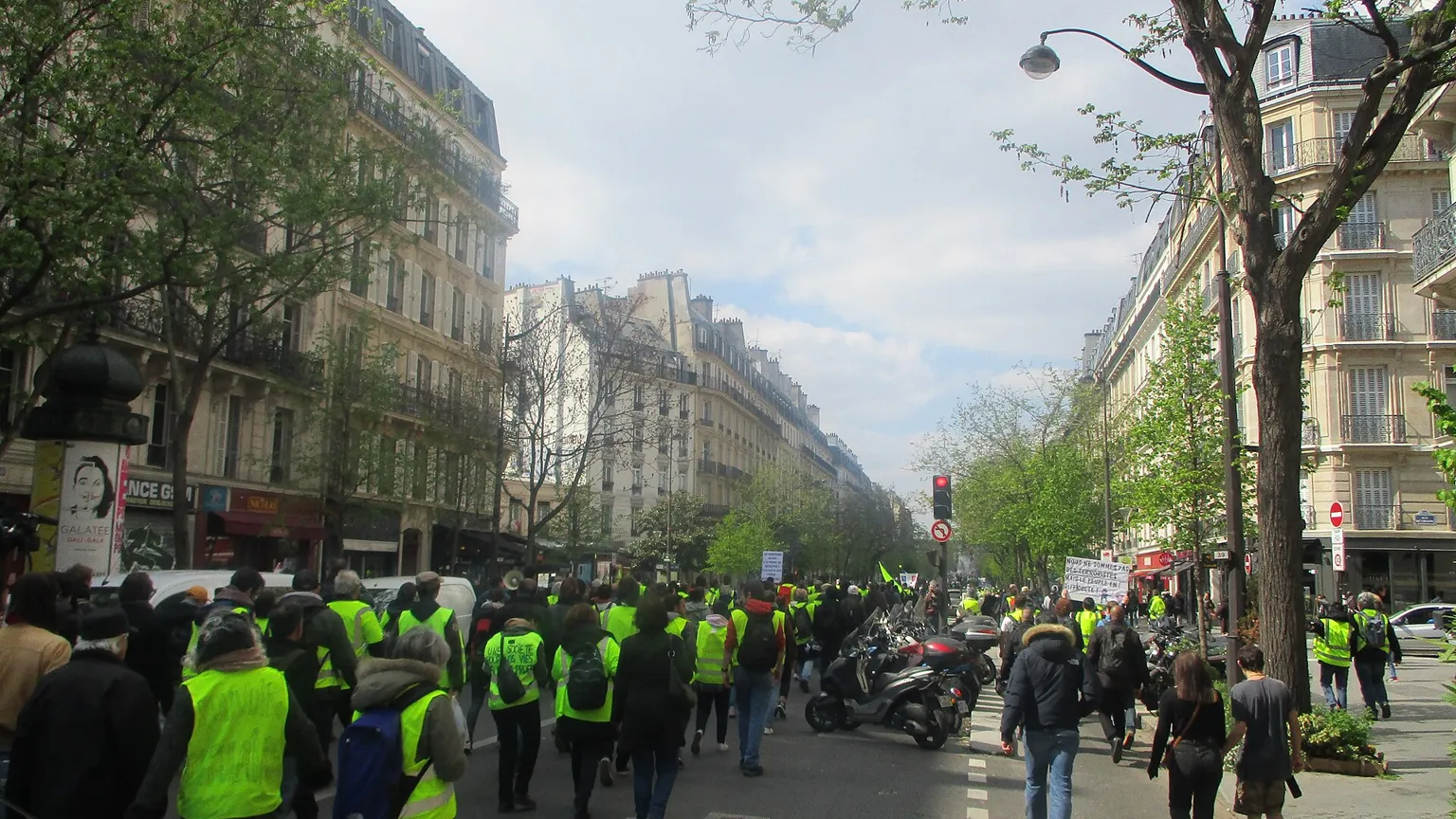
About 550,000 people marched across France on Saturday, 17 October, including 110,000 in Paris, according to the Interior Ministry, as reported by CNBC and Deutsche Welle. Before the marches began, a police source had told AFP that authorities expected nearly 200,000 people nationwide. The official count was therefore more than two and a half times the projection. Organisers gave a higher estimate of about 800,000. The gap between official and organiser figures is common in France, and this article uses the ministry count as the reference figure. Chart 1 compares the projection with the official count.
Arrests and injuries rose through the weekend
The tally of arrests climbed as reports came in. On Saturday evening Prime Minister Sébastien Lecornu said 1,200 people had been arrested and 150 police officers injured, Al Jazeera and the BBC reported. By Sunday the Interior Ministry put arrests at almost 2,400 and said nearly 1,000 police officers and gendarmes had been injured, CNBC reported. The later ministry figures replace the earlier ones. The higher injury number covers police and gendarmes across the whole country and the full day of unrest.
Looting, arson and a burned town hall
Most marchers protested peacefully, but violent groups attacked shops and public buildings in several cities. In Limoges, a fire left the 19th-century town hall largely destroyed after its roof collapsed, according to reporting cited by CNBC and Tempo. Mayor Guillaume Guérin told Reuters the attack appeared deliberate and that people inside the building had feared for their lives. The Haute-Vienne prefect described it as a deliberate act of destruction. Shops were looted and buildings covered in graffiti in other cities, the Interior Ministry said.
A review of police preparedness
The scale of the disorder raised immediate questions about policing. President Emmanuel Macron ordered a review of whether there had been failings in intelligence gathering or police preparedness, CNBC reported. PBS reported that Macron held an emergency meeting with senior government officials after Saturday's violence. He instructed prefects to coordinate with mayors to strengthen protection for public institutions and businesses in the coming weeks. The review's findings have not been published, and no timetable for them has been announced.
Macron's response on Sunday
In a televised address on Sunday, Macron condemned the destruction and expressed anger and shame over the violence, according to Tempo, citing CNBC. He pledged an uncompromising response against those responsible for looting and attacking public institutions. He stopped short of declaring a state of emergency or imposing a curfew. Instead, he said prefects and mayors would be given powers to prohibit certain gatherings when necessary to protect public buildings and businesses. He also asked the government to bring together students, teachers, lawmakers, unions and business leaders this week to produce "concrete proposals".
Who blamed whom
French officials have blamed much of the violence on radical far-left activists and criminal groups. Macron described the perpetrators as insurrectionist elements from radical far-left groups joined by criminals, according to Tempo. That is the government's assessment and does not establish the political affiliation of everyone arrested. Marine Le Pen, the far-right frontrunner for next year's presidential election, said the president was "running on fumes", The Times of Israel reported, citing AFP. US President Donald Trump said France was "burning" because of immigration.
Where the protests came from
The weekend's marches grew out of a month-long student movement. High-school and university students have protested since mid-September over teacher shortages and poor school conditions, Al Jazeera reported. Unions, farmers, firefighters and a revived Yellow Vest movement joined the call on Saturday. Deutsche Welle said the demonstrations brought together grievances over fuel prices, low wages and problems facing farmers and firefighters. The common thread was the cost of living, combined with frustration at declining public services.
The budget at the centre of the dispute
The unrest comes as Lecornu's minority government seeks €54 billion of fiscal savings in its 2027 budget, CNBC reported. The government's budget documents describe €43 billion of new measures in the finance and social-security bills, and a total effort of €54 billion once the full-year effect of measures taken in 2026 is included. The draft targets a public deficit of 5.0% of GDP in 2027. The National Assembly is due to hold a formal vote on the first part of the bill, which covers revenue, on Tuesday, 20 October.
A debt load that keeps growing
The fiscal pressure behind the budget is considerable. France's public debt reached a record €3.6 trillion in the second quarter, equal to 119% of gross domestic product, CNBC reported. The cost of servicing that debt is rising as interest rates climb worldwide. That leaves the government with a narrow choice between spending cuts or tax rises that anger voters, and a slower path to deficit reduction that could unsettle bond investors. The weekend's protests made the political cost of the first option visible.
Why Tuesday's vote is fragile
Lecornu does not command a majority in the National Assembly. A minority government must assemble votes from other parties for each part of the budget, or use constitutional tools that allow adoption without a vote but expose it to a motion of no confidence. Previous French governments have fallen over budget disputes. A defeat on the revenue section on Tuesday would not automatically bring down the government, but it would force a rewrite and weaken its hand in negotiations over the spending section.
What protesters are asking for
The demands are broad rather than a single policy list. Protesters want greater protection from inflation and more spending on public services, particularly schools, AFP reported before the marches. Students want more teachers and better buildings. Unions want wage increases. Some of these demands point in the opposite direction from the savings plan, which is why the government's invitation to talks this week will be closely watched. A concession on school spending could ease the student movement but would have to be paid for elsewhere.
Markets noticed the weekend
Financial markets registered the unrest on Monday morning. Euro Stoxx 50 futures were down 0.3% following the weekend protests in France, the broker XTB said in a morning note. The move was small, and other factors also weighed on European shares. A sustained rise in the spread between French and German government bond yields would be a clearer sign that investors are pricing political risk around the budget.
The wider European pattern
France was not the only country to see protests over living costs this weekend. Rioters looted stores in Milan during a cost-of-living protest, The Times of Israel reported, citing agency copy. The common pressures include high energy prices linked to the conflict in the Gulf, rising borrowing costs for governments and pressure to fund defence. Each country's politics is different, but the combination of tight budgets and higher prices is shared across much of Europe.
Correction to Saturday's edition
The Journal's Saturday edition reported the budget's savings as €43 billion. That figure covers only the new measures in the finance and social-security bills. The total savings effort sought by the government is €54 billion, as reported here, and the Saturday article has been corrected with a note. The Saturday edition also reported the authorities' projection of nearly 200,000 marchers. The official turnout of about 550,000 was more than double that projection, and the earlier article now carries an update.
What the government has offered so far
The government has not yet announced any change to its budget in response to the protests. Macron's call for talks with students, teachers, lawmakers, unions and business leaders is the only formal response so far, according to CNBC. Lecornu has defended the need for savings to bring the deficit down. Any concession made before Tuesday's vote would have to be found within the same overall envelope, or the deficit target would slip. That trade-off is what makes the coming days difficult for a government without a majority.
What to watch this week
Three moments will shape the next phase. The first is Tuesday's Assembly vote on the revenue section of the budget. The second is the meeting of students, teachers, unions and business leaders that Macron asked the government to convene. The third is whether unions call new national strike days. If the vote passes narrowly and talks begin, the government may regain some room. If it fails, the budget timetable and the government's survival both come into question.
Journalistic Scoop
Macron's quiet new tool is a power to ban gatherings, not a state of emergency. The headline from Sunday was that Macron avoided a state of emergency and a curfew. Less noticed is what he chose instead: prefects and mayors will be given powers to prohibit certain gatherings when necessary to protect public buildings and businesses, according to reporting cited by Tempo and CNBC. That is a targeted, local instrument that can be used march by march, without the national political cost of emergency rule.
The choice matters for the coming weeks. If unions call new national days of action while the budget is debated, the first test of the policy will be whether local bans are used on peaceful marches or only around specific sites. The way prefects apply the power will show whether the government is trying to contain violence or to limit protest itself.
Sources
- CNBC, France hit by worst unrest in years as Macron condemns violence, 19 Oct 2026 · cnbc.com
- Deutsche Welle, France reports almost 2,400 arrests after riots, looting and arson, 18-19 Oct 2026 · dw.com
- BBC News, France protests: Violent clashes, looting and buildings ablaze, 17-18 Oct 2026 · bbc.com
- Al Jazeera, Why have France's school protests become a wider political crisis?, 18 Oct 2026 · aljazeera.com
- Tempo, France Faces Worst Unrest in Years as Budget Dispute Fuels Public Anger, 19 Oct 2026 · en.tempo.co