Edition · Mon 02 Nov 2026
Economics Desk
China's Factories Keep Growing, but Foreign Orders Lose Steam
China's factory gauge eased to 52.0 in October from 52.1 in September, staying in expansion territory even as regional manufacturing momentum slowed amid elevated energy prices.
Not investment advice: this article is for information only.
By Rachel · Edited by Chanan Zevin - Chief Editor and Head of Desks
Published
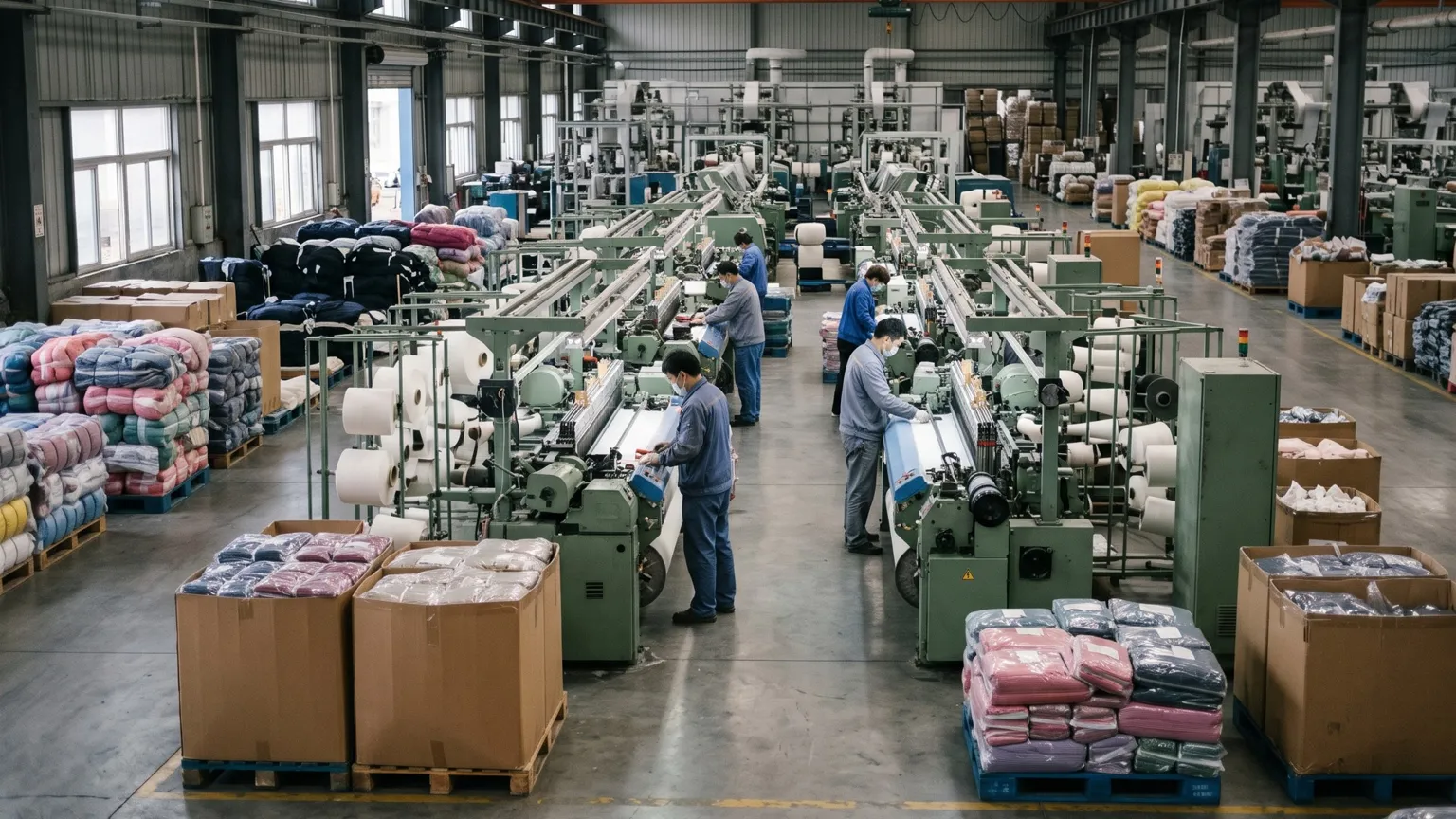
RatingDog index records factory moderation
China's manufacturing activity cooled slightly in October as private survey data compiled by S&P Global showed the RatingDog China General Manufacturing Purchasing Managers' Index slipped to 52.0 from 52.1 in September, on Monday, Nov 2. Although the reading remained above the 50-mark that divides expansion from contraction, the outcome pointed to easing momentum across the broader industrial base.
RatingDog index records factory moderation
Official survey metrics released on Saturday similarly underscored headwinds, showing that factory activity across China shrank in October to record its third contraction across four months, according to government data.
RatingDog index records factory moderation
Nguyen Hoang Nam, a China economist at Capital Economics, noted that the survey indicators suggest the nation's economic activity lost steam in October following a temporary pick-up in September. While manufacturing activity softened slightly and foreign demand held steady, Capital Economics highlighted that a sharp reversal in construction activity and forward-looking expectations indicated businesses had lost confidence that state fiscal support would deliver a significant lift over the remainder of the year.
Technology centers mirror cooling momentum
The deceleration extended beyond China into neighboring manufacturing powerhouses that depend heavily on technology hardware, S&P Global surveys revealed. Japan's purchasing managers' index fell to 53.3 in October from 54.1 in September, marking its slowest rate of expansion in seven months as factory output and incoming orders softened, according to S&P Global.
Technology centers mirror cooling momentum
South Korea registered a comparable downshift, with its manufacturing index dropping to 51.3 in October from 53.9 in September, according to S&P Global survey results. The data signaled the slowest pace of factory growth in eight months for the country, driven by weaker output volumes and slackening client orders.
Technology centers mirror cooling momentum
In Taiwan, the manufacturing purchasing managers' index fell to 54.9 in October from 56.7 in September, S&P Global reported. In contrast, factory performance in Southeast Asian manufacturing centers picked up pace in October compared with the preceding month, with faster expansion recorded across Vietnam, Indonesia and Malaysia.
Elevated energy costs squeeze manufacturing margins
The cooling pace of growth across regional manufacturing hubs matters for policymakers and investors because persistent inflationary pressures from Middle East turmoil threaten to erode consumption while squeezing business margins. As private surveys showed, the ongoing war involving the United States, Israel and Iran has driven fuel and food costs higher, testing how long industrial momentum can withstand climbing expenses if technology demand moderates.
Elevated energy costs squeeze manufacturing margins
Toru Nishihama, chief emerging market economist at Dai-ichi Life Research Institute in Tokyo, stated that vigorous appetite for semiconductors and artificial intelligence hardware had previously masked broader underlying weaknesses in Asian and international economies. With the Middle East conflict continuing to push up everyday food and energy prices, Mr Nishihama warned that elevated inflation is directly constraining regional spending while intensified pricing pressure from Chinese factories weighs on competitor nations such as Japan and South Korea.
Elevated energy costs squeeze manufacturing margins
In India, manufacturing expansion softened in October as domestic purchases subsided and company hiring slowed down, though a surge in incoming foreign orders helped cushion the broader domestic slowdown.
Multilateral lenders trim medium-term growth projections
Weaker factory performance coincided with revised macroeconomic assessments from the International Monetary Fund, which projected regional economic growth to moderate in the coming years. The IMF stated that it expects Asia's economy to expand by 4.8% in 2026 and 4.4% in 2027, slowing down from a 5.0% pace in 2025, even though the latest figures represented an upgrade from forecasts published in April.
Multilateral lenders trim medium-term growth projections
The IMF cautioned that mounting risks stemming from energy market shocks linked to the war in Iran and a potential market correction in artificial intelligence could further derail regional activity. The Bank of Japan echoed these concerns in an assessment, warning that any sharp downgrade in artificial intelligence growth expectations could trigger tighter financial conditions, rapid equity repricing and severe disruptions to domestic production and foreign sales.