Edition · Mon 02 Nov 2026
ClimateTech Desk
A Solar-and-Gas AI Campus in the Outback Hits an Environmental Wall
Energy North scrapped its June 28, 2028 first-power target for Project Ares after the Northern Territory regulator paused review deadlines to assess ten environmental risks.
By Rachel · Edited by Chanan Zevin - Chief Editor and Head of Desks
Published
Regulator halts review clock on Project Ares
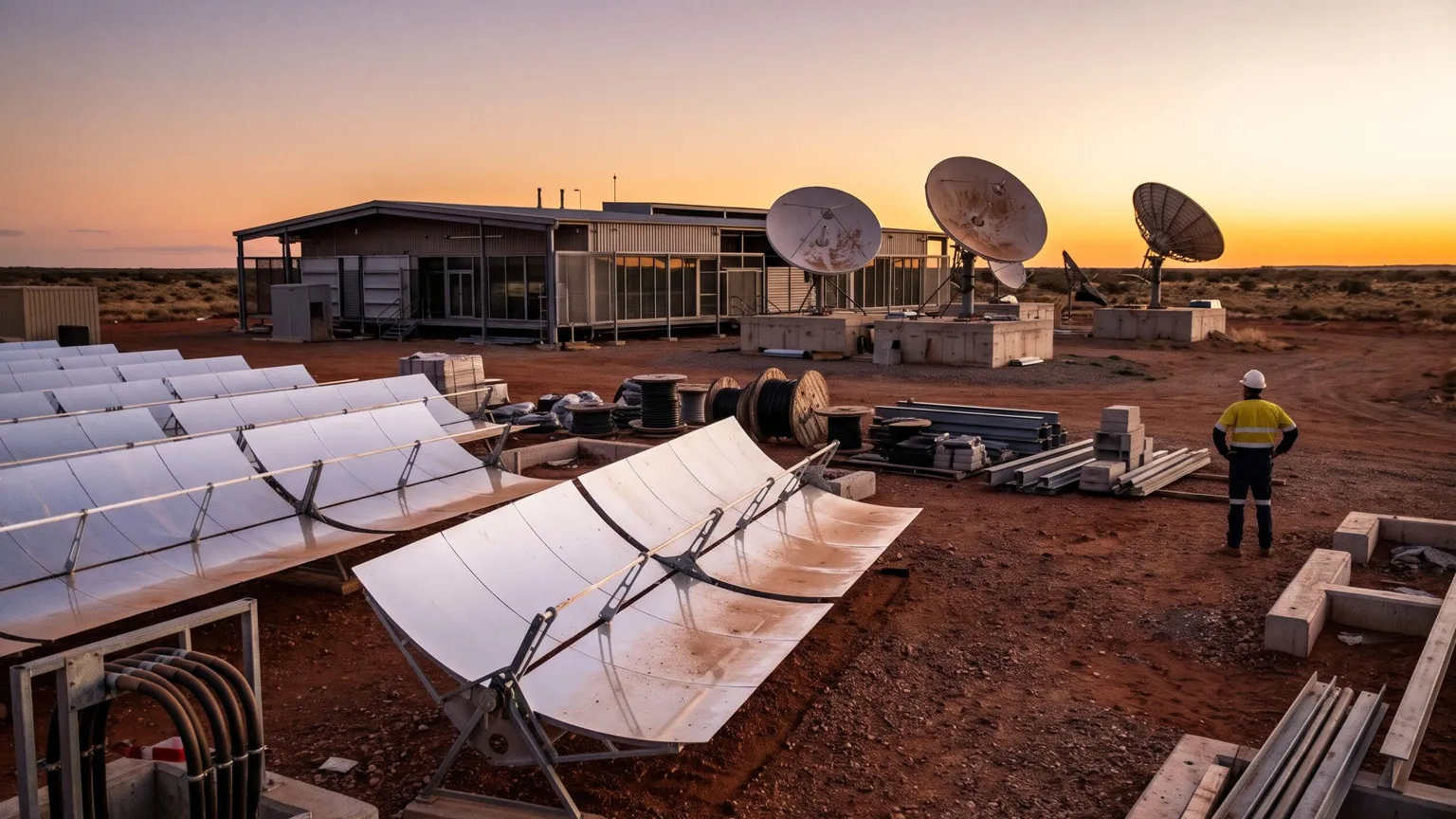
Developer Energy North abandoned its target completion schedule for one of Australia's largest proposed data centres on Nov 2 after regional regulators paused their environmental assessment. The startup had proposed building a self-powered computing facility on a remote Northern Territory cattle station 683 km from the nearest city.

Regulator halts review clock on Project Ares
Energy North submitted filings four months ago specifying a first-power target of June 28, 2028, but the Northern Territory Environment Protection Agency issued an October 7 ruling suspending its standard seven-week assessment deadline. Daniel Hunter, vice president of project development at Energy North, said in an email that the June 2028 date was an indicative schedule at the time of lodgement and that the company was no longer working to it.
Regulator halts review clock on Project Ares
Hunter said that Energy North was unfazed by the pause and would confirm timing after regulators establish terms for an environmental impact statement. The territory regulator said it would seek advice from the federal government, while Hunter declined to identify who is lined up to finance the project.
Regulator halts review clock on Project Ares
The setback matters for technology developers and energy policymakers because off-grid generation models face the same land, water, and community consent barriers that confront grid-connected projects. Constructing independent gas and solar power plants in remote regions does not exempt large computing facilities from strict environmental governance or social license requirements.
Watchdog flags water and heritage impacts
In an official ruling, the Northern Territory Environment Protection Agency warned of 10 potential impacts across the proposed 191 sq km campus, which includes gas turbines, a solar farm, an airstrip, and accommodation for 4,300 construction workers. The regulator stated in the ruling that it held a low level of confidence in the effectiveness of proposed measures to manage significant impacts on local water systems and Aboriginal sacred sites.
Watchdog flags water and heritage impacts
At 1 gigawatt, Project Ares is four times the size of a Melbourne data centre expansion delayed by NextDC due to energy supply concerns and 10 times the size of a Sydney facility cancelled by Goodman amid resident pushback. Urban planner Adam Beck said that antiquated regional planning frameworks were not designed to handle proposals of this scale.
Watchdog flags water and heritage impacts
Consultation requirements remain extensive across the Northern Territory, where Indigenous Australians comprise a quarter of the population. In a submission to an ongoing federal inquiry, Aboriginal group the Northern Land Council stated that genuine consultation requires travel, interpreters, and repeated visits, warning that expediting procedures does not produce prompt consent. Northern Territory Cattlemen's Association chief executive Romy Carey said that cattle producers expect enforced regulation to protect the land and water both sectors rely upon.
Outback fuel needs outstrip local production
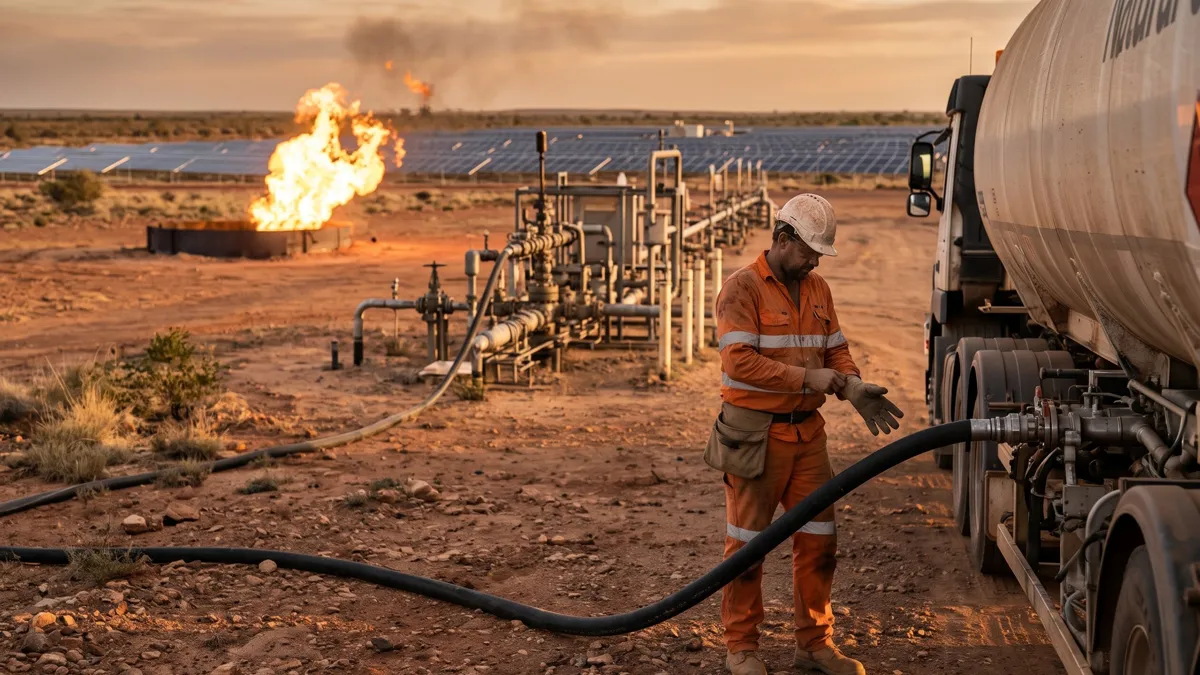
Scaling challenges also face Beetaloo Energy, which proposed a Darwin data centre twice the size of Project Ares requiring up to 400 terajoules of gas per day, based on company estimates of 200 terajoules per gigawatt. That daily gas requirement is 10 times the current volume produced by Tamboran's Shenandoah South project, the Beetaloo Basin's sole producing venture, where Beetaloo Energy aims to begin minor production by year-end.
Outback fuel needs outstrip local production
Together, the two proposed data centres would total 3 gigawatts, roughly 10 times the peak electricity demand of the entire Northern Territory grid. Northern Territory business minister Robyn Cahill said her administration had been talking to 12 data centre-related projects, though details for the remaining 10 proposals have not been disclosed.
Outback fuel needs outstrip local production
The Northern Territory has sought to attract a share of the $7 trillion that consultancy McKinsey forecasts will be invested globally in AI factories by 2030, marketing its 260,000 residents across a territory twice the size of Texas alongside shale gas reserves. Charles Darwin University lecturer Rolf Gerritsen said that although regional officials can override stakeholder objections, opposition groups frequently tie up major proposals when complaints reach the federal courts.