Morning Edition · Fri 9 Oct 2026
Trump Says US Will Not Attack Iran Before Midterms as Hormuz Tanker Attacks Mount
President Trump said Thursday the US will not attack Iran before the November 3 midterms, citing ongoing talks, as attacks on tankers near the Strait of Hormuz rise, according to Bloomberg.
Chanan Zevin - Chief Editor and Head of Desks
Published
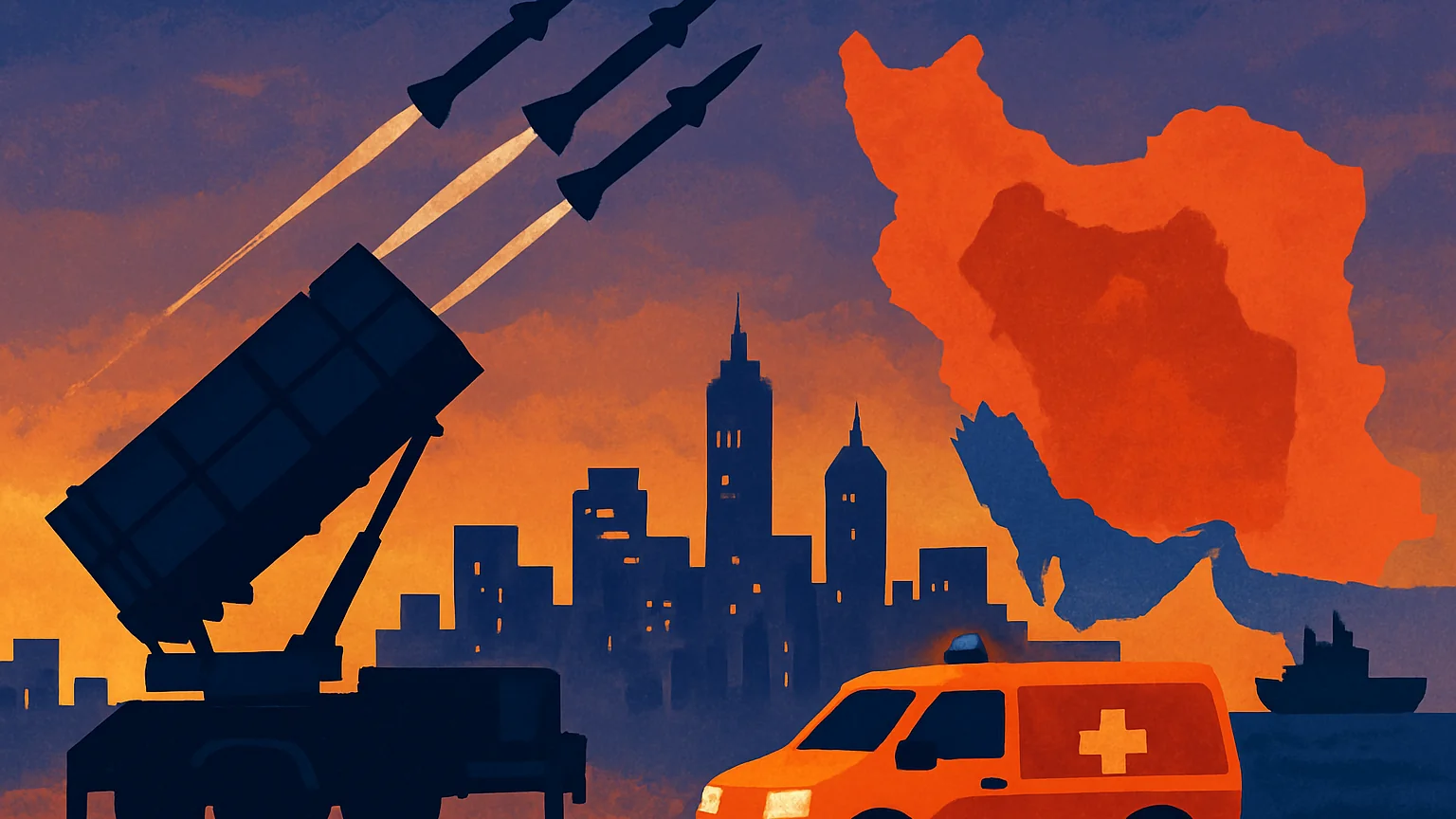
Trump Rules Out Strikes Before November Midterms
President Donald Trump announced Thursday that the United States would not attack Iran before the November 3 midterm elections, according to Bloomberg. Trump made the statement in a social media post, attributing the decision to what he described as 'productive discussions' with the Islamic Republic.
Bloomberg reported that the president’s comments represented a notable intersection of national security and domestic political considerations. The timing of the announcement, just weeks ahead of the midterms, underscores the administration’s emphasis on diplomatic engagement over military escalation.
The decision comes as the administration faces pressure from both domestic political constituencies and international partners to clarify its approach to Iran. By publicly ruling out strikes before the elections, Trump sought to reassure voters and allies that the US would prioritize diplomacy in the immediate term, according to Bloomberg.
Escalating Attacks in the Strait of Hormuz
Despite the US decision to refrain from military action, Iran has escalated attacks on tankers in the Strait of Hormuz, according to Bloomberg. The contested waterway has witnessed a rise in incidents attributed to Iranian forces or their proxies, prompting renewed concern among global energy stakeholders.
Bloomberg further reported that Tehran-backed militants in Yemen have targeted energy facilities in Saudi Arabia, adding to the volatility in the region. These developments have contributed to a heightened sense of insecurity for commercial shipping and energy infrastructure near the Strait.
The increase in attacks has drawn international attention to the vulnerability of the Strait of Hormuz, which is a critical passage for global oil shipments. According to Bloomberg, the mounting incidents have raised alarms among shipping companies and governments reliant on stable energy flows through the region.
US Adjusts Military Posture Amid Regional Tensions
In response to possible Iran-linked threats, President Trump decided to move US bombers from a base in the UK, Bloomberg reported. The relocation reflects the administration’s efforts to mitigate risks to American military assets and personnel in the region, even as it holds back from direct strikes against Iran.
Bloomberg noted that the move is part of a broader recalibration of US military posture, balancing deterrence with the stated aim of avoiding escalation before the midterm elections.
US defense officials, according to Bloomberg, have continued to monitor developments in the region closely, seeking to deter further attacks without provoking a wider conflict. The administration’s approach has emphasized flexibility and readiness, while maintaining a public commitment to diplomatic engagement.
Implications for Energy Markets and Policy
The decision to delay military action, despite mounting attacks in the Strait of Hormuz, carries significant implications for energy markets and US foreign policy. According to Bloomberg, the ongoing tensions have increased market sensitivity to developments in the region, given the Strait’s central role in global oil shipments.
For policymakers and market participants, the administration’s restraint—paired with continued diplomatic engagement—may help stabilize expectations in the near term. However, the persistence of attacks and regional instability continues to pose risks for energy security and international shipping.
Bloomberg reported that energy companies and shipping insurers are closely watching the situation, as any further escalation could disrupt supply chains and drive volatility in global oil prices. The administration’s current posture aims to balance the need for deterrence with the risks of broader conflict, as the midterm elections approach.