Edition · Tue 10 Nov 2026
Politics Desk
The Supreme Court Lets Border Wall Work Continue in Texas's Big Bend
In an unsigned order, the justices paused a lower-court block on construction in and around Big Bend National Park while they consider whether the administration can bypass environmental and historic-preservation rules. Justice Ketanji Brown Jackson noted a dissent but did not explain it.
By Rachel · Edited by Chanan Zevin - Chief Editor and Head of Desks
Published
A pause, not a final ruling
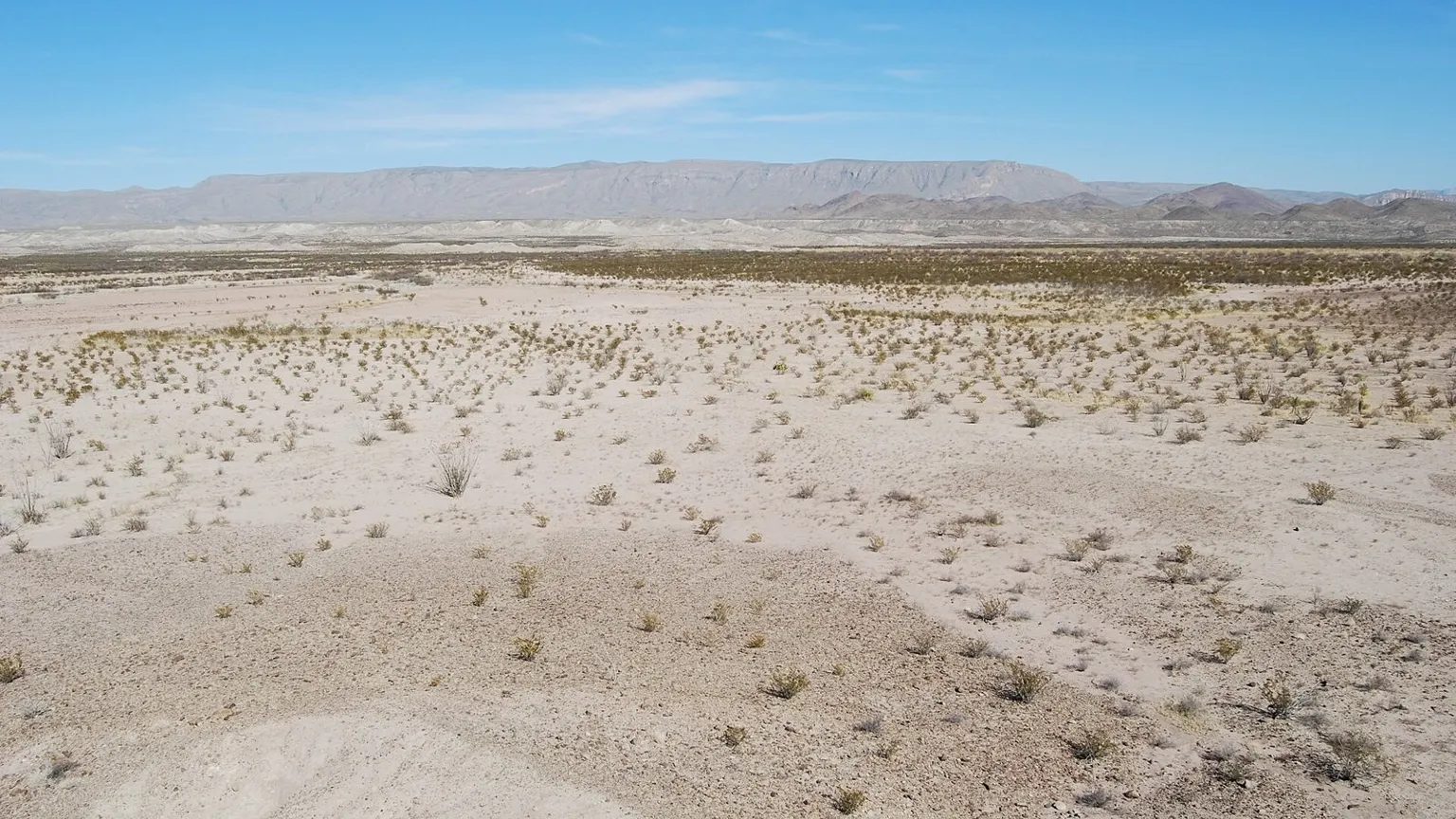
The Supreme Court on Monday allowed the Trump administration to continue building border barriers in the Big Bend region of Texas, including inside Big Bend National Park, while a legal fight proceeds.
A pause, not a final ruling
The order pauses a lower-court ruling that had temporarily stopped the work. The justices have not yet decided the underlying question: whether the administration had the authority to waive environmental and other legal requirements in order to speed construction.
A pause, not a final ruling
The decision came in an unsigned opinion. Justice Ketanji Brown Jackson was the only noted dissenter and did not set out her reasons.
What the government is trying to build
The administration is seeking to accelerate construction of more than 300 miles of barrier and roads in the region. The Department of Homeland Security has relied on a federal law that lets the government "waive all legal requirements" to ensure quick construction in areas of "high illegal entry."
What the government is trying to build
Using that statute, the department bypassed laws that would normally apply to historic preservation, the environment and Native American artifacts.
What the government is trying to build
That, despite its win, the administration signaled it had adjusted construction plans in the national park with the aim of "preserving the unique landscape and public access."
What the challengers argued
The challengers, the court wrote, "claim that construction in the Big Bend Sector will diminish their ability to use and enjoy the area." The majority's unsigned opinion answered that Congress had written the law to reflect "a clear preference for expeditious border construction over the very harms respondents assert."
What the challengers argued
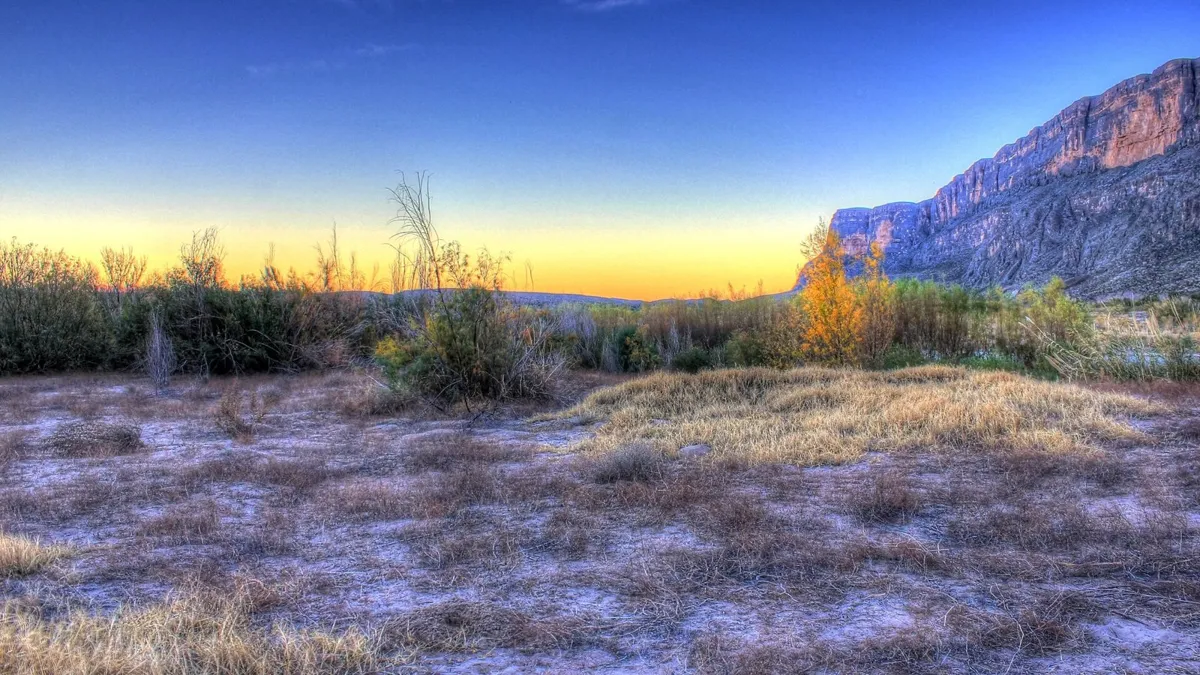
That is a legal conclusion about a statute, not a judgment that the landscape will be unharmed. The park remains a place where those two claims will be tested in steel, roadbed and court filings.
Why the case will not end here
Because the court has only stayed the lower-court block, the merits are still ahead. A later ruling could confirm the waiver, narrow it, or put the work back under the environmental rules the administration set aside.
Why the case will not end here
For now, construction can go on in one of the most remote and visually protected stretches of the southern border. The political argument over the wall did not end with the midterms. The legal one did not end on Monday. (Unverified: the full scope of any adjusted construction plan inside the park had not been published in detail in the sources reviewed.)