Edition · Tue 10 Nov 2026
Geo-politics Desk
Ukraine Peace Talks Restart in Abu Dhabi. A Cease-Fire Is Still Off the Table.
US, Ukrainian and Russian officials are meeting in the UAE capital for the first trilateral round in nine months. Europe is in the same city, but not in the main room. Previous rounds have failed. Moscow's demands have not shrunk.
By Rachel · Edited by Chanan Zevin - Chief Editor and Head of Desks
Published
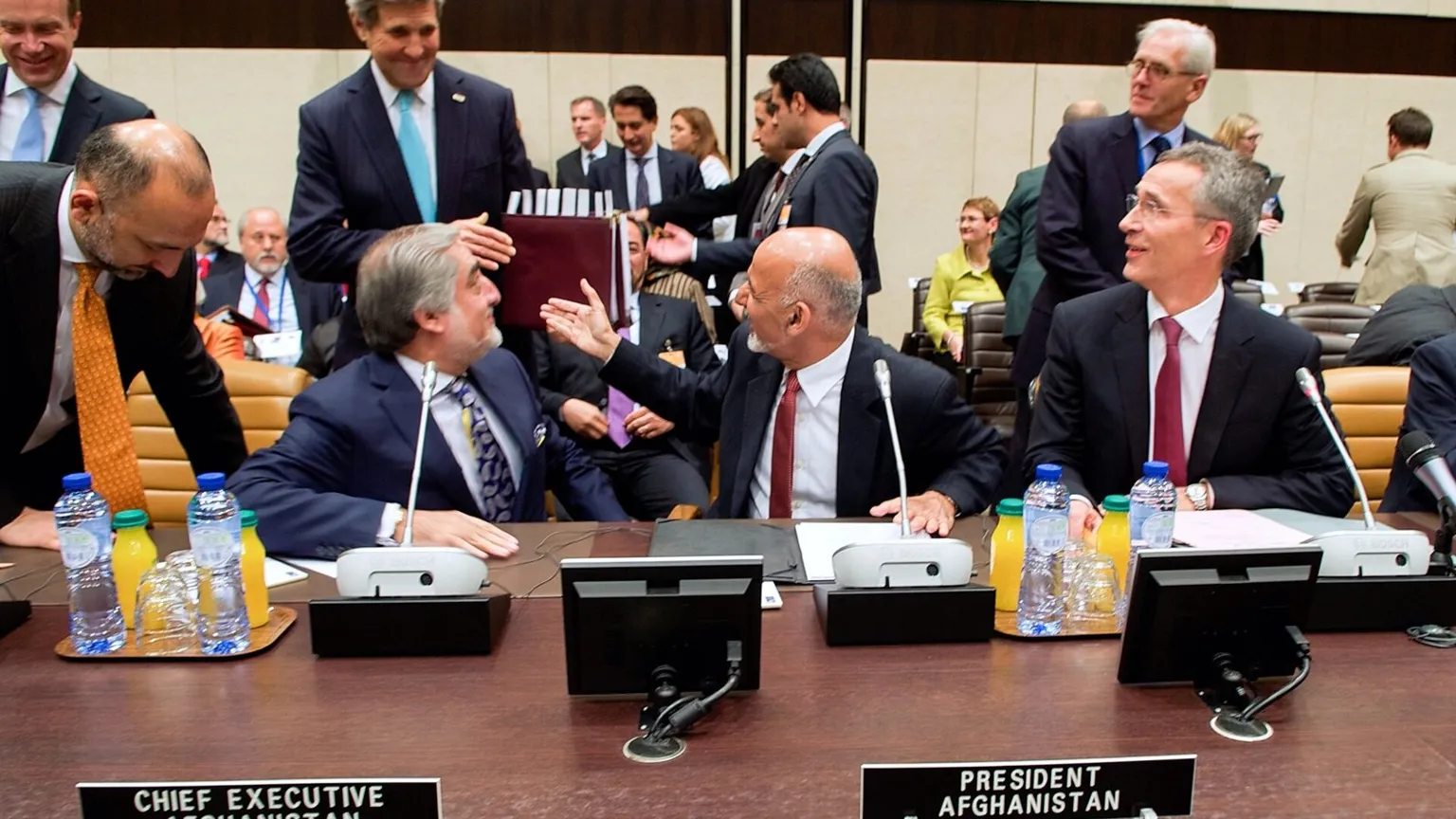
A fourth attempt, in a different city
A fresh round of talks among the United States, Ukraine and Russia got under way in Abu Dhabi on Tuesday, the first meeting of its kind since February.
A fourth attempt, in a different city
The US side is led by Jared Kushner, the president's son-in-law, and Steve Witkoff, the Middle East envoy. Ukraine's delegation is headed by Rustem Umerov, the country's foreign intelligence chief and lead negotiator. Russia has sent deputy foreign ministers and other senior officials, according to Russian state media.
A fourth attempt, in a different city
Mr. Kushner said at the outset that the hope was not only to discuss how to end the war but also how to shape security relationships among Ukraine, Russia and Europe. A cease-fire would not be on the table.
Europe is nearby, not at the table
Russia has insisted the talks stay strictly trilateral. National security advisers from Britain, France, Germany and Italy, along with officials from NATO and the European Union, are in Abu Dhabi for separate meetings. They saw the Ukrainian and American teams before the trilateral session began.
Europe is nearby, not at the table
Kremlin spokesman Dmitry Peskov said Europe has its own channels to Kyiv and Washington. The EU's foreign policy chief, Kaja Kallas, said on Monday she saw little sign that Russia was willing to negotiate in good faith.
Europe is nearby, not at the table
Mr. Witkoff said the earlier meeting with European and Ukrainian partners reaffirmed that a strong NATO would remain central to any post-war security arrangement. Whether that language survives contact with Moscow is the test of the week.
Why expectations are modest
This is the fourth round of trilateral talks. None has produced a significant breakthrough. President Volodymyr Zelensky said earlier this year that talks in Geneva had not worked through the hardest political questions. A later round, planned for March, was postponed because of the Iran war.
Why expectations are modest
CNN reports that President Vladimir Putin is still pressing maximalist demands Kyiv has already rejected, including Russian control of Ukraine's eastern Donbas, a smaller Ukrainian military, and an end to Ukraine's NATO ambitions. John Herbst, a former US ambassador to Ukraine, wrote last week that expectations should be "very modest."
The war has not paused for diplomacy
Civilian deaths in Ukraine are at their highest point since the full-scale invasion began, with more than 2,700 killed in Russian strikes so far this year, according to ACLED, a conflict monitor. Last Monday, at least 55 people were killed when bombs hit a school building used as a shelter and aid centre in Zaporizhzhia.
The war has not paused for diplomacy
Russian strikes on the power grid are coming earlier and harder than in previous winters. Mr. Zelensky said attacks left more than 600,000 people in the Dnipropetrovsk region without electricity overnight into Sunday.
The war has not paused for diplomacy
The United States has already changed its posture toward Kyiv, including a halt to financial aid at the beginning of 2025. Democrats about to take Congress will be watching whether Abu Dhabi is a serious negotiation or a stage on which Moscow collects concessions. (Unverified: the detailed US briefing papers and any unpublished offer text have not been made public.)