Morning Edition · Fri 9 Oct 2026
Strong Demand at $22 Billion 30-Year Auction Pulls Long-Bond Yield Down to 5.60%
The U.S. Treasury’s $22 billion auction of 30-year bonds on Thursday drew strong investor demand, pulling the long-bond yield down to 5.60% from 5.73% earlier in the day, according to AP.
Chanan Zevin - Chief Editor and Head of Desks
Published
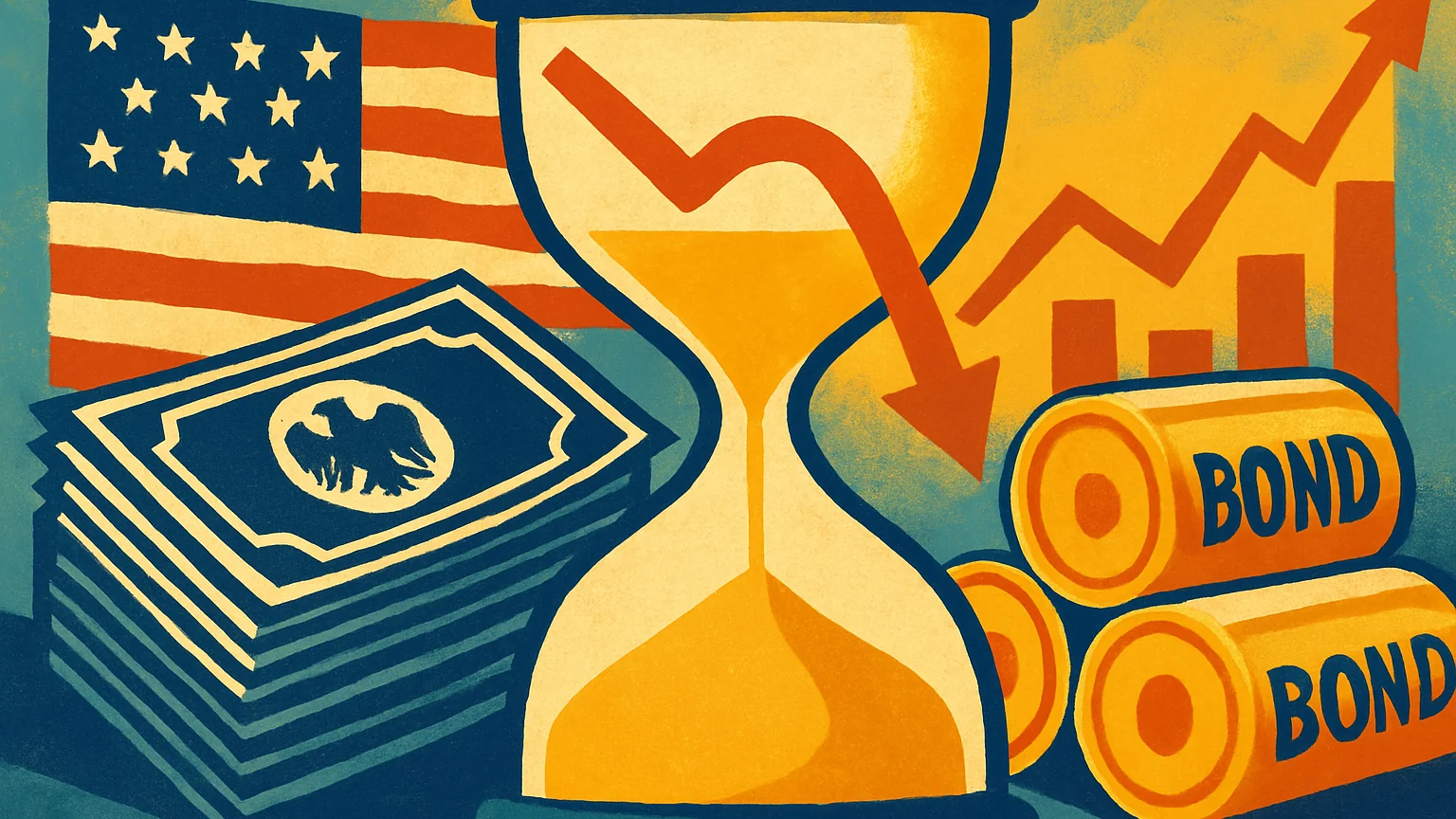
Robust Demand at 30-Year Treasury Auction
The U.S. Treasury sold $22 billion in 30-year bonds at auction on Thursday, with strong investor demand helping to pull the long-bond yield down to 5.60% from 5.73% in the morning, according to AP. The auction’s high yield was less than 5.62%, marking a notable move for the bond market as investors responded to the government’s offering.
This shift in yields occurred during a period of heightened volatility in the bond market. AP reported that yields have been jumping worldwide to their highest levels in years or even decades, raising concerns about the potential impact on economic growth.
Sharp Intraday Swings Across Markets
Thursday’s auction took place against a backdrop of sharp intraday swings in global financial markets. The 10-year Treasury yield climbed to 5.35% in the morning before retreating to 5.23% after the auction, reflecting rapid changes as investors digested new economic and geopolitical developments, according to AP.
Broader market turbulence was evident as oil prices rose 4.1% to $104.28 per barrel for Brent crude, while the S&P 500 fell 0.5% for a second consecutive loss. The Dow Jones Industrial Average added 51 points, or 0.1%, and the Nasdaq composite fell 1.3% as technology stocks took particularly hard hits, according to AP.
The price of Brent crude oil fluctuated sharply, reaching nearly $106 in the morning before comments from President Donald Trump about 'productive discussions' with Iran briefly sent prices toward $103, before they turned back upward, according to AP.
Investor Appetite for Treasurys Remains Strong
The strong demand at the 30-year auction followed a similar outcome at Wednesday’s 10-year Treasury auction, which also helped bring down yields, according to AP. Despite ongoing concerns about high inflation and large government debt loads, investors demonstrated a willingness to buy U.S. government debt at current yields.
Tony Miano, global investment strategy analyst at Wells Fargo Investment Institute, told AP that 'higher U.S. Treasury yields are starting to create their own demand, buyers are showing up for the right price.' This dynamic suggests that, even as bond prices have fallen sharply this year, the market is finding equilibrium as yields reach levels that attract new buyers.
On Wall Street, the easing in Treasury yields helped the majority of U.S. stocks rise, with two out of every three companies in the S&P 500 index gaining ground, according to AP.
Why It Matters: Lower Yields Ease Borrowing Costs
The decline in long-term Treasury yields following the strong auction is significant for financial markets and the broader economy. Lower yields can ease borrowing costs for businesses and households, while also providing support for equity markets. According to AP, the easing in Treasury yields helped the majority of U.S. stocks rise, even as technology shares lagged.
Continued strong demand for U.S. government debt, even amid concerns about inflation and fiscal deficits, helps anchor financial stability and keeps funding costs in check for the government. The outcome of Thursday’s auction underscores the ongoing role of Treasurys as a safe haven for global investors during periods of uncertainty.
The bond market’s reaction also highlights the sensitivity of yields to both investor sentiment and macroeconomic developments, as seen in the rapid intraday moves following both economic data and geopolitical headlines, according to AP.