Morning Edition · Thu 15 Oct 2026
NATO Ship-Services Fraud Probe Puts the Alliance's Overlooked Logistics Chain Under Scrutiny
Norwegian investigators arrested five people and prosecutors searched premises in Romania and Germany on Wednesday in a cross-border probe into alleged over-invoicing of NATO's main procurement agency for port services to warships.
Chanan Zevin - Chief Editor and Head of Desks
Published
What happened
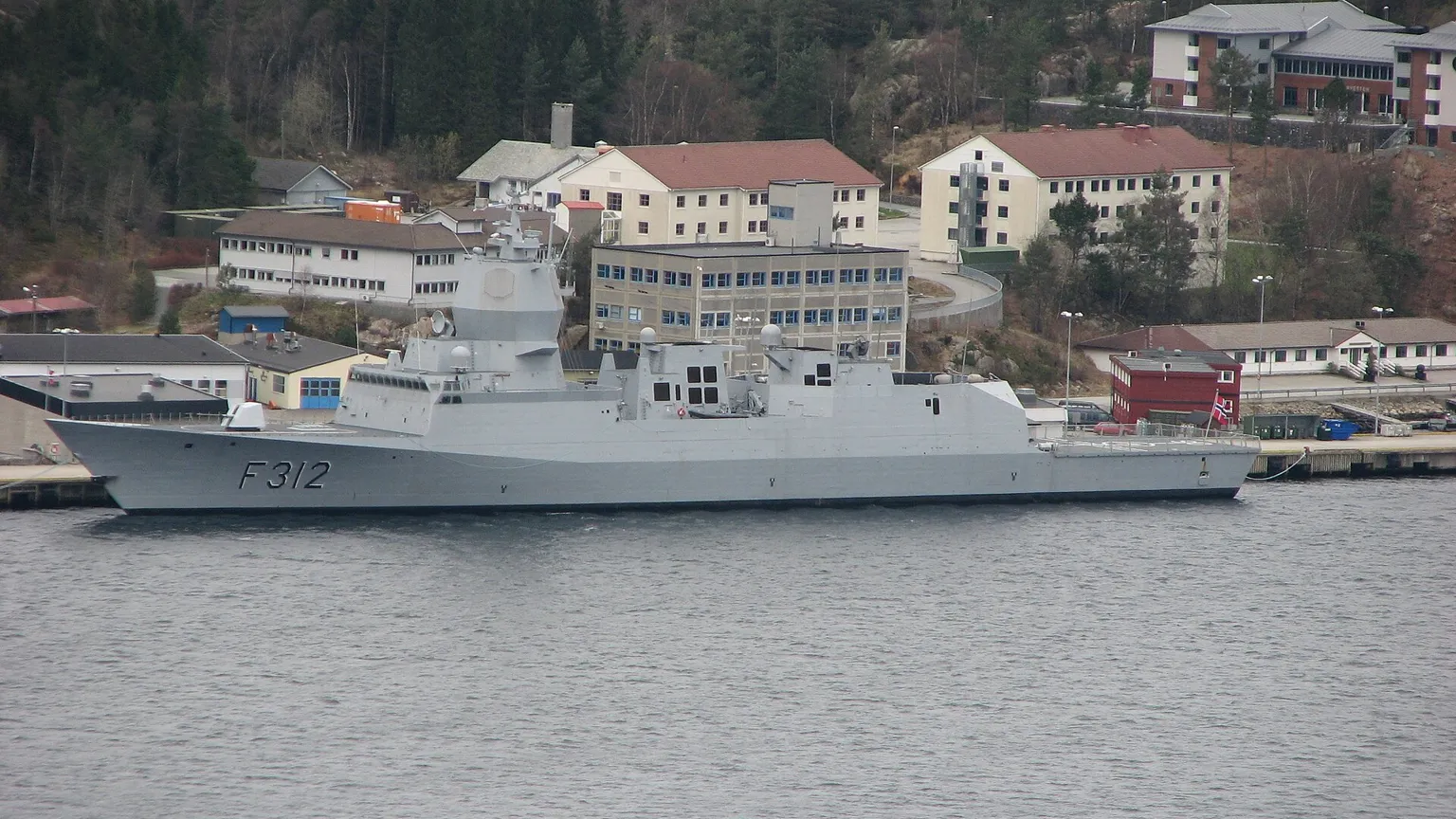
Norway's economic crime unit, Økokrim, arrested five people in the Bergen area on Wednesday, October 14, it said in a statement. They are charged with aggravated fraud against the NATO Support and Procurement Agency (NSPA), or aiding and abetting it, through alleged over-invoicing for services to NATO ships in Norwegian ports between 2021 and 2025. Økokrim said the charge relates to over-invoicing of more than €1 million.
Eurojust, the EU's judicial cooperation agency, said the alleged fraudulent invoices related to husbandry services, the shore-based support supplied to visiting vessels and their crews, during port visits in north-western Europe. It said losses to NATO member countries are estimated at over €1 million, with the exact amount still under investigation, and that the allegations include bribery of foreign public officials through an intermediary in return for favoured treatment in dealings with the NSPA.
Romania's anti-corruption directorate (DNA) said it searched three locations in Constanța county, including a company's headquarters, in a case involving suspected tax evasion, fraud and money laundering. In Germany, searches were carried out under a European Investigation Order, Eurojust said.
Allegations, not findings
No one has been convicted. The Norwegian charges are formal suspicions at an early stage; Økokrim said the investigation “will take time” because it covers several years and a very large number of ship calls. The DNA said it would provide more details when circumstances allow. The suspects' responses were not available in the sources reviewed.
According to the DNA, the investigation is run by a joint team that includes Romanian prosecutors, the UK's Crown Prosecution Service and Ministry of Defence Police, and Økokrim. Økokrim said it has signed an information-sharing agreement with the NSPA that will continue after this case.

How the case was built
Eurojust said it began supporting the cross-border investigation in April 2025, after the NSPA itself discovered the suspected fraudulent invoices. In July 2025 it helped set up a joint investigation team, a legal framework that lets authorities in different countries exchange evidence directly, and it hosted coordination meetings to prepare Wednesday's simultaneous action. It said the NSPA “provided crucial support and information” throughout.
On the action day, Norwegian police arrested five people and searched homes and business addresses; Romanian prosecutors searched a company's premises and several households; and in Germany, the Hamburg public prosecutor's office and state police searched the premises of two businesses and one household, Eurojust said. Romanian news site Informat.ro reported that the company searched in Constanța is managed by Gabriel Daraban; that report has not been confirmed by the authorities' statements. Eurojust said it could not comment further while investigations are ongoing.
Why it matters
Analysis: Alliance debate usually centres on ships, aircraft and munitions. This case concerns the routine services that keep warships supplied in port, a part of the logistics chain that receives little public attention. The amount alleged is small relative to defence budgets, but the case tests how well NATO's procurement agency can detect billing abuse across many port calls and several countries.
What to watch: whether prosecutors name the company, whether the loss estimate rises as investigators review more ship calls, and whether the NSPA changes how it audits husbandry contracts.