Morning Edition · Thu 15 Oct 2026
Gasoline Inflation Surges While Grocery Prices Slip: The Split Behind the US Price Shock
September's 0.6% rise in US consumer prices was driven mainly by a 9.1% jump in gasoline, while prices for groceries eaten at home slipped 0.1%, Bureau of Labor Statistics data show.
Chanan Zevin - Chief Editor and Head of Desks
Published

The split in the data
The gasoline index rose 9.1% in September on a seasonally adjusted basis, accounting for over half of the 0.6% monthly increase in all items, the Bureau of Labor Statistics said on Wednesday, October 14. Before seasonal adjustment, gasoline prices rose 6.5%. The energy index rose 5.2% on the month and 20.4% over 12 months, with gasoline up 34.2% on the year.
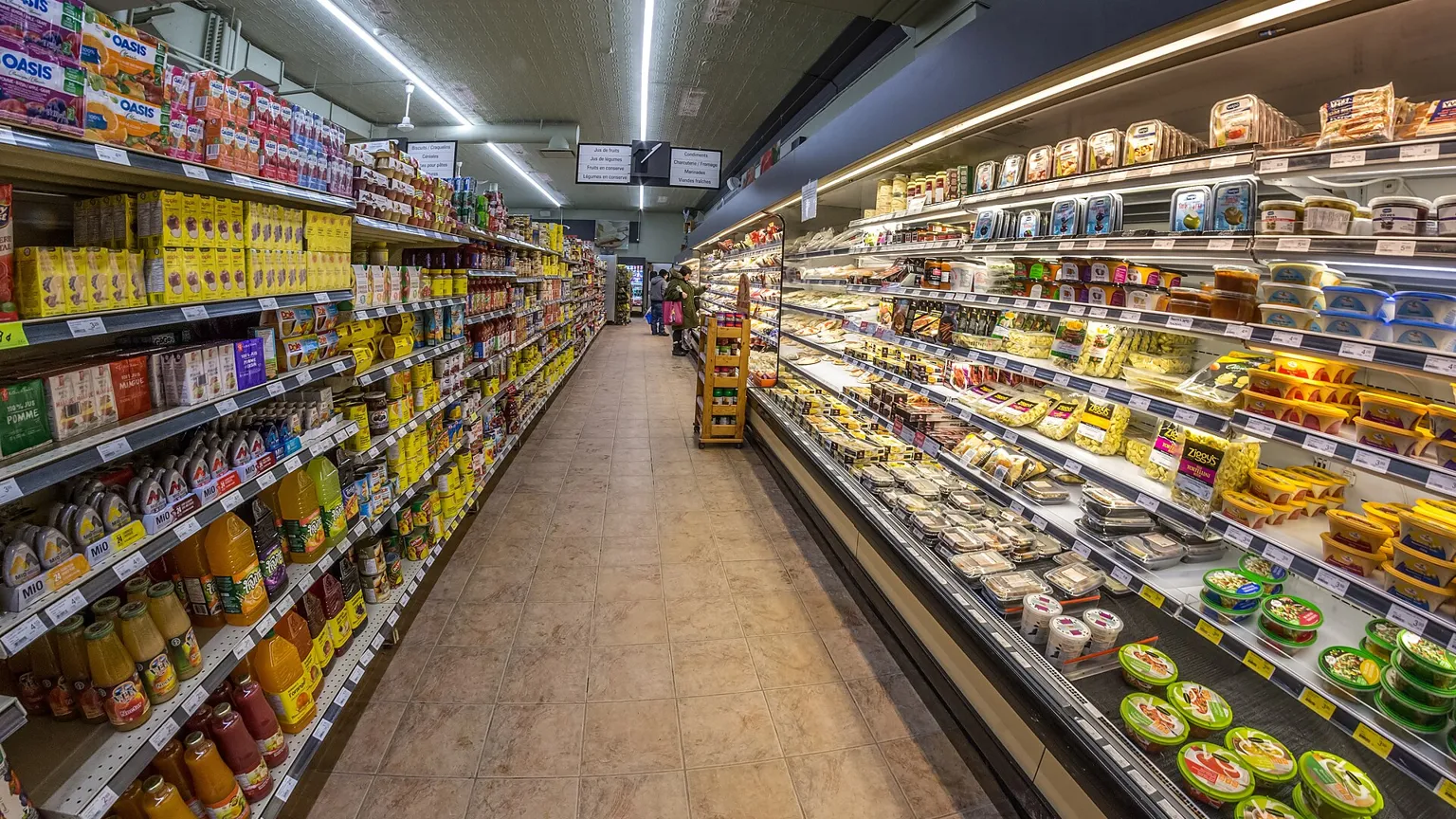
The food index was unchanged. Within it, food at home, the grocery measure, fell 0.1%, while food away from home rose 0.2%. Three of six major grocery groups declined: meats, poultry, fish and eggs fell 0.5%, with beef down 1.0%; dairy fell 0.9%, with milk down 2.0%; and other food at home fell 0.2%. Nonalcoholic beverages rose 0.9% and fruits and vegetables 0.5%.
Comparing like with like
All the figures above are seasonally adjusted month-over-month changes for September, except where 12-month changes are stated. Over 12 months, food at home is up 1.8% and the overall food index 2.5%, against 3.7% for all items. Food at home is only part of the food index, so a monthly grocery decline does not mean food costs overall fell.
Core inflation, excluding food and energy, rose 0.3% on the month and 2.6% over the year, up from 2.4% in August. Shelter rose 0.4%, and airline fares 1.2%.
What else moved
Outside food and energy, BLS data show recreation prices rose 0.5% in September, used cars and trucks 0.7%, education 0.6% and apparel 0.3%. Prescription drug prices fell 1.2% and communication 0.2%. Over 12 months, airline fares are up 22.4% and shelter 3.2%. Natural gas prices fell 0.3% on the month and electricity rose 0.2%, so the energy jump was concentrated in motor fuel; fuel oil rose 15.3%.
Private data point the same way on groceries. Supermarket News reported that Numerator's Consumer Goods Price Index, a measure of everyday household purchases, rose 0.7% in September after declines in July and August, and was up 2.1% from a year earlier. That index covers a different basket from the BLS food-at-home measure, so the two should not be compared directly. Economists had expected annual CPI inflation of 3.6%, against the reported 3.7%, CNBC reported.
Why it matters
Analysis: The data show the September acceleration came mainly from fuel, which the BLS figures tie directly to the gasoline index. Groceries were not adding to monthly inflation. But core prices also firmed, so the report does not show inflation confined to energy. Markets read the core figure as relevant to Fed policy; the probability of an October rate hike rose to about 40% after the release before easing to about 33%, according to LSEG data cited by Investing.com.
What to watch: the October CPI report, scheduled for Tuesday, November 10, will show whether gasoline prices keep rising and whether core inflation keeps firming.