Morning Edition · Tue 13 Oct 2026
Microsoft Makes Its Maia Chip the Primary Engine for AI, Reducing Reliance on Nvidia
Microsoft said on Monday it will mainly rely on its own Maia chips to run AI models, starting with the third-generation Maia 300, as it seeks to cut its dependence on Nvidia's graphics processors.
Chanan Zevin - Chief Editor and Head of Desks
Published
Maia becomes the default
Starting with its third-generation Maia accelerator, unveiled on Monday, October 12, Microsoft will mainly use its own silicon to handle incoming AI requests, CNBC reported. Production of the Maia 300 starts in 2027, and Microsoft is targeting multi-gigawatt deployments of Maia-family chips, according to a blog post from Executive Vice President Scott Guthrie cited by CNBC.
More tokens per megawatt
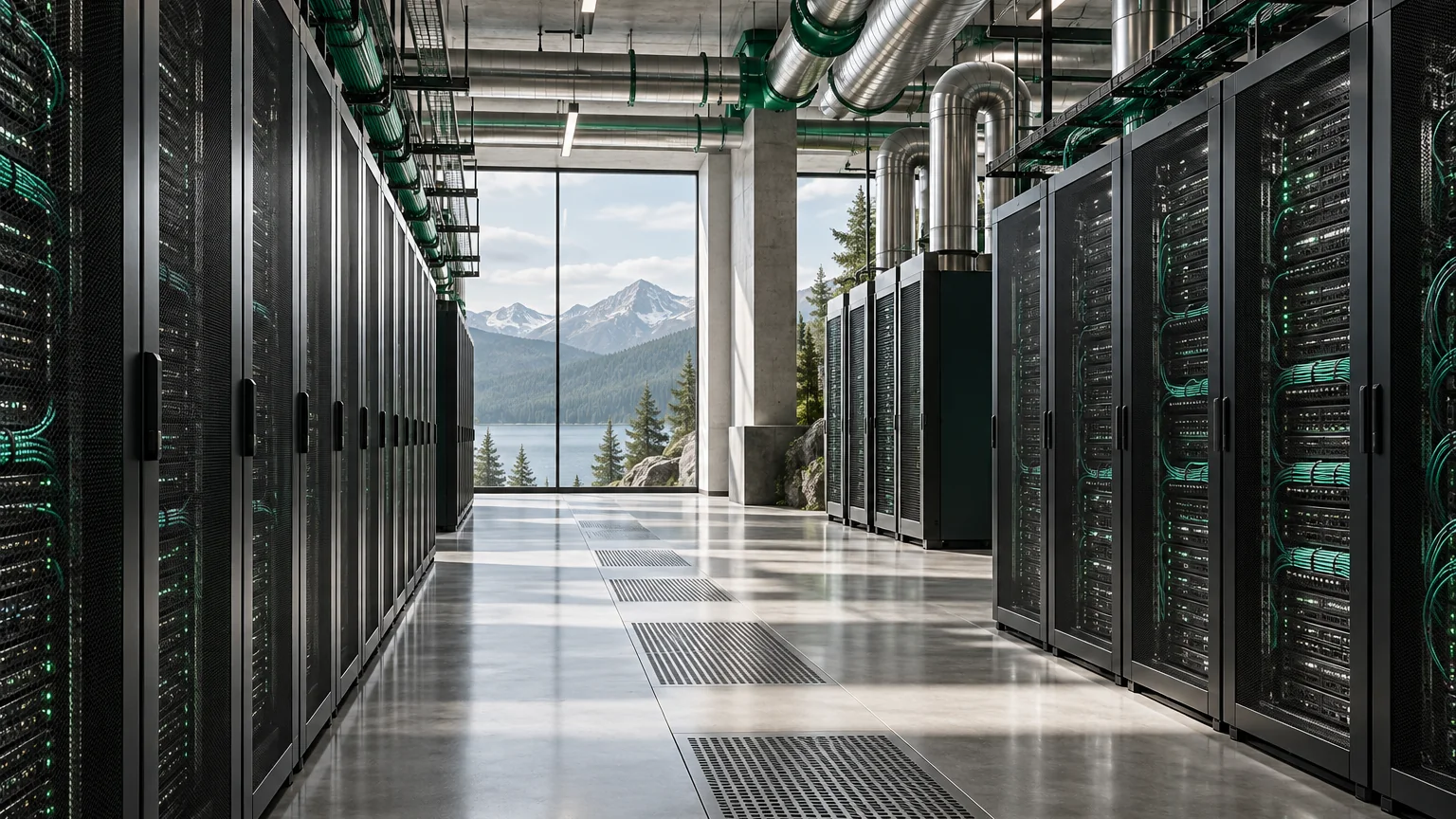
Microsoft expects to pack 96 Maia 300 chips into each data-centre rack, double the number for the Maia 200, CNBC reported. The company says the new chip can run up to seven times more AI tokens per rack, with 40% more tokens per megawatt than GPUs.
“We need new architectures that will give us essentially better performance, better use of the power that we have,” general manager Alistair Speirs told CNBC. Evercore ISI analysts estimated that Maia will represent about 10% of Microsoft's AI-chip spending by the first quarter of 2027.
Nvidia still in the mix
Microsoft will continue to partner with Nvidia and AMD for training models, Speirs said, according to CNBC. Unlike Google's TPUs or Amazon's Trainium, Maia cannot be rented by other companies. “Nobody has tested them outside of Microsoft yet,” said Patrick Moorhead of Moor Insights and Strategy.