Morning Edition · Tue 13 Oct 2026
Houthi Strikes Shut Riyadh Airport as Iran Rejects US Reply on Reopening Hormuz
Saudi Arabia kept Riyadh's King Khalid International Airport closed on Monday after Houthi strikes killed at least 13 people, while Iran's security chief said Washington's reply to its conditions for reopening the Strait of Hormuz was “insufficient.”
Chanan Zevin - Chief Editor and Head of Desks
Published
The worst attack on the kingdom in a decade
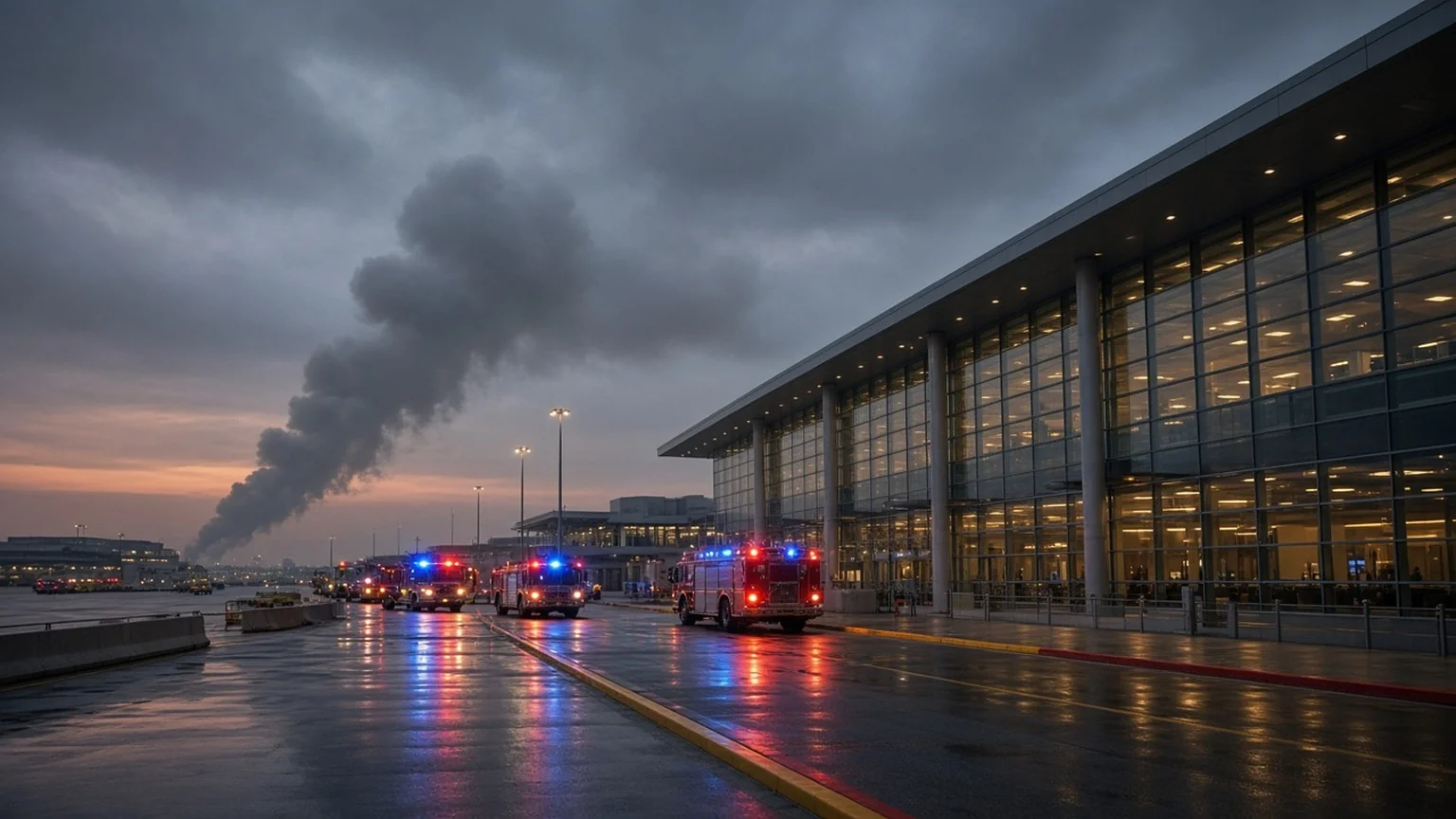
Saturday's Houthi attack on King Khalid International Airport killed at least 13 people and injured at least 300, The Independent reported on Monday, calling it Saudi Arabia's worst attack in more than a decade. Many of the victims are believed to have been pilgrims heading to Mecca, the paper said. Another strike on Sunday killed one person and injured 11 at a passenger terminal, Saudi Arabia confirmed, according to AP News as summarised by Just Security.
On Monday the Saudi-led coalition in Yemen said it faced a new barrage of drones and missiles and that the Riyadh airport would remain shut, The Independent reported. Aviation analytics firm Cirium said 82% of flights from the airport were cancelled, and that cancellations across all Saudi airports reached 46.4%, according to Reuters. Lufthansa cancelled all Riyadh flights until Friday, October 16.
Riyadh promises a response
Energy minister Prince Abdulaziz bin Salman said the kingdom's response would be “equally serious” given the gravity of the attacks, The Independent reported. Turkey, Pakistan, Egypt and Saudi Arabia called the strikes a “dangerous escalation that cannot be justified or accepted under any pretext,” Reuters reported. President Donald Trump told reporters he was considering joining Saudi Arabia's fight against the Houthis, CNBC reported.
Tehran hardens its line on Hormuz
Mohsen Rezaei, head of Iran's Supreme National Security Council, told state media on Sunday that Iran had sent the US seven conditions for reopening the Strait of Hormuz about two weeks earlier, The National reported. “While they have accepted some of our conditions, others remain unresolved,” he said. “They have given their reply, and we consider it insufficient.”
Rezaei said Washington had approached Tehran through Pakistan, Qatar and Iraq over the past two months, according to The National. The US has rejected Iran's proposal that Iran and Oman jointly manage the waterway, saying ships should have free passage under international law, the paper reported.