Edition · Tue 10 Nov 2026
Geo-politics Desk
France Blames Iran for a Cyberattack That Spoiled Food Across Hundreds of Stores
Paris says hackers raised the temperature in supermarket refrigerators at about 700 retailers, ruining fresh and frozen goods and, in some cases, starting fires in the equipment. France has summoned Iran's ambassador and is preparing sanctions. Tehran had not responded by Monday evening.
By Rachel · Edited by Chanan Zevin - Chief Editor and Head of Desks
Published
An attack on the cold chain
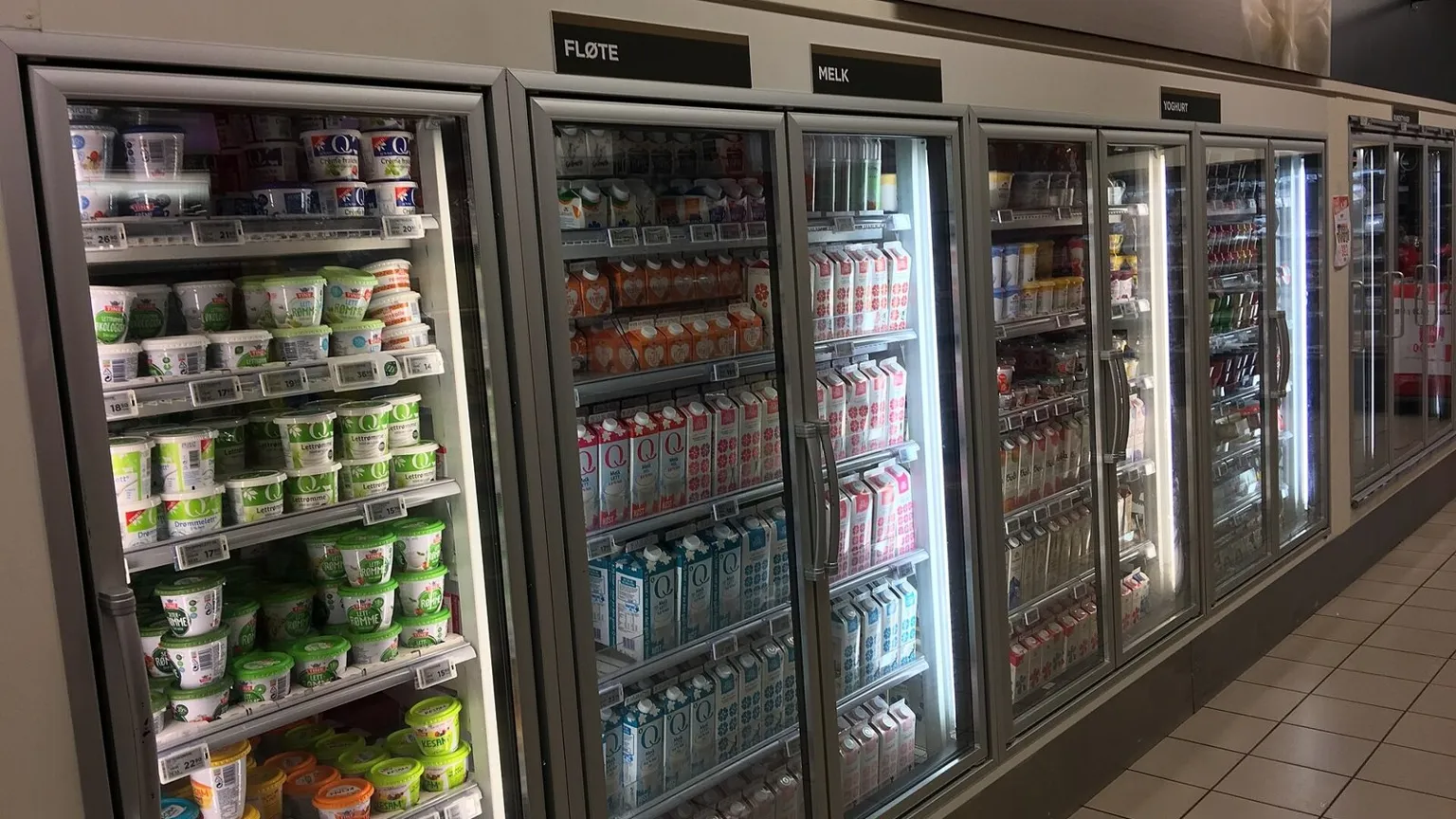
France formally blamed Iran on Monday for a cyberattack last month on supermarket refrigeration systems, an operation that spoiled produce at around 700 retailers.
An attack on the cold chain
Foreign Minister Jean-Noël Barrot called it an attack of "unprecedented scale and unprecedented aggressiveness" and the first large-scale cyberattack carried out for sabotage on French territory. "It represents a major assault on the nation's interests and on the security of the French people," he said.

An attack on the cold chain
France has summoned Iran's ambassador and says it intends to impose retaliatory sanctions at a European level. There was no immediate comment from Tehran.
How the sabotage worked
According to CNN's affiliate BFMTV, hackers remotely connected to refrigerators and freezers and raised their temperature by switching on defrost cycles. Large quantities of fresh and frozen food were lost. Some of the equipment caught fire.
How the sabotage worked
The Paris prosecutor's office, which has taken up the case, accused Iran of being behind the attack, citing the use of Farsi and IP addresses pointing to devices in Iran.
How the sabotage worked
Prosecutors said they had opened an investigation into the head of Shahid Kaveh, a cyber unit affiliated with the Islamic Revolutionary Guard Corps, as well as two deputies and others who may have been involved.
A wider European problem?
A similar attack hit supermarkets in Sweden, Belgium and Ireland earlier this month. It is not yet clear whether those incidents are linked to the French case, and no one has claimed responsibility for them.
A wider European problem?
Separately, France's accusation and the summoning of the ambassador.
The war in the background
Shortly after the United States and Israel launched strikes on Iran in late February, US intelligence issued private warnings to companies and agencies to watch for Iranian cyberattacks, according to national security sources and memos reviewed by CNN.
The war in the background
A strike on the systems that keep food safe is a way to inflict cost and fear without firing a missile. France is treating it as sabotage, not vandalism.
The war in the background
Attribution in cyber cases is often contested. France has made a public accusation and named a unit it believes is responsible. Iran's answer, if it comes, will be part of the next chapter. (Unverified: independent technical forensic reports beyond the prosecutor's public claims had not been published in the sources reviewed.)