Edition · Tue 03 Nov 2026
Geo-politics Desk
Deal or 'the Hammer': Trump Keeps Iran Guessing After a Call With Netanyahu
President Donald Trump warned Iran could face 'the hammer' if war continues, even as Israel denied pushing Washington for strikes following a call between Trump and Benjamin Netanyahu.
By Rachel · Edited by Chanan Zevin - Chief Editor and Head of Desks
Published
Rally Rhetoric and the Threat of the Hammer
President Donald Trump warned on Sunday that Iran could face a decisive military strike if the ongoing conflict persists, telling supporters at a campaign rally in Iowa ahead of Tuesday's midterm elections that only his desire to prevent casualties had stayed his hand, according to Israel National News.
Rally Rhetoric and the Threat of the Hammer
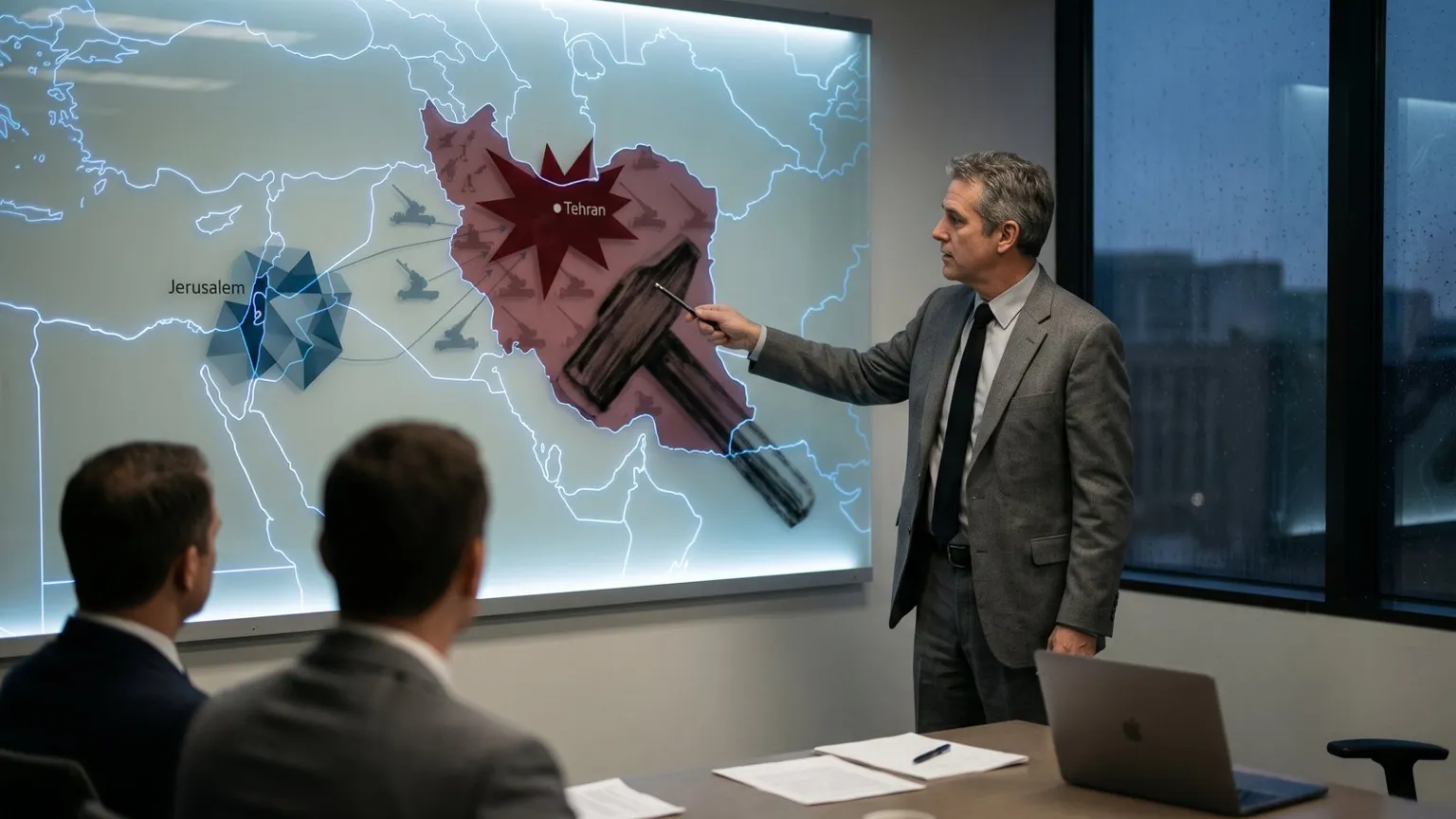
Speaking to the crowd in Iowa, Trump declared that the United States would at some point have to give Tehran "the hammer," while asserting that the war would end "very soon." Earlier on Sunday, speaking to RSBN before the rally, Trump stated that Washington would finish the confrontation either through an agreement or by ending it "the easy way." The president added that he had held a "very good talk" with Israeli Prime Minister Benjamin Netanyahu about the confrontation, without detailing the discussion.
Rally Rhetoric and the Threat of the Hammer
The military posturing directly affects global energy supplies and international policy during an active conflict in the Persian Gulf. Trump addressed higher energy costs at the Iowa rally, defending higher oil prices as a small price to pay for the security of the nation and the world, and forecasting that crude prices would plunge once military operations cease. For consumers and industries sensitive to fuel price fluctuations, the decision between expanded warfare and a negotiated settlement carries immediate economic weight.
Israel Denies Urging Post-Election Assaults
The public warnings from Trump followed an Axios report on Sunday stating that Netanyahu had urged the American president during a Saturday telephone call to carry out renewed military strikes against Iran immediately after the November 3 elections. Citing an Israeli official who described the call as "tough" and an American official who called it "direct," Trump preferred to allow more time for diplomatic talks.
Israel Denies Urging Post-Election Assaults
Israel's ambassador to the United Nations, Danny Danon, pushed back against that account on Monday, telling Al Arabiya English that Netanyahu was not pressing Trump for action, World Israel News reported. Danon said military determinations remain Washington's responsibility and that Israel would support whatever path the administration selects. Danon also dismissed claims posted on social media by commentator Tucker Carlson, who alleged that Netanyahu was lobbying for a nuclear strike against an underground Iranian facility at Pickaxe Mountain. Danon described Carlson's allegations as "delusional," stating that neither Washington nor Jerusalem was considering such an option.
Israel Denies Urging Post-Election Assaults
Trump nonetheless kept military options visible over the weekend. While telling reporters that negotiations were going fine and that he was not in a hurry, Trump pointed specifically to Pickaxe Mountain as an Iranian nuclear site the United States still needed to address, warning that American forces could strike it in 10 minutes, Israel National News reported.
Mediated Talks and Strait of Hormuz Proposals
Administration officials indicated that no final course has been chosen. Speaking to reporters in Atlanta on Saturday, Secretary of State Marco Rubio said Trump had not yet reached a decision on further military action, emphasizing that the administration favors diplomacy while retaining the military capacity to achieve its goals, World Israel News reported.
Mediated Talks and Strait of Hormuz Proposals
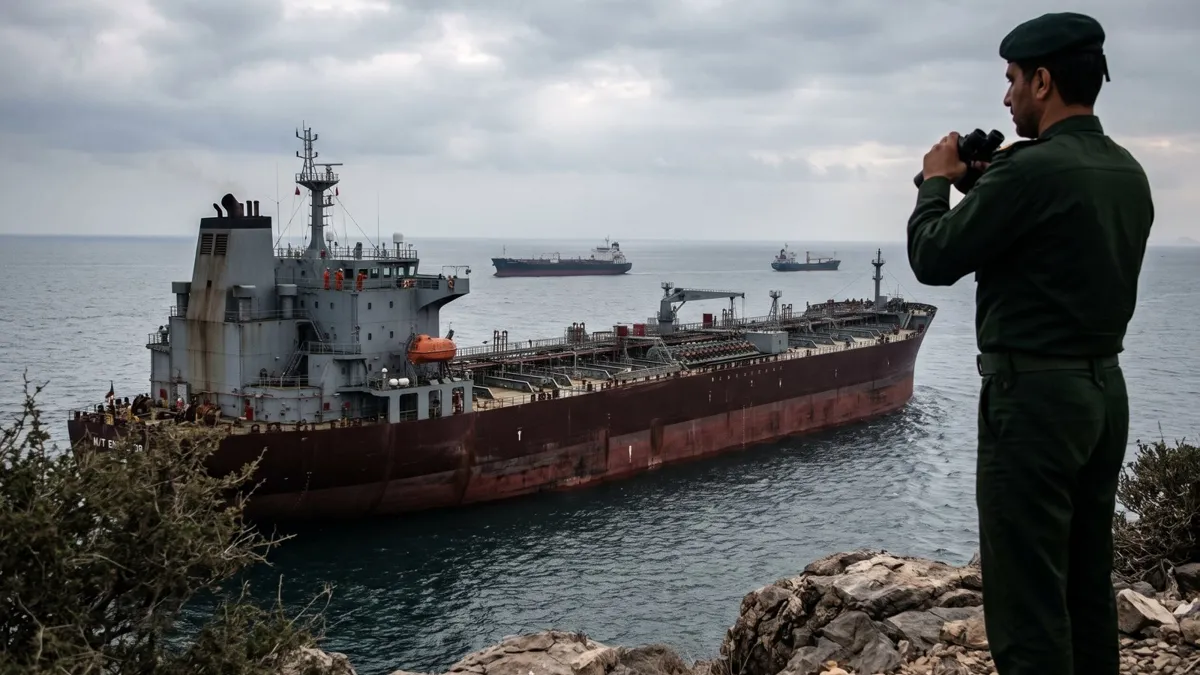
At the same time, regional mediators in Qatar and Pakistan have continued trying to broker an agreement between Washington and Tehran. Iranian Foreign Minister Abbas Araghchi said on Monday that indirect negotiations remained active despite several days of discussions in Qatar that failed to reach a breakthrough, according to World Israel News. Iranian officials said Tehran presented a proposal to reopen the Strait of Hormuz within two days if the United States ends its blockade of Iranian ports and lifts restrictions on Iranian oil shipments.
Mediated Talks and Strait of Hormuz Proposals
Iranian President Masoud Pezeshkian also said on Monday that Supreme Leader Mojtaba Khamenei had granted the government additional authority to negotiate, World Israel News reported, leaving the conflict balanced between diplomatic offers and Trump's repeated threats of force.