Edition · Tue 03 Nov 2026
Geo-politics Desk
Strikes on Qeshm, Mediators in Tehran: Iran Says Peace Is Still Far Off
A senior Iranian official told Reuters a deal to end the war remains distant despite Qatari mediation, following overnight American strikes on Qeshm Island and the downing of a US drone.
By Rachel · Edited by Chanan Zevin - Chief Editor and Head of Desks
Published
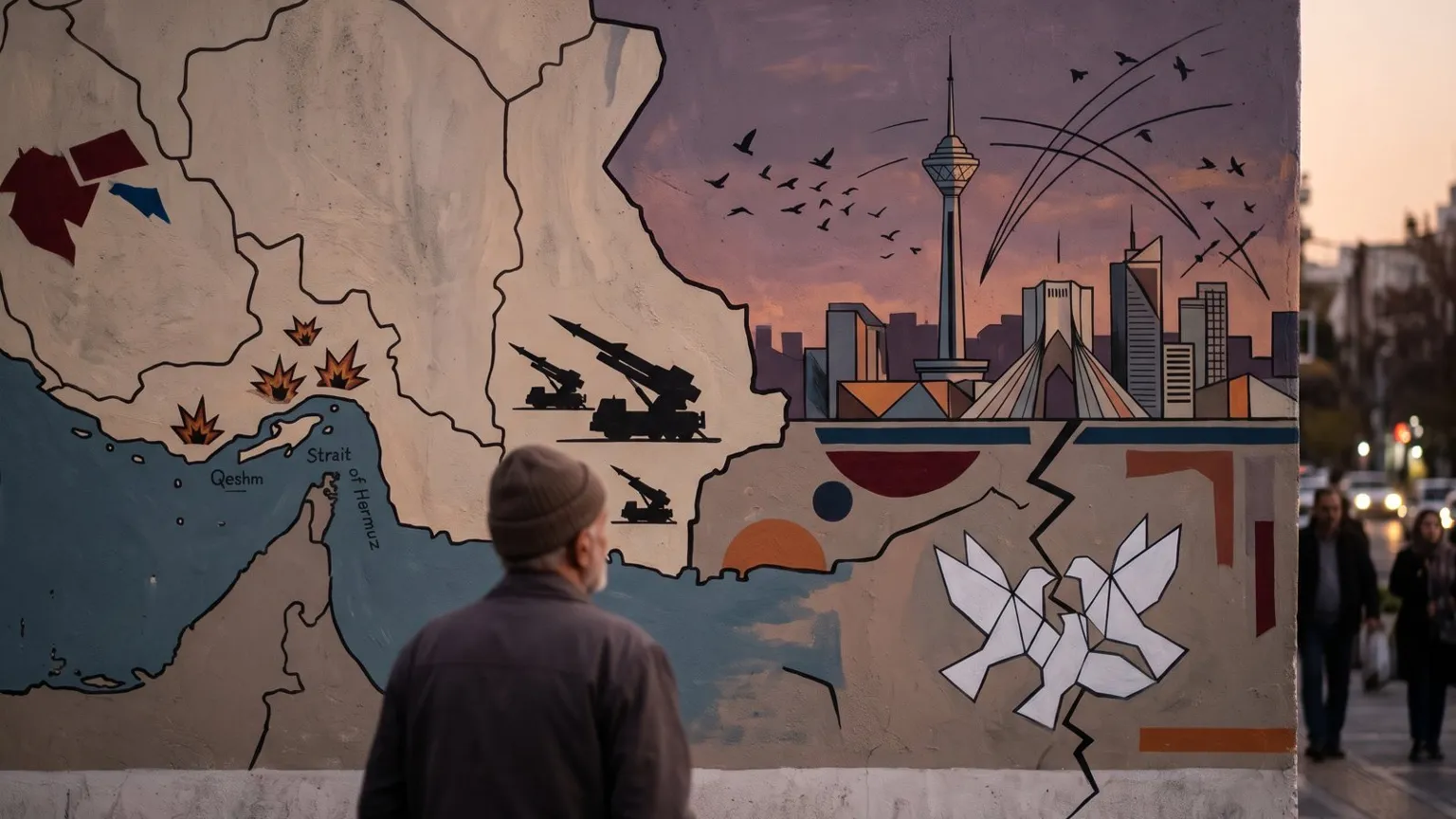
Overnight strikes on Qeshm and an MQ-9 downing over Hormuz
Iran and the United States remain far from reaching an agreement to end their war, a senior Iranian official told Reuters on Tuesday, November 3, 2026, as overnight American military action and the destruction of a United States drone deepened the crisis.
Overnight strikes on Qeshm and an MQ-9 downing over Hormuz
For global commerce and everyday travelers, the standoff in the Gulf carries immediate consequences. Renewed military strikes jeopardize transit through both the Strait of Hormuz and the Bab el-Mandeb Strait, critical sea corridors that underpin global fuel traffic, while cross-border missile and drone strikes have already forced airport disruptions and spread fighting into neighboring states.
Overnight strikes on Qeshm and an MQ-9 downing over Hormuz
United States forces conducted defensive strikes overnight on Iran's Qeshm Island, where a United States official said the operation targeted surface-to-air missiles previously utilized against American military assets, according to The Jerusalem Post. Over the same hours, Iran's Revolutionary Guards reported that they shot down an American MQ-9 drone east of the Strait of Hormuz, Al-Monitor reported.
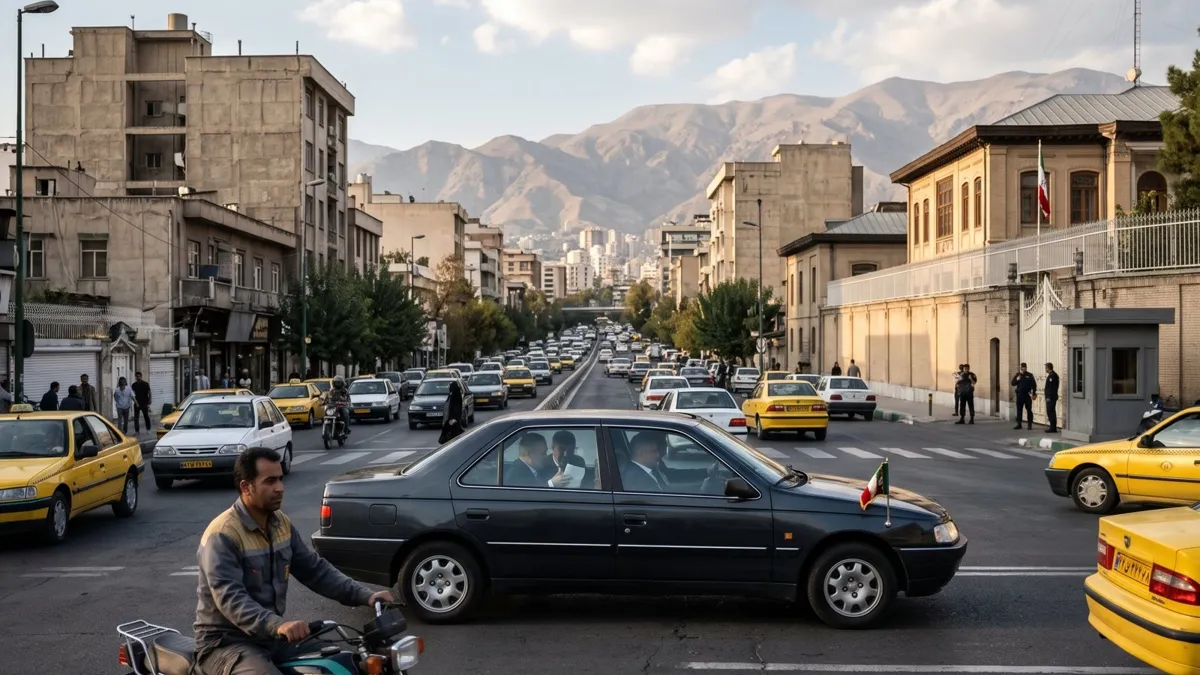
Mediators arrive in Tehran as diplomatic positions harden
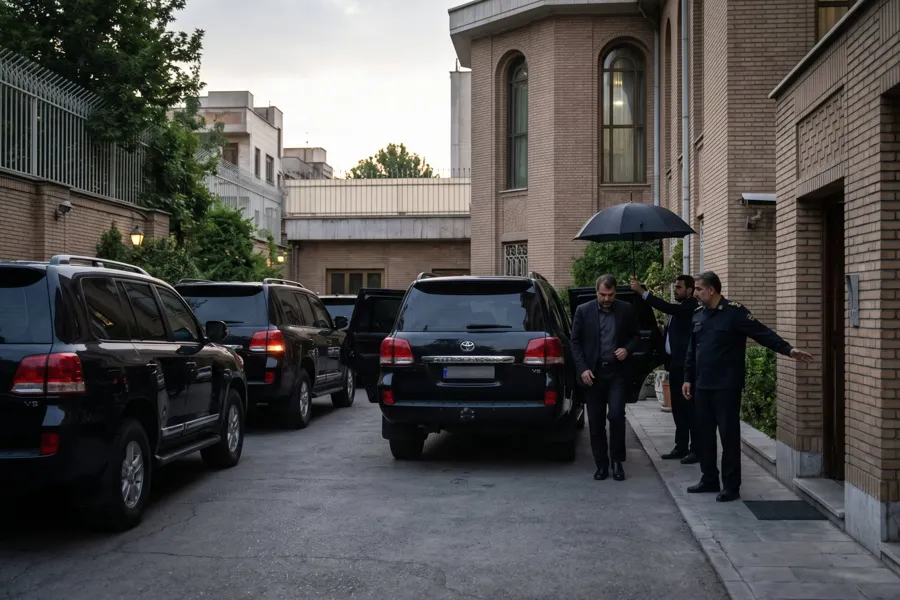
Diplomatic intermediaries from Qatar arrived in Tehran on Monday night to conduct discussions over a draft United States-Iran settlement that had been negotiated over the previous eight days, the senior Iranian official said. The official stated that Tehran's terms must be satisfied if Washington wants the Strait of Hormuz reopened, adding that discussions regarding nuclear matters could only begin afterward and that Iran would reject excessive demands from the United States.
Mediators arrive in Tehran as diplomatic positions harden
Mohammad Baqer Qalibaf, the speaker of Iran's parliament, declared on Tuesday that the initiative rested with Washington after Tehran provided what he called a strong and rational response, Al-Monitor reported. Qalibaf stated that Iran would not submit to military action, warning that any miscalculation by the United States would trigger an unpredictable reaction unconstrained by geography, while the senior Iranian official said that Tehran prepared a forceful regional response to American strikes.
Regional diplomacy continues as Houthi combat expands
Alongside indirect messaging between Washington and Tehran, Iranian Foreign Minister Abbas Araqchi stated on social media platform X on Tuesday that discussions between Iran and Saudi Arabia were continuing, The Hindu reported. Araqchi noted that Tehran sought to establish regional security frameworks among neighboring countries without external military involvement.
Regional diplomacy continues as Houthi combat expands
The bilateral contacts followed discussions held last week in Tehran among senior officials from Saudi Arabia, Turkey, and Pakistan, representing the first high-level meeting between Iran and the three governments since August, Rappler reported. Riyadh said that the diplomatic mission aimed to open communication channels to avoid a return of military escalation, following intense combat in recent weeks between Saudi forces and Yemen's Iran-aligned Houthis.
Regional diplomacy continues as Houthi combat expands
Houthi operations have intensified as the movement advanced toward the Bab el-Mandeb Strait, a strategic maritime passage located opposite the Strait of Hormuz, according to Al-Monitor. The militia launched attacks on Saudi oil installations and international airports, including the capital's facility in Riyadh, causing flight disruptions and prompting retaliatory Saudi airstrikes in Yemen, a nation engulfed in conflict since the Houthis captured Sanaa in 2014.
Conflicting signals in Washington and direct warnings from Khamenei
In Washington, United States President Donald Trump expressed uncertainty on Monday regarding whether he would execute a threatened resumption of strikes against Iran following Tuesday's midterm elections, remarking that he believed Tehran wanted an immediate settlement, The Jerusalem Post reported. Vice-President J.D. Vance told journalists that he discussed the matter with the president and felt positive regarding prospects for a negotiated resolution, according to The Hindu.
Conflicting signals in Washington and direct warnings from Khamenei
However, Iran's Supreme Leader Ayatollah Ali Khamenei issued orders to military leadership directing that any threat must receive an immediate, impactful, and geographically unrestricted countermeasure, The Hindu reported. The warning underscores the precarious state of the broader confrontation, which expanded across Saudi Arabia and Yemen after the United States-Israeli war on Iran commenced in late February.