Morning Edition · Wed 14 Oct 2026
The Iran War Is Already a $2,000 Bill for Every American Household
Opinion: Moody's puts the war's cost to US consumers at about $265 billion. Stopgap fuel deals will not fix that; a strategy to end the war would.
The Zevin Intelligence Journal
Published
The facts
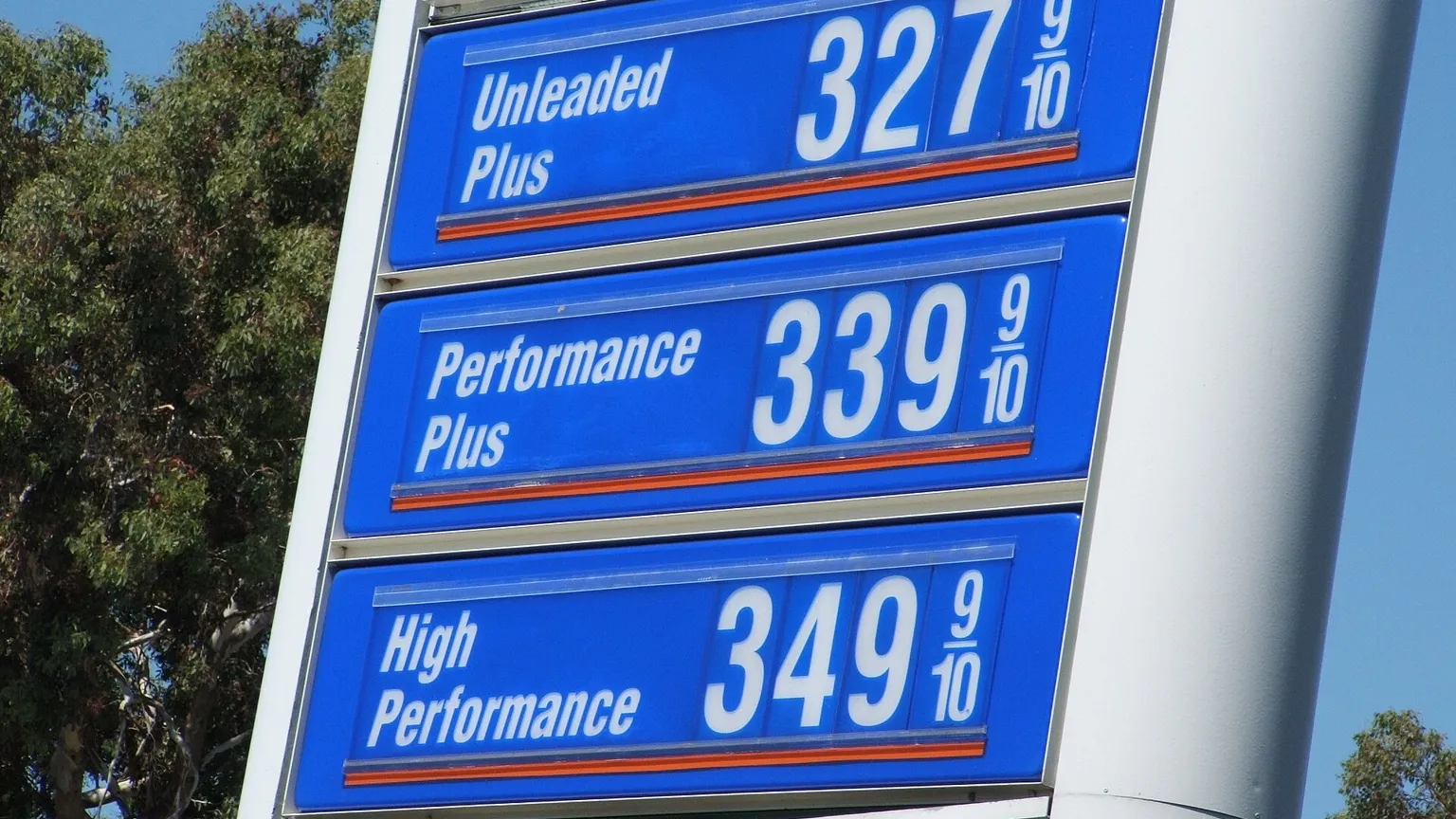
The war with Iran has cost American consumers about $265 billion, or roughly $2,000 per household, according to Moody's Analytics chief economist Mark Zandi, CNN reported. Gasoline averages $4.34 a gallon, against $2.98 before the war, and has been above $4 for a record 165 days, CNN said. The Pentagon puts its own cost at $45.1 billion through September.
On Wednesday the Labor Department reported that consumer prices rose 3.7% in September from a year earlier, up from 3.4% in August, with gasoline driving more than half of the monthly increase, the Associated Press reported.
Why stopgaps fall short
The administration's answer has been fuel deals, most recently Russian diesel. Goldman Sachs estimates the extra 800,000 tons would cut wholesale prices by only $1 to $2 a barrel, CNBC reported. Against a $2,000 household bill, that is not relief; it is a rounding error.
The counterargument
Supporters argue that any price relief before winter helps families, and that diplomacy takes time. Both are true. But stopgaps also buy time for a war with no stated end point, and the inflation data show the costs spreading beyond energy.
What should happen
Washington should set out, before the midterms, what ending the war requires: the terms for reopening Hormuz, the conditions for a ceasefire and a timetable. Voters are already paying the bill; they are owed the plan.