Morning Edition · Mon 12 Oct 2026
Buying Russian Diesel Trades Ukraine Leverage for a Midterm Bump
Opinion: Washington’s plan to buy Russian diesel may ease fuel prices, but it works against the pressure the US has built on Moscow’s energy revenue.
Zevin Insight Editorial
Published
The facts
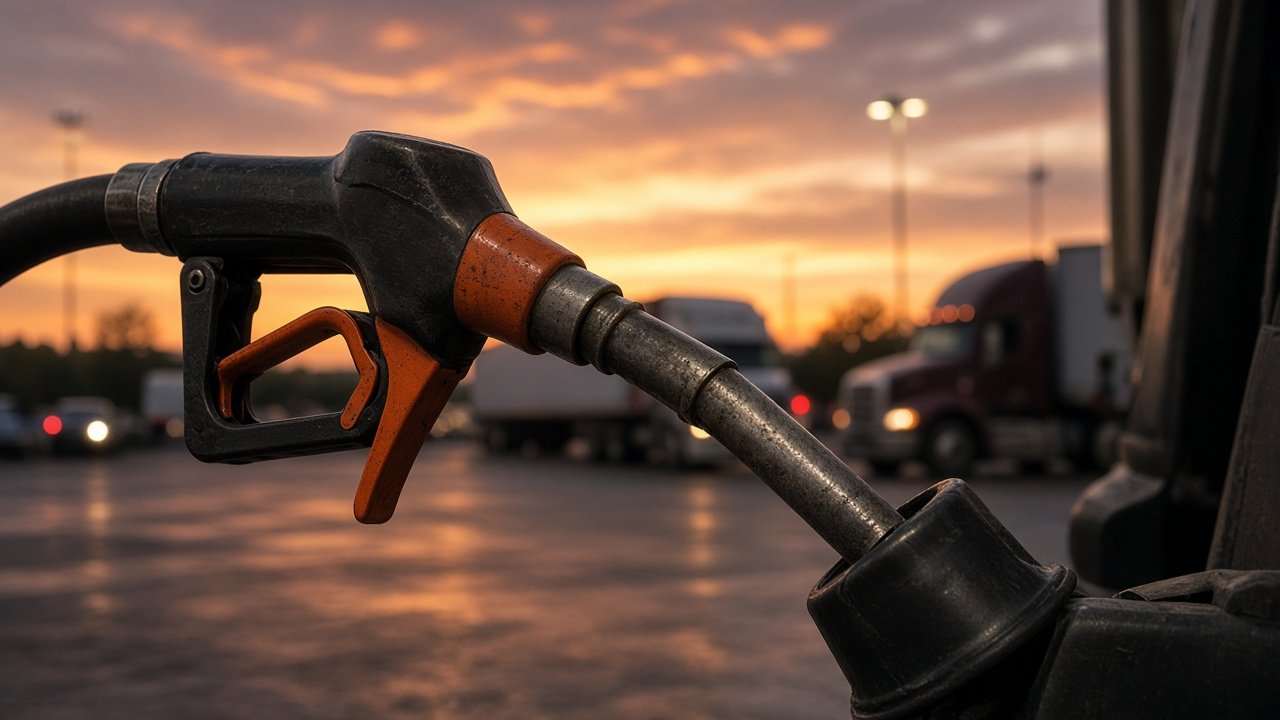
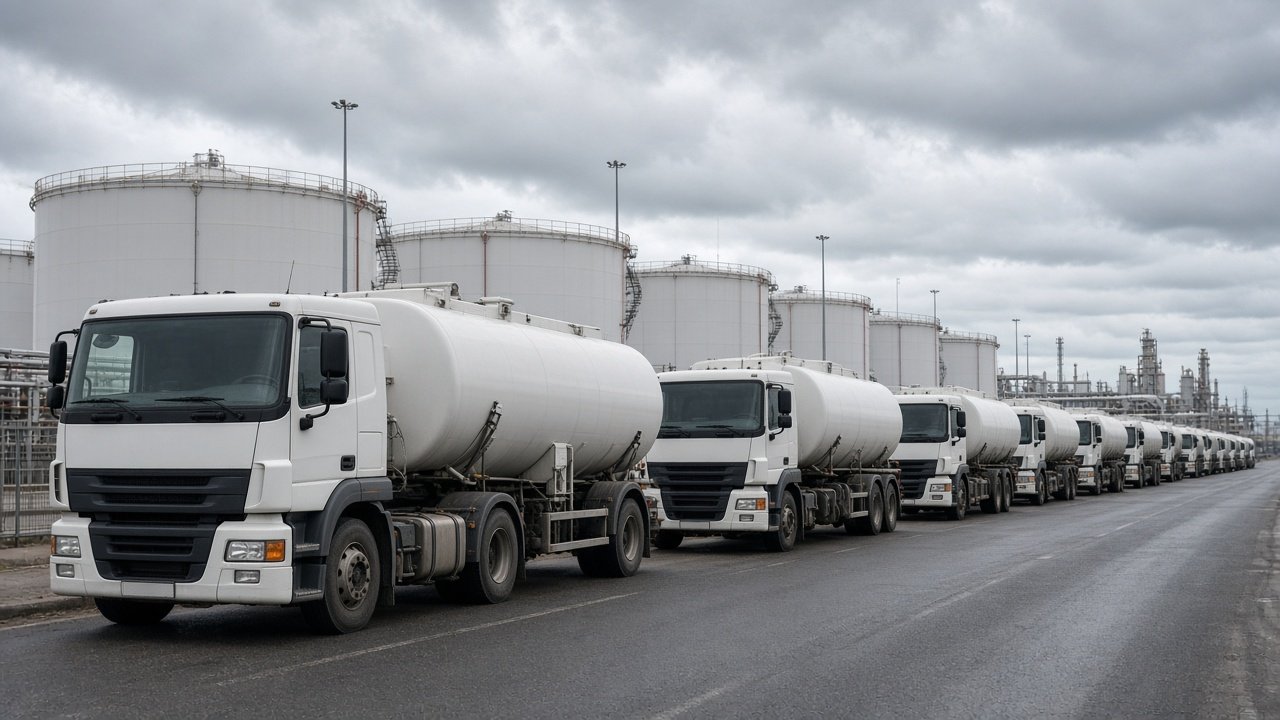
President Donald Trump announced on Friday that he had struck a deal with Russian President Vladimir Putin to buy Russian diesel, aiming to ease fuel prices, the Associated Press reported. According to AP, the deal is meant to bring fuel prices down before the November 3 US midterm elections. Trump said Russia would immediately supply more than 300,000 tons, followed by 500,000 tons in November, 1 million tons “immediately thereafter” and later 3 million tons, AP said.
The announcement landed in a tight market. Brent crude, the international benchmark, held above $104 a barrel early Monday, while US crude stood near $91.50, according to AP. Oil prices have kept swinging because of uncertainty over when the war with Iran will let the global energy industry return to normal, AP noted.
Why it matters
As AP noted, the plan runs counter to US efforts to cut the flow of money Russia gets from oil and gas sales that can be used to pay for its war against Ukraine. Congress has also passed legislation directing tariffs on importers of Russian oil.
In our view, that contradiction is the heart of the problem. Relief at the pump is a legitimate goal when Brent sits above $104 a barrel. But paying Moscow for fuel while asking allies to squeeze its energy income sends a mixed signal at the very moment Washington is also pressing for an energy ceasefire in Ukraine.
That ceasefire is itself fragile. Trump said on Sunday that Russia and Ukraine had agreed to an “energy ceasefire,” but offered no details, and Kyiv reported Russian attacks on energy sites after his statement, including a strike on a power plant in Kharkiv, AP reported. A similar claim on September 14 came to nothing. Leverage over Moscow’s energy income is one of the few tools that can make such a truce stick. Spending it for a few hundred thousand tons of diesel is a poor trade.
The price pressure is real
We do not dismiss the reason behind the deal. Energy is driving inflation back up. Forecasters expect September consumer prices to rise about 3.7% on the year, up from 3.4%, with energy prices seen climbing around 5.5% in the month, led by gasoline, investingLive reported. Businesses feel it too: Delta Air Lines cut its 2026 profit outlook as it absorbs a $6 billion increase in fuel costs this year, and US Gulf jet fuel almost doubled from a year earlier, CNBC reported.
Those are serious pressures. But they argue for a durable energy policy, not a deal whose benefits depend on deliveries Moscow controls and on a schedule nobody can yet verify.
The counterargument
Supporters can argue that more supply lowers prices for consumers everywhere, and that energy diplomacy may open doors to wider talks. Those are fair points. Yet a bipartisan group of six senators has already called for the administration to “immediately reverse course,” according to AP, which suggests the policy has not won broad support even at home.
There is also a question of credibility with allies. Washington cannot easily ask others to honour tariffs and limits on Russian oil while making its own purchases. Every exception weakens the rule.
What should happen
We think any purchase should be tied to clear, verifiable conditions on Russian conduct, limited in time and volume, and reviewed by Congress. Deliveries should be reported openly, so the public can judge whether the promised tonnage arrives and whether it lowers prices at all.
Three things remain uncertain: whether Russian deliveries arrive on the announced schedule, how Congress responds to the bipartisan call to reverse the plan, and whether lower diesel prices actually reach consumers. Until those answers are clear, short-term price relief should not be bought with long-term leverage over the war.