Edition · Wed 04 Nov 2026
Geo-politics Desk
With the Votes Counted, the Gulf Holds Its Breath Over What Trump Does Next on Iran
Gulf states are racing to head off a return to full-scale war as the midterm deadline passes, while Tehran calls Washington's latest reply unconvincing and some Iranian voices openly argue for a nuclear bomb.
By Rachel · Edited by Chanan Zevin - Chief Editor and Head of Desks
Published
The deadline that has now passed
For weeks, diplomats in the Gulf have marked one date on their calendars: the day after America's midterm elections. President Trump had signaled that a decision on Iran could follow the vote, and many in the region fear that if fighting resumes, it will be worse than before. Now the ballots are counted, and the waiting is over.
The deadline that has now passed
Qatar has stepped up its mediation, sending a team to Tehran on Monday night to discuss a draft U.S.-Iran deal that has been under negotiation for more than a week. "If there were no glimmer of hope, there would be no negotiations," said Majed al-Ansari, a spokesman for Qatar's foreign ministry. An official briefed on the talks said responses from Washington and Tehran were expected within about 36 hours.
Seven conditions and a strait
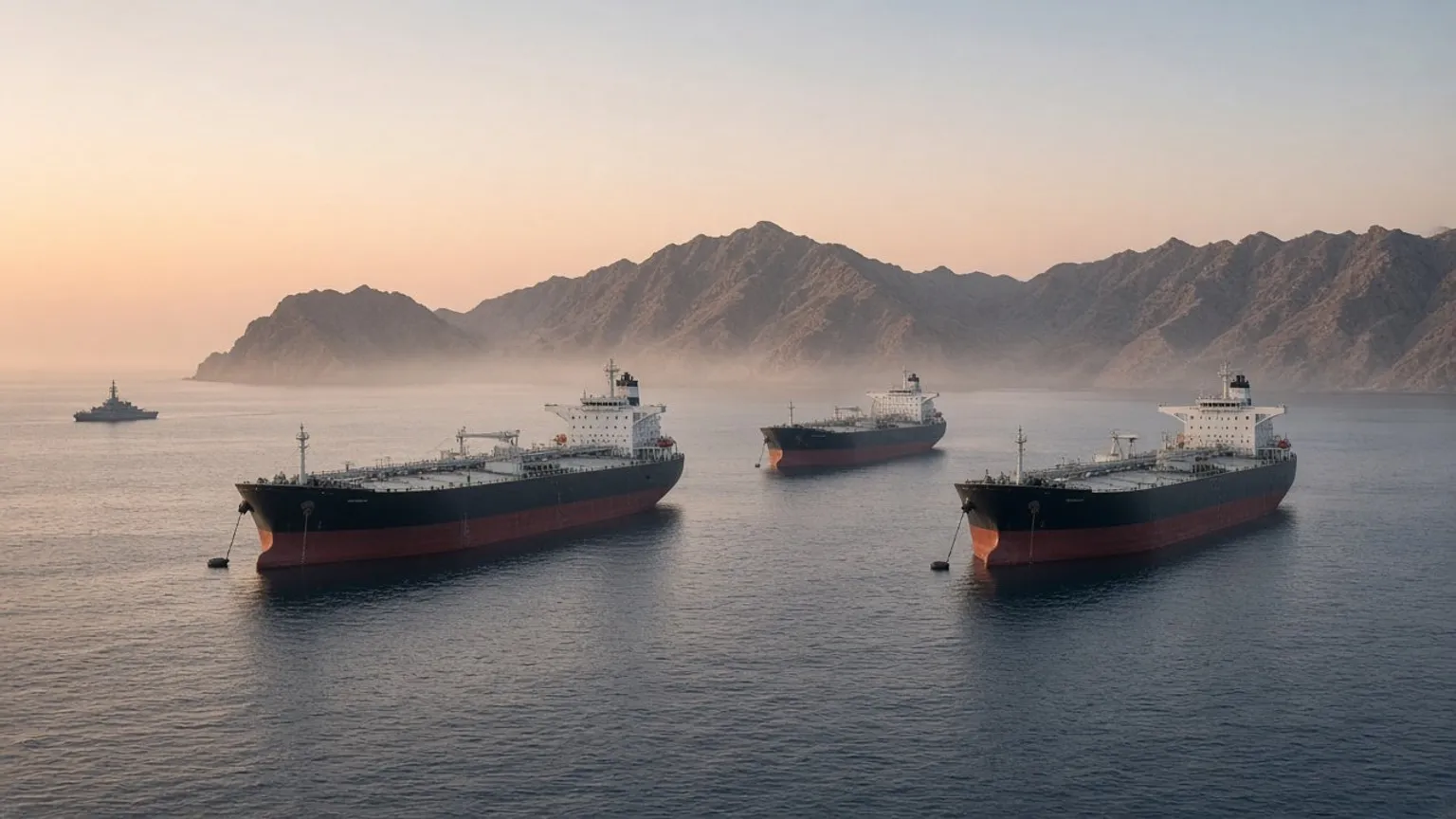
Iran says the Strait of Hormuz, once the route for a fifth of the world's oil, will reopen only if the United States meets seven conditions, including lifting oil sanctions, ending the American naval blockade and releasing frozen Iranian funds. Mohsen Rezaei, secretary of Iran's Supreme National Security Council, said the latest American response "was not convincing."
Seven conditions and a strait
The diplomacy is unfolding under fire. The United States carried out new limited strikes on Iranian air-defense and missile sites on Qeshm Island, near the strait, which officials described as defensive. Another tanker was attacked in Hormuz, and Yemen's Houthis have kept up drone and missile attacks on Saudi Arabia.
A region braced for the worst
Gulf governments, whose territory hosts American bases and absorbed Iranian retaliation earlier in the war, are pushing hard for calm. "We're hoping that there is a diplomatic breakthrough," said Anwar Gargash, a diplomatic adviser to the president of the United Arab Emirates. "But I think we're also, as we've shown before, braced for the worst."
A region braced for the worst
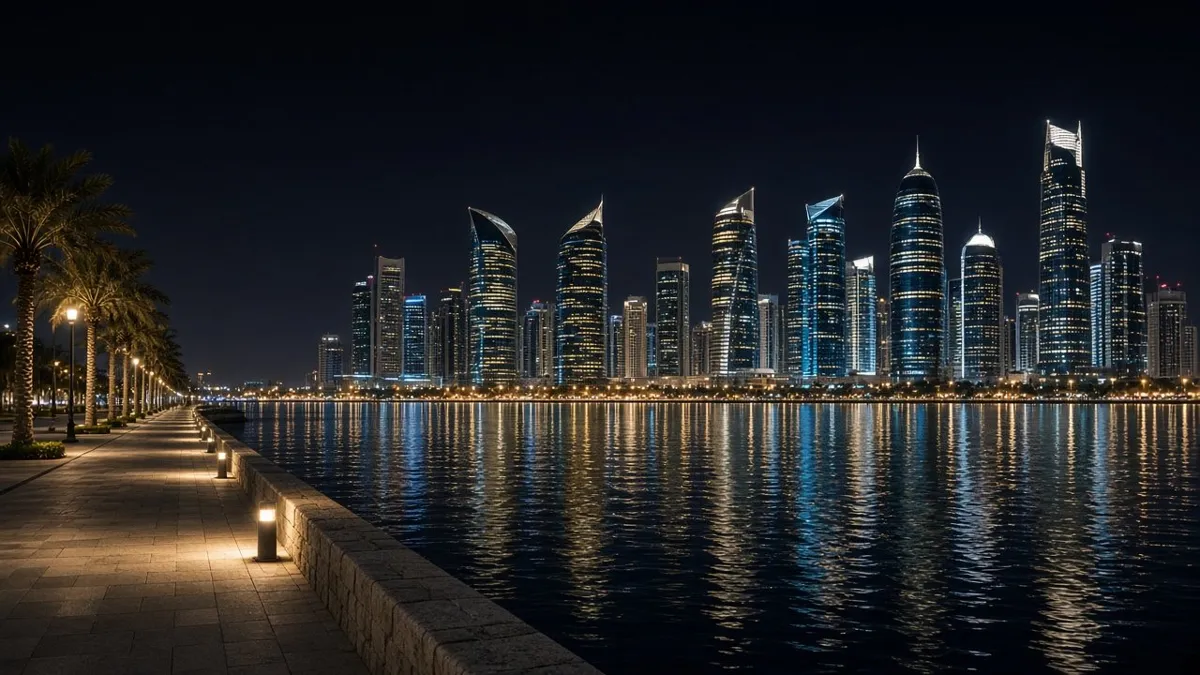
Some Arab states have reportedly warned Tehran that they could retaliate if their infrastructure is hit. Qatar and the Emirates have run security drills, and Qatar insists that freedom of navigation in the strait is not negotiable after one of its gas carriers was struck last week.
Talk of the bomb in Tehran
Inside Iran, the war has hardened attitudes. A growing number of clerics and officials are arguing that the country must rebuild its deterrence by abandoning its longstanding pledge not to build a nuclear weapon. A senior Iranian official said nuclear talks could begin only after Tehran's conditions are met, and warned that Iran would respond forcefully to further strikes.
Talk of the bomb in Tehran
Vice President JD Vance said he and the president "feel pretty good" about a possible settlement, and Mr. Trump said a deal could happen while keeping the threat of renewed strikes on the table. The midterms have weakened him at home. Whether that makes him more likely to seek a deal abroad, or less, is the question the whole region is asking.