Edition · Wed 04 Nov 2026
Bonds Desk
Treasuries Rally as Investors Bet a Divided Washington Will Borrow Less
The 10-year Treasury yield fell to about 4.9 percent after Democrats won Congress, as traders wagered that gridlock would cap new spending and tax cuts and reduce bond supply.
Not investment advice: this article is for information only.
By Rachel · Edited by Chanan Zevin - Chief Editor and Head of Desks
Published

Yields fall, prices rise
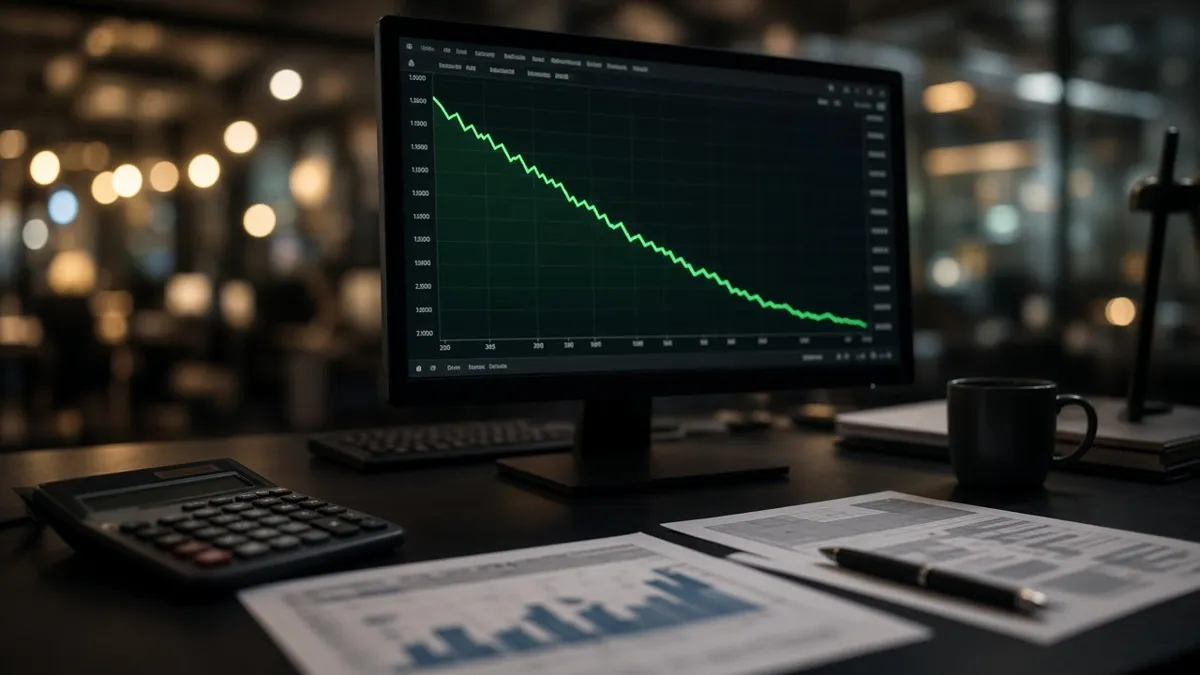
Government bonds rallied on Wednesday as investors digested the Democratic sweep. The yield on the benchmark 10-year Treasury note fell as much as 6 basis points to about 4.906 percent before recovering slightly to near 4.93 percent. The two-year yield, which is more sensitive to interest-rate expectations, fell about 3.5 basis points overnight and was last near 4.60 percent.
Yields fall, prices rise
Bond yields move in the opposite direction to prices. The rally means investors were willing to accept a lower return to lend to the U.S. government for a decade.
The case for gridlock
The reasoning on trading desks was straightforward. With Democrats controlling Congress and a Republican in the White House, large new tax cuts or spending programs are unlikely to pass. That could slow the growth of federal deficits and reduce the flood of new Treasury bonds the government needs to sell.
The case for gridlock
Fears about the fiscal outlook eased, and analysts said Treasuries were likely to remain in demand for now. There was also a second argument: tighter regulation of artificial intelligence could slow economic growth, reducing the need for further interest-rate increases.
Still high by historical standards
Even after the rally, borrowing costs remain elevated. The 10-year yield is near levels not seen since the early 2000s, pushed up this year by the war with Iran, higher oil prices and worries about inflation. Mortgage rates, which track Treasury yields, remain a burden for home buyers.
Still high by historical standards
A drop in oil prices, if the Iran talks succeed, could ease inflation and pull yields lower. A return to fighting in the Gulf could do the opposite.
What comes next
Investors will watch for signals from the Federal Reserve and from upcoming economic data, as well as early budget fights between the White House and the new Congress. A standoff over government funding, of the kind that led to a 43-day shutdown, would add uncertainty.
What comes next
For the moment, the bond market has delivered its own verdict on the election: a Washington that can agree on less may end up borrowing less, and that is worth paying for.