Edition · Thu 05 Nov 2026
Stocks Desk
The Dow's Best Post-Midterm Day Since 1982, and Why the AI Trade Did Not Join the Party
Wall Street cheered divided government, a falling oil price and the prospect of a quieter Gulf. But the companies building the AI boom slipped, and on Thursday the selling hit chipmakers in Seoul and Tokyo hard.
Not investment advice: this article is for information only.
By Rachel · Edited by Chanan Zevin - Chief Editor and Head of Desks
Published
A historic rally
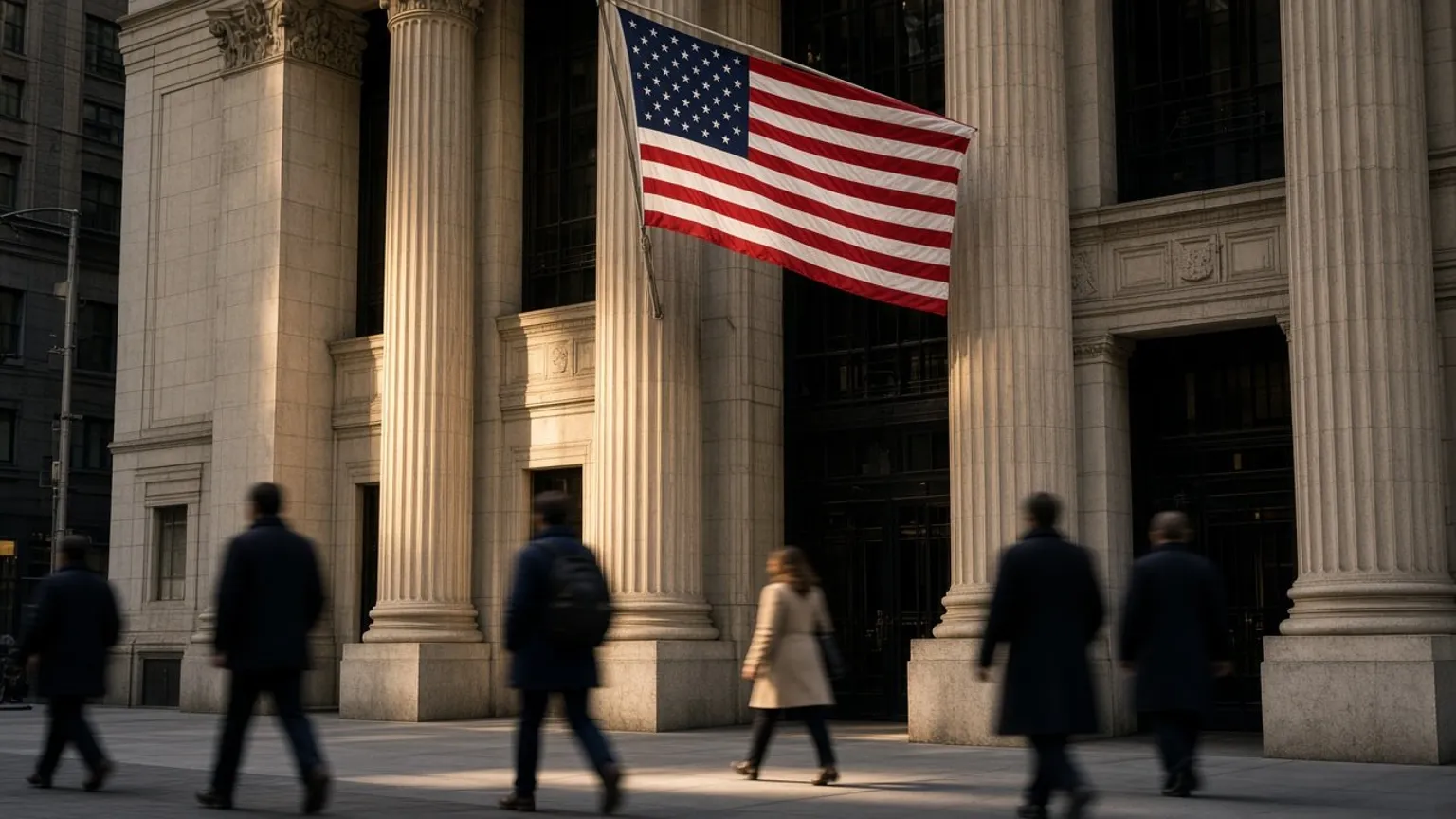
Investors greeted the Democratic sweep with one of the strongest sessions of the year. The Dow Jones Industrial Average jumped 1,569 points, or 3 percent, on Wednesday, its best day since April 2025 and its biggest single-day gain after a midterm election since 1982, according to CFRA Research. The S&P 500 rose 1.58 percent and the Nasdaq Composite 1.44 percent. The VIX, Wall Street's fear gauge, sank almost 20 percent.
A historic rally
Stock futures had fallen on Tuesday night before turning higher overnight, as traders embraced the certainty of a decisive result and President Trump's statement that he would accept it. "The combination of a large Democratic majority in Congress and President Trump's statement that he is willing to work with the opposition should act as a break on extreme policy outcomes and bring down risk premia," said George Saravelos of Deutsche Bank.
Gridlock, oil and the war
Several forces lifted shares at once. Investors warmed to the prospect of policy gridlock, which can restrain government spending and make the outlook more predictable. Oil prices tumbled after Vice President JD Vance blamed the Iran war for the defeat, raising hopes of de-escalation. Bond yields fell.
Gridlock, oil and the war
"A Democratic-controlled Congress would significantly constrain Trump's legislative agenda, particularly on taxes, fiscal stimulus and spending," said Charu Chanana of Saxo. "But Democrats would not have a free hand to rewrite policy either, because Trump retains veto power."
The losers
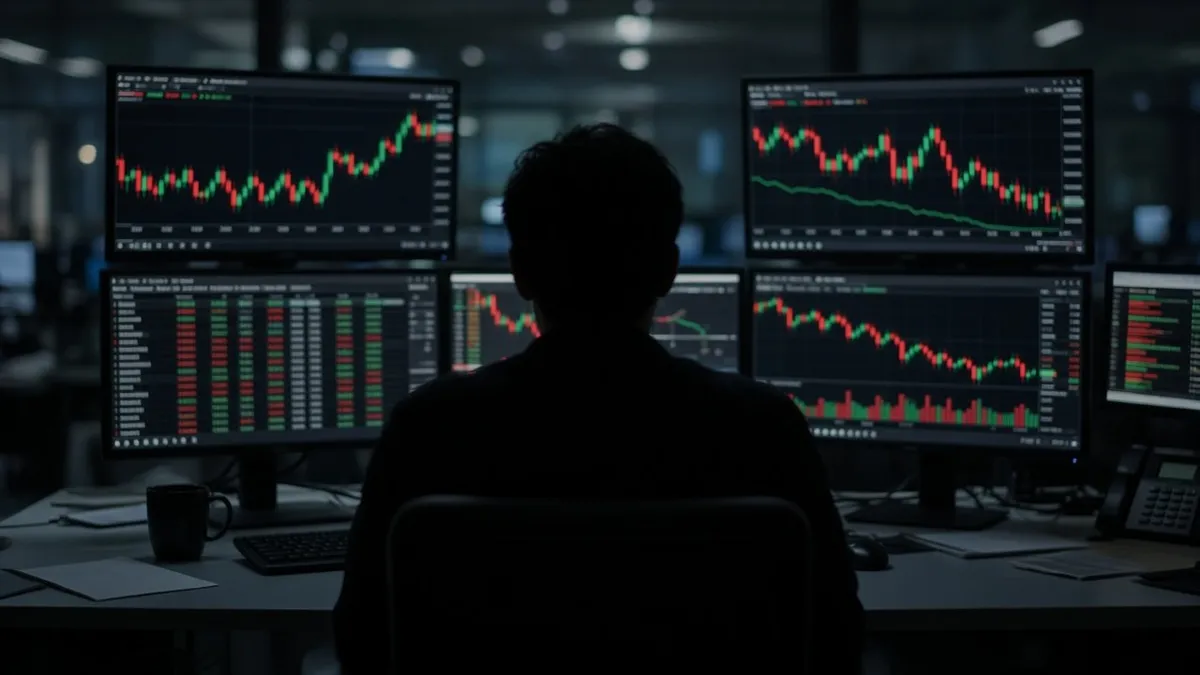
Not everyone rallied. Companies tied to the data center buildout fell as voters in dozens of places restricted the facilities. Nvidia lost 3 percent, an AI infrastructure fund dropped 9 percent, CoreWeave sank about 10 percent and Nebius 6.7 percent. Tesla fell about 3.3 percent and SpaceX 3.9 percent. CVS Health tumbled 12.5 percent after announcing that it would split into two companies, in a breakup planned for 2028 that would separate its pharmacies from its insurance and pharmacy benefits businesses.
The losers
Shares of Trump Media & Technology Group, the parent of Truth Social, plunged 24 percent to a record low. Tesla and SpaceX also fell after the candidates Elon Musk backed lost in Texas, where Mr. Musk had spent more than $200 million on the Senate race.
Asia's mixed Thursday
The AI selling spread to Asia on Thursday. South Korea's Kospi fell about 5 percent, triggering a temporary trading halt, as SK Hynix and Samsung Electronics slid sharply. Japan's Nikkei lost about 1.5 percent and Taiwan's market fell nearly 3 percent. Hong Kong went the other way: the Hang Seng rose about 2.4 percent and its tech index about 4.5 percent.
Asia's mixed Thursday
Traders now turn to Friday's US jobs report. With futures markets pricing a high chance that the Federal Reserve raises rates in December, a strong number could test the rally. For now, Wall Street has made its view clear: it prefers a divided Washington, and a quieter Gulf.