Edition · Thu 05 Nov 2026
Forex Desk
The Dollar Slides to Its Lowest Since September as Traders Bet on Gridlock and a Quieter Gulf
The greenback fell for a second day after the Democratic sweep, pushing the euro, the yen and sterling higher, as investors priced in less government borrowing and a possible end to the Iran war.
Not investment advice: this article is for information only.
By Rachel · Edited by Chanan Zevin - Chief Editor and Head of Desks
Published
A second day of losses
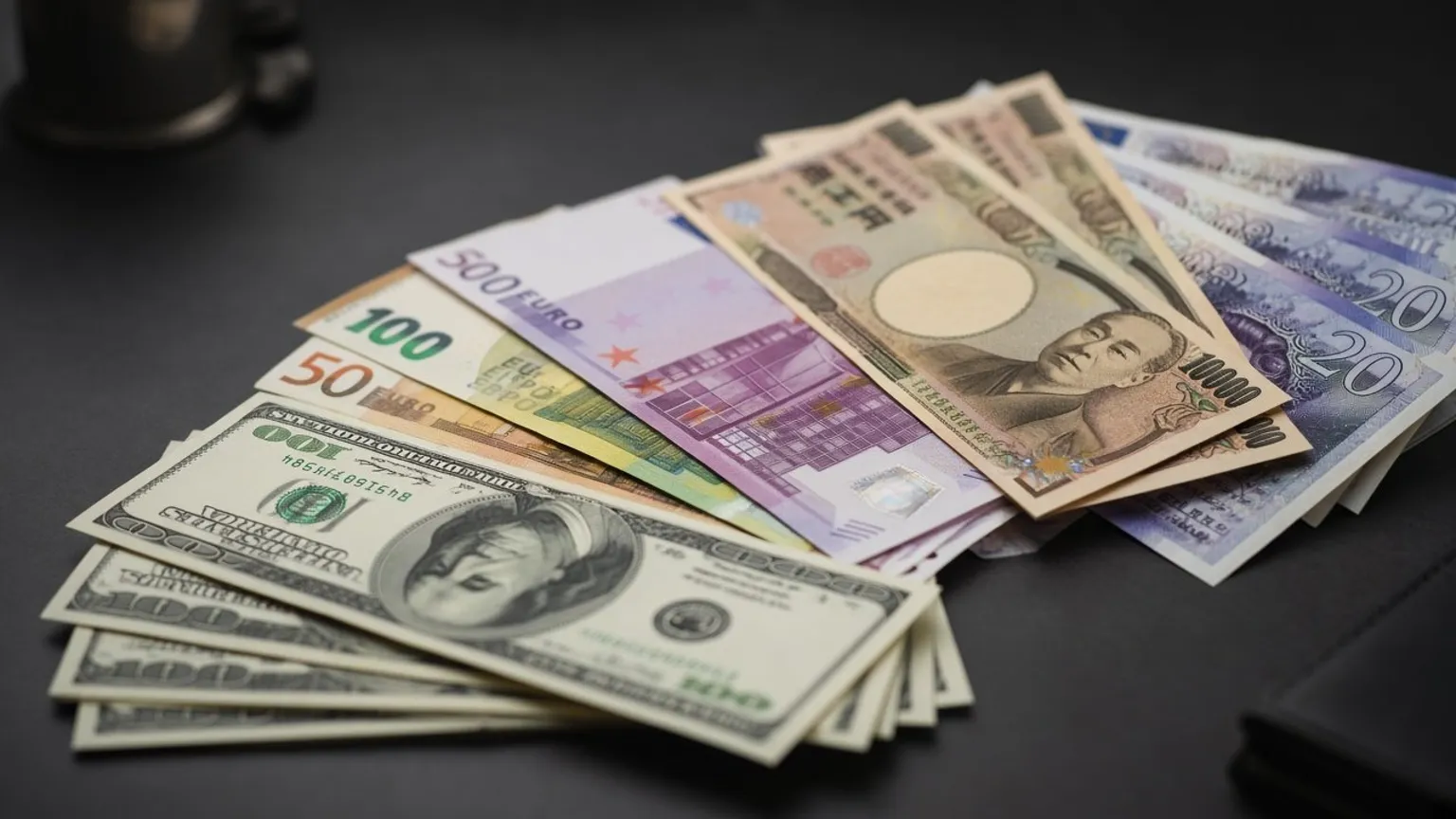
The dollar weakened again on Thursday, extending its post-election slide. The dollar index, which measures the currency against six major peers, fell about 0.2 percent to around 101.25, its lowest level since 30 September, after losing about 0.3 percent on Wednesday.
A second day of losses
Traders said the decisive Democratic victory had lowered the odds of large new tax cuts or spending programs, which would require heavy borrowing, and raised hopes that Washington might move to end the war with Iran. Both ideas point to lower Treasury yields, which reduce the dollar's appeal.

The euro, the yen and the pound
The euro rose to around $1.126. The yen strengthened to about 157.95 per dollar, and the Swiss franc firmed to around 0.817. The British pound climbed to about $1.349, its seventh straight daily gain, ahead of a Bank of England policy decision on Thursday. The Australian dollar traded near 70 US cents and the New Zealand dollar rose about 0.4 percent.
The euro, the yen and the pound
In Japan, the Bank of Japan released minutes of its latest policy meeting, at which it held its policy rate at 1.25 percent. In China, the offshore yuan traded firmer, near 6.67 per dollar.
The euro, the yen and the pound
Emerging-market currencies broadly benefited from the weaker dollar and the fall in oil prices, which eases pressure on energy importers. For countries that buy most of their fuel abroad, a lower crude price helps both inflation and trade balances.
What the strategists say
"The combination of a large Democratic majority in Congress and President Trump's statement that he is willing to work with the opposition should act as a break on extreme policy outcomes and bring down risk premia," said George Saravelos, global head of currency research at Deutsche Bank.
What the strategists say
Deutsche Bank analysts added that divided government had generally made it harder to pass fiscal stimulus, which "eased concerns on the fiscal trajectory a bit." Lower risk premiums tend to weigh on the dollar, which often benefits from periods of fear.
The Fed and Friday's jobs data
The dollar's next move may depend on the Federal Reserve. Futures markets tracked by CME's FedWatch tool show a high probability, around 80 percent, that the central bank raises interest rates in December, a prospect that would normally support the currency. Friday's US jobs report will be closely watched.
The Fed and Friday's jobs data
A weaker dollar has mixed effects for Americans. It makes imports and foreign travel more expensive, but it helps American exporters and raises the value of overseas earnings for multinational companies when they are converted back into dollars.
The Fed and Friday's jobs data
For now, currency markets are sending a simple message: investors see divided government and a less aggressive foreign policy as reasons to own a little less of the dollar.