Edition · Wed 28 Oct 2026
AI Desk
OpenAI Goes Shopping for Google's Chips, and Nvidia's Monopoly Gets a Rival
OpenAI plans to buy Google TPUs outright, deepening its move beyond Nvidia GPUs as hyperscaler compute becomes a multi-vendor market.
Chanan Zevin - Chief Editor and Head of Desks
Published
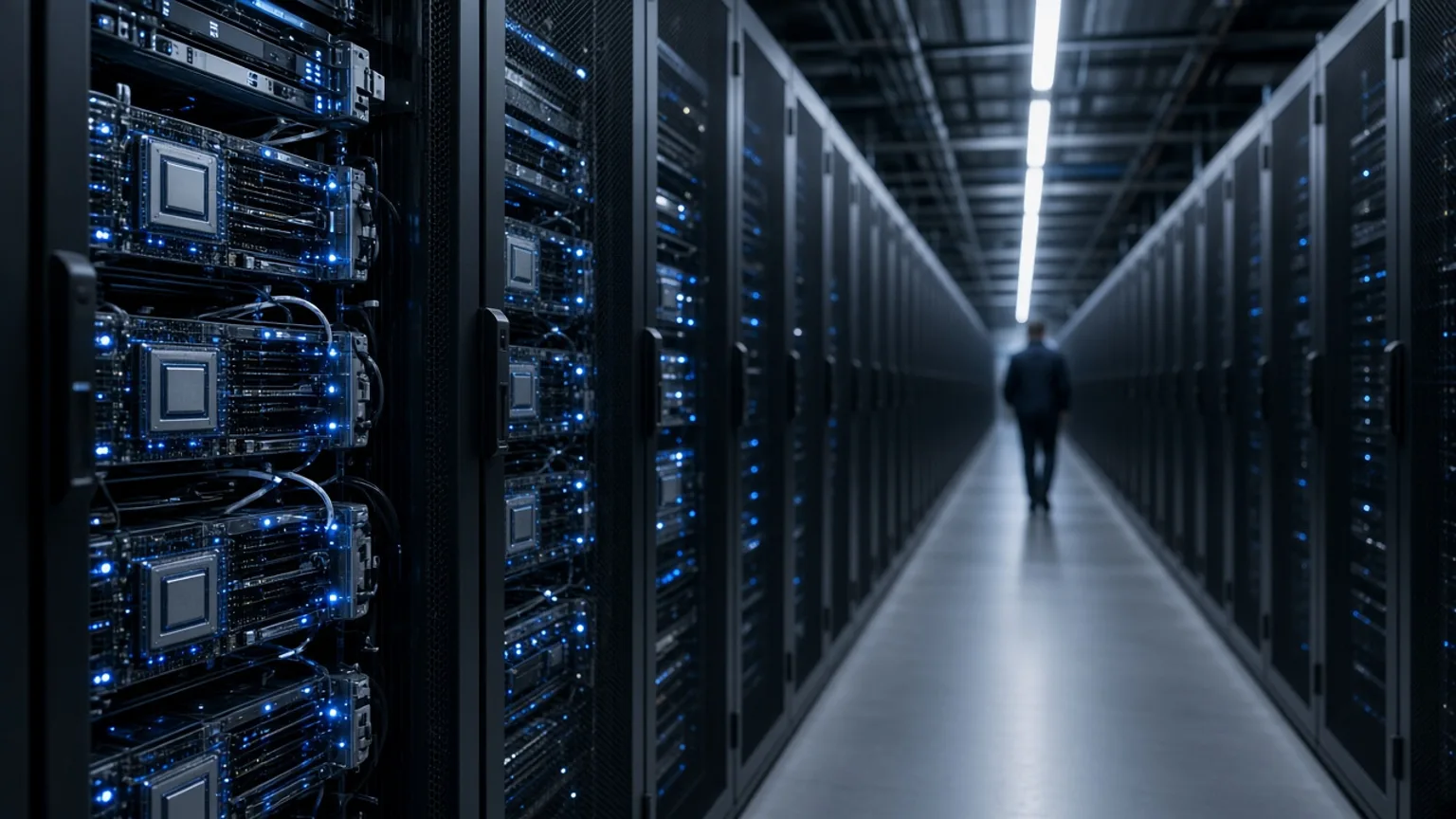
OpenAI broadens hardware sourcing beyond Nvidia
OpenAI plans to buy Google's artificial intelligence chips on Tuesday, citing a person familiar with the matter, as technology firms expand infrastructure to meet heavy computing demand. Google did not immediately respond to a request for comment outside regular business hours, while OpenAI declined to comment, and the initial report did not disclose financial terms or transaction volumes.
OpenAI broadens hardware sourcing beyond Nvidia
For markets and enterprise buyers, the arrangement signals a decisive structural shift in Nvidia's dominance over advanced artificial intelligence silicon, validating Google's Tensor Processing Units as a commercially viable alternative for leading frontier labs while granting software developers pricing leverage and multi-vendor resilience against severe capacity bottlenecks.
OpenAI broadens hardware sourcing beyond Nvidia
OpenAI is already established as one of the largest corporate buyers of Nvidia graphics processing units, which the company deploys to train and operate its artificial intelligence models. The ChatGPT creator had previously started renting Google's processors in June 2025, and confirmed last week that it would make its frontier models accessible via Google Cloud.
Alphabet and cloud rivals commit up to $600 billion
Google's Tensor Processing Units have gained traction across the industry as enterprises look for cheaper alternatives to Nvidia's market-leading hardware. Google started selling the custom processors directly to external customers this year, securing hardware deals with companies such as Anthropic, though Alphabet Chief Financial Officer Anat Ashkenazi previously stated that Alphabet expects to recognise only a small percentage of revenue from TPU sales agreements by the end of this year, with the vast majority recognized in 2027.
Alphabet and cloud rivals commit up to $600 billion
The direct procurement initiative coincides with massive infrastructure budgets across the largest technology conglomerates. Amazon, Microsoft, and Google parent Alphabet plan to spend as much as $600 billion combined this year on artificial intelligence infrastructure, as public equity investors increasingly evaluate when these capital expenditures will produce measurable financial returns.
Alphabet and cloud rivals commit up to $600 billion
OpenAI has also moved to reduce its single-source exposure through in-house hardware engineering. In June, the company unveiled its first custom artificial intelligence chip designed in partnership with Broadcom, stating an objective to deploy the processor by the end of this year under an ongoing multi-generation chip programme.
Wall Street tracks tech earnings and interest rate decisions
Financial markets digested the computing shift on Wednesday as investors awaited quarterly financial reports from Alphabet and Microsoft after the closing bell. S&P 500 futures rose 0.2% and Nasdaq 100 futures gained 0.4% as of 8:35 a.m. New York time, buoyed by strong earnings from South Korean memory manufacturer SK Hynix Inc..
Wall Street tracks tech earnings and interest rate decisions
Jai Malhi at Vanda Research said that capital expenditure guidance from major hyperscalers remains a primary risk for investors following a recent rotation back into technology equities. In trading tied to data infrastructure, shares of power and cooling equipment manufacturer Vertiv Holdings Co. surged 15% in premarket trading after raising full-year adjusted earnings guidance, while semiconductor equipment maker ASM International NV rose as much as 5% following an upgraded corporate outlook.
Wall Street tracks tech earnings and interest rate decisions
Broader markets remained sensitive to policy and macroeconomic signals, with the Federal Reserve widely expected to hold interest rates unchanged on Wednesday. Research director Kathleen Brooks at XTB cautioned that United States interest rates were seen rising as much as 75 basis points over the next year, while the yield on 10-year Treasuries stood little changed at 4.99% and West Texas Intermediate crude climbed 1.9% to $101.78 a barrel.