Weekend Edition · Fri 16 Oct 2026
Lower Treasury Yields, Hotter Inflation: A Weekend Guide to the Crosscurrents
Two inflation reports in two days came in hot, and Treasury yields fell anyway. There is no single proven explanation; here is what was observed on Thursday, what moved, and how yields, prices and rate expectations differ.
Chanan Zevin - Chief Editor and Head of Desks
Published
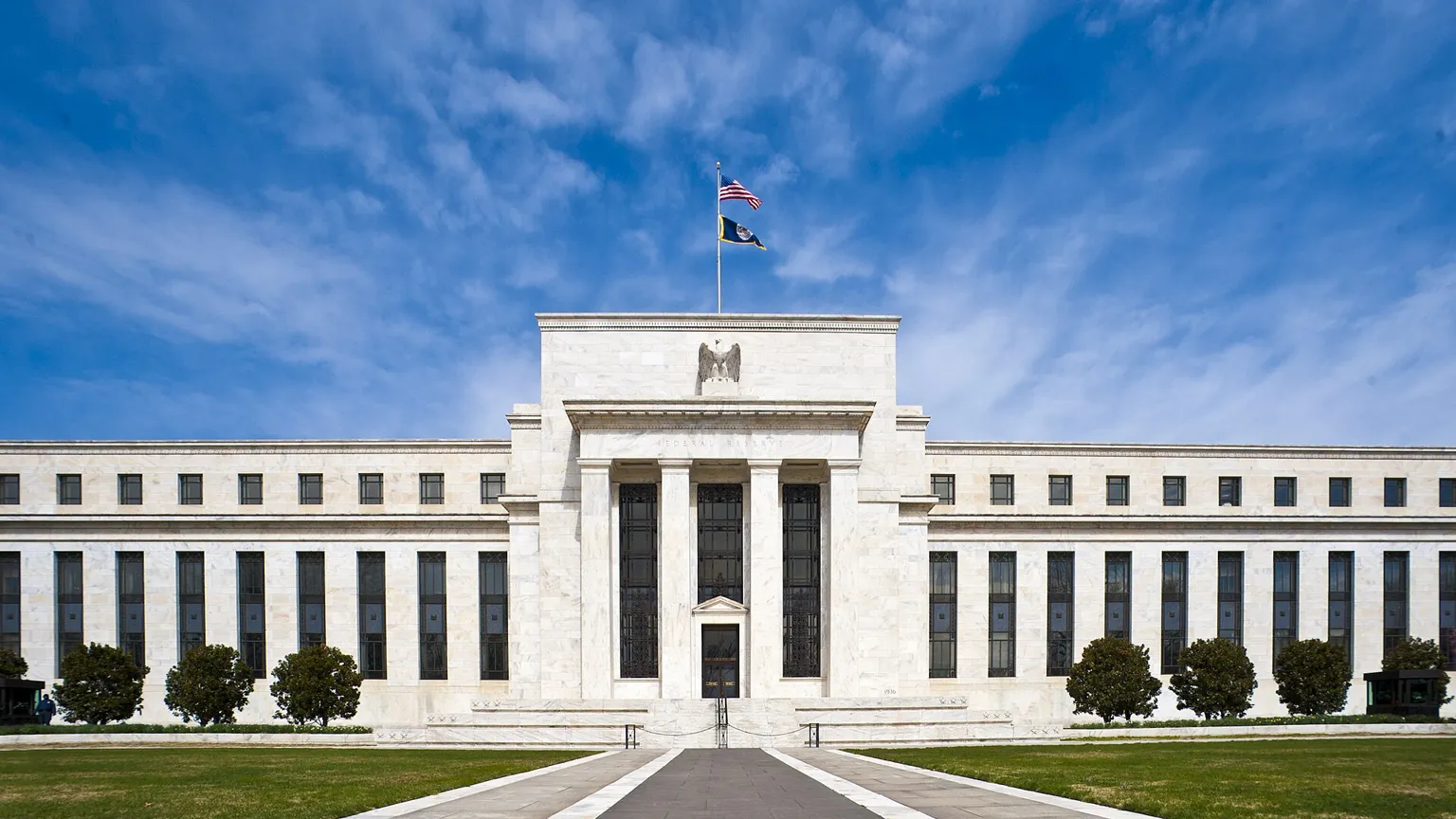
What happened on Thursday
The benchmark 10-year Treasury yield fell about 10 basis points on Thursday, October 15, to around 5.09%. Sharecast put the close at 5.086%, the biggest daily drop in over a year; CNBC reported the 30-year yield down more than 9 basis points to 5.428% and the 2-year down more than 4 basis points to 4.757%. These are Thursday observations; Friday's US session had not begun at our cutoff, so this guide keeps Thursday's close as its time boundary.
The move came the day after the Bureau of Labor Statistics reported that consumer prices rose 0.6% in September and 3.7% over twelve months, and on the same morning that producer prices for final demand rose 1.3% on the month, the largest monthly gain since March 2022, and 6.3% year on year.
Yields, prices and expectations are not the same thing
A bond's yield and its price move in opposite directions. A fall in yields means buyers paid more for existing Treasuries. It does not, by itself, say what investors expect the Federal Reserve to do; that is better read from fed funds futures and short-dated yields such as the 2-year.
Here the signals were mixed. The 10-year fell more than the 2-year, so the curve flattened. CNBC reported that fed funds futures still priced at least one more quarter-point increase by year end, with the current range at 3.75% to 4.00%. A separate Reuters-sourced report on Friday cited CME FedWatch showing a 72% probability of no change at the October meeting.
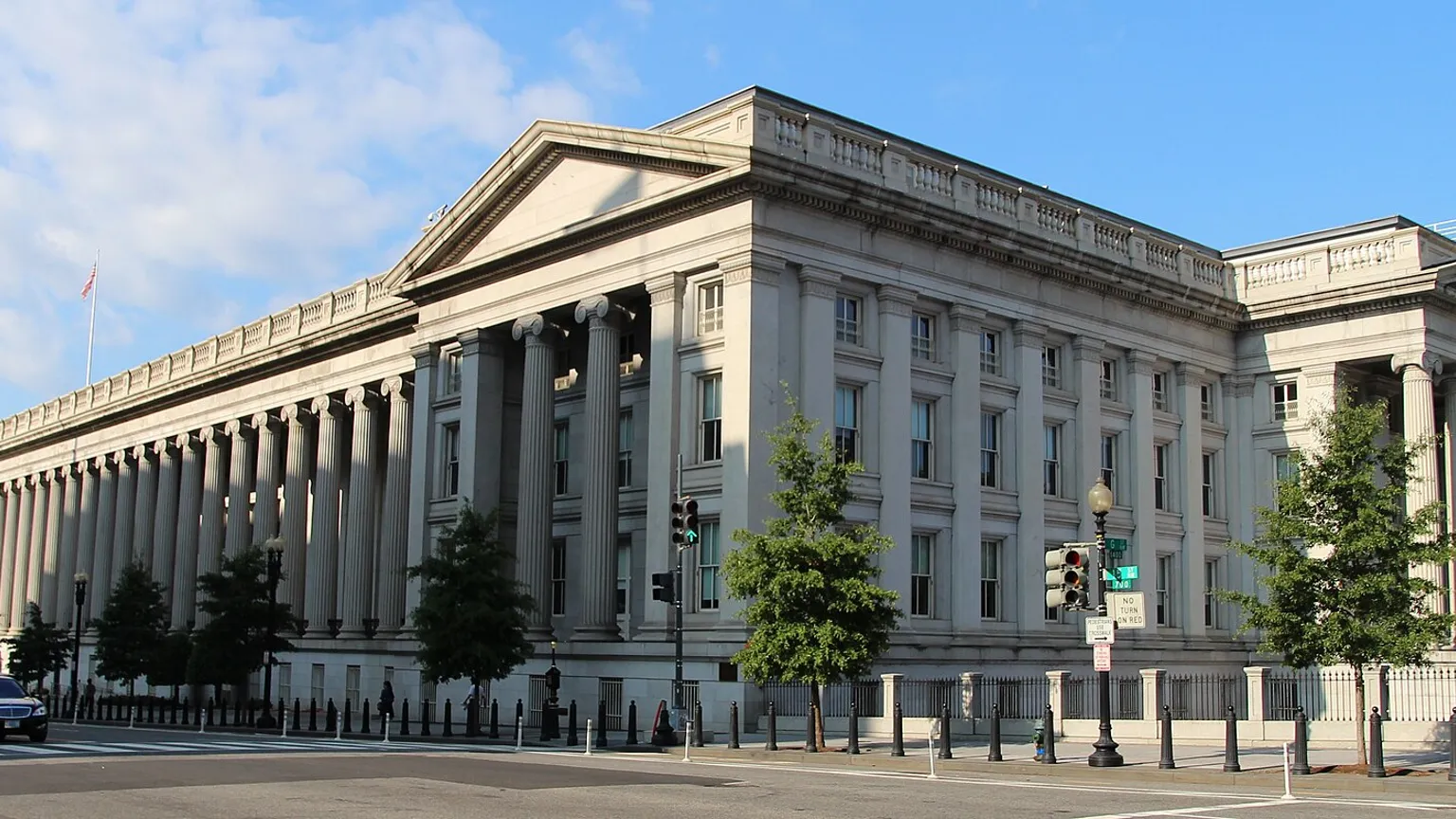
Candidate explanations, none proven alone
Several forces were reported at once. CNBC described a flight to safety as investors sold technology shares. FinancialMarkets.com pointed to retail sales: the headline rose 0.8% in September, but the control group that feeds GDP rose just 0.1% against 0.3% expected, a sign of softer underlying spending, while gasoline did much of the lifting in the headline. Comments a day earlier from Fed Vice Chair for Supervision Michelle Bowman, who said she felt no urgency for further action, were also part of the backdrop.
Each of these is plausible; none can be isolated as the cause from a single day's trading. Long yields can also fall when investors worry about growth more than inflation, which is consistent with a flatter curve, but that is an interpretation rather than an established fact.
Why it matters
For borrowers, a 5% 10-year yield remains high in recent history, and one day's rally does not change mortgage or corporate funding costs much. For investors, the crosscurrent is the story: inflation data argue for tighter policy, while the long end of the curve is pricing something more cautious about growth or risk.
What to watch
Fed Chair Kevin Warsh was scheduled to speak at an IMF event in Bangkok late Thursday US time, ahead of the Fed's pre-meeting quiet period, which starts on Saturday. The Federal Open Market Committee meets on October 27-28. The October CPI report is due on November 10.