Edition · Wed 04 Nov 2026
Commodities Desk
Gold Jumps Past $4,000 and Oil Hovers Near a Four-Week Low as Washington Changes Hands
Gold rose 2.4 percent as the dollar weakened after the midterms, while oil swung in a narrow range as traders weighed peace talks over Iran and Ukraine against the risk of new attacks on supply.
Not investment advice: this article is for information only.
By Rachel · Edited by Chanan Zevin - Chief Editor and Head of Desks
Published

Gold shines on a weak dollar
Gold was the clear winner of the morning after the election. Spot gold climbed 2.4 percent to about $4,022 an ounce as the dollar slid to a one-month low and investors sought safe havens. Silver also rose. A weaker dollar makes metals priced in dollars cheaper for buyers using other currencies.
Gold shines on a weak dollar
Analysts said the scale of the Republican losses would raise questions about President Trump's ability to pass his agenda, putting pressure on the dollar and lifting demand for assets seen as stores of value.
Oil caught between war and peace
Oil prices were choppy. On Tuesday, Brent crude fell $1.17, or 1 percent, to settle at $103.60 a barrel, its lowest close since Oct. 7. West Texas Intermediate settled at $96.09, its lowest since Oct. 14. On Wednesday, Brent swung on both sides of that level, trading as high as about $104.40 and as low as about $102.90.
Oil caught between war and peace
Traders are balancing two forces. Qatar-mediated talks between Washington and Tehran have raised hopes that the Strait of Hormuz, once the route for a fifth of the world's oil, could reopen. But a fresh tanker attack in the strait and new American strikes on Qeshm Island are reminders that the war has not ended. "It's probably too early to think escalation risks have passed," analysts at ING wrote.
A surprise draw in U.S. stocks
Industry data offered some support. U.S. crude inventories fell by about 5.3 million barrels in the week to Oct. 30, according to market sources citing the American Petroleum Institute, while analysts had expected a rise of about 900,000 barrels. Official government figures are due later on Wednesday.
A surprise draw in U.S. stocks
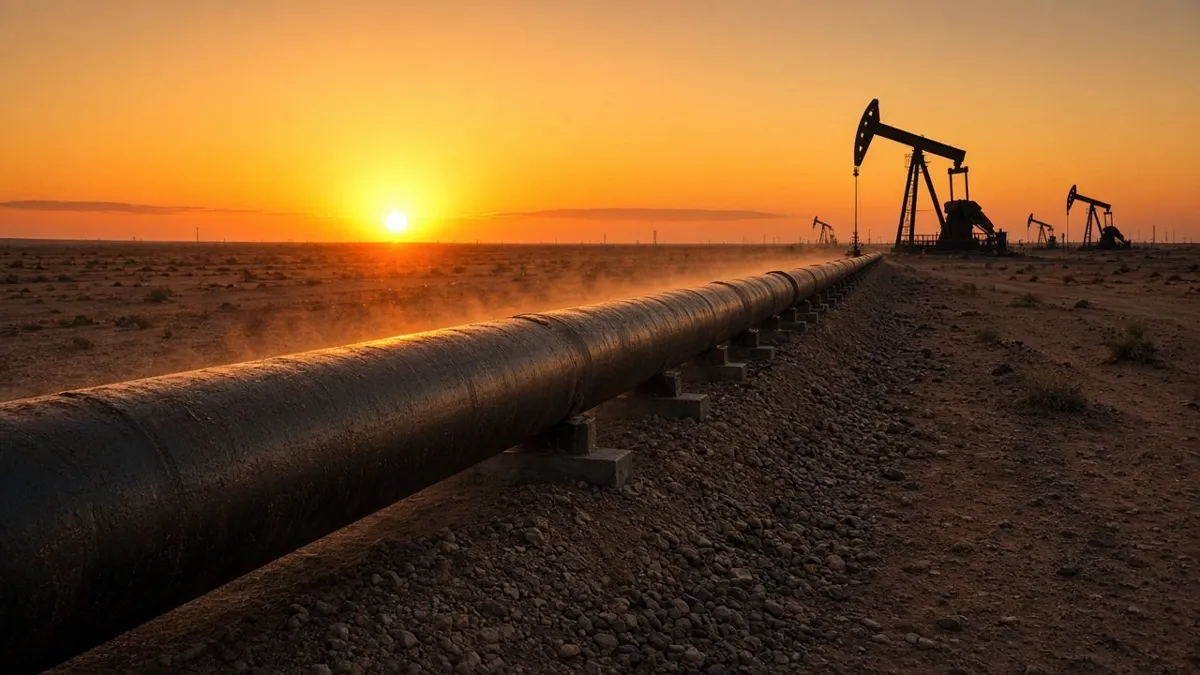
Saudi Aramco, meanwhile, is expanding a pipeline that lets crude bypass the Strait of Hormuz and reach the Red Sea, a sign that Gulf producers are planning for a long period of risk in the waterway whatever happens in the talks.
The pain at the pump
High fuel prices have become a political issue in their own right. Gasoline and diesel costs driven up by the war were a constant theme on the campaign trail, and many voters said the price of filling a tank shaped their choice on Tuesday.
The pain at the pump
For the oil market, the next move depends less on Congress than on the White House. A signed deal with Iran could push prices sharply lower. A return to war could send them soaring again.