Edition · Wed 04 Nov 2026
Stocks Desk
Blue Wave, Red Screens: Democrats' Sweep Jolts the AI Trade From Tokyo to Wall Street
Global stocks slid and Nasdaq futures briefly fell more than 2 percent as investors bet that a Democratic Congress will bring tougher scrutiny of the artificial intelligence boom.
Not investment advice: this article is for information only.
By Rachel · Edited by Chanan Zevin - Chief Editor and Head of Desks
Published
A nervous morning
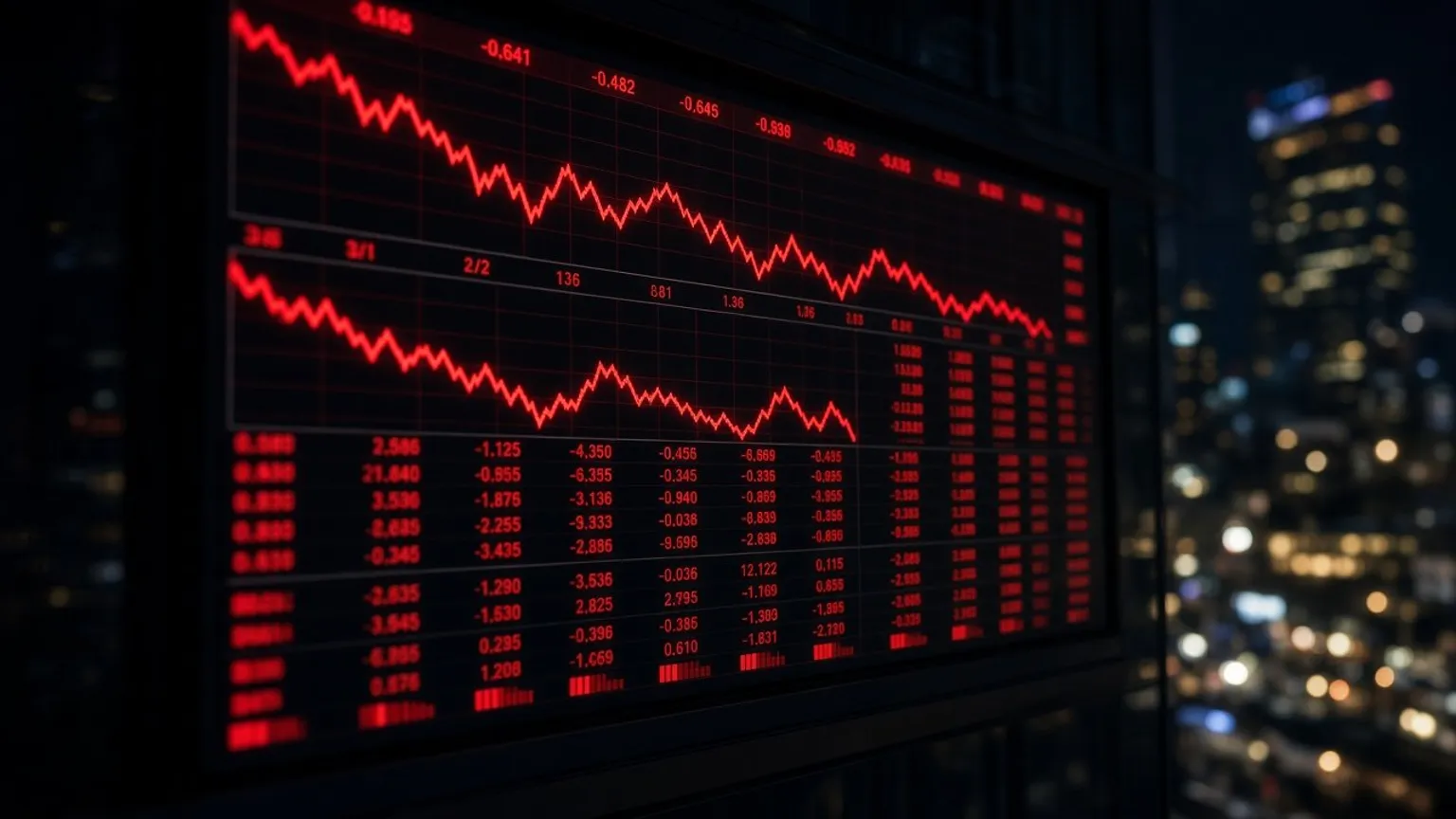
Markets woke up to a new Washington on Wednesday and did not like what they saw, at least at first. As Democrats captured both the House and the Senate, futures on the Nasdaq 100 skidded more than 2 percent overnight before cutting their losses to trade about 0.5 percent lower. S&P 500 futures were down about 0.35 percent, and European stock futures, which had dropped 1.5 percent at one point, were off about 0.4 percent.
A nervous morning
The main worry was not gridlock itself, which investors have often welcomed, but what a Democratic Congress could mean for the artificial intelligence industry, the engine of the stock market's gains over the past two years. Many investors expect new regulation and closer oversight of AI companies' spending, power use and data centers.
Chipmakers in the firing line
In Asia, selling was concentrated in AI and semiconductor stocks. Samsung, SK Hynix and TSMC dropped sharply before recovering part of the losses. South Korea's Kospi fell as much as 3 percent before edging back into positive territory. Japan's Nikkei 225 lost between 1.4 percent and 3 percent during the session, moving closer to bear-market territory, while Hong Kong's Hang Seng rose about 1.3 percent.
Chipmakers in the firing line
The market was fragile even before the votes were counted. The Nasdaq 100 entered a correction for the third time this year on Tuesday, amid doubts about whether the vast sums being spent on AI will pay off.
Why gridlock can be good
Analysts noted that markets often favor divided government, because it reduces the chance of sweeping policy changes. "A divided US government has often been the best outcome for markets, and we are staring that squarely in the face today," one market strategist said. President Trump's statement that he would accept the results also removed the threat of a long legal fight over the outcome.
Why gridlock can be good
Business leaders had been preparing for a Democratic sweep, gaming out its effect on data centers, cryptocurrency and taxes. A Congress that cannot pass large new spending or tax cuts could also mean less government borrowing.
What to watch
Investors will now look for early signals from Democratic leaders on AI rules and on trade, and for the Federal Reserve's reading of a slowing economy. Earnings from major technology companies will test whether the AI boom can keep delivering.
What to watch
For now, the message from the trading floors was clear: the AI trade had priced in a friendly Washington, and that Washington no longer exists.