Tuesday Edition · Tue 20 Oct 2026
Ben-Gvir's Jewish Power Draws Young Urban Voters a Week Before Israel's 27 October Election, Polls Show
Itamar Ben-Gvir's far-right party is gaining support beyond its traditional settler base, particularly among younger voters in cities, according to polls cited by Reuters. With a week to go, neither of Israel's main blocs is projected to win a majority.
Chanan Zevin - Chief Editor and Head of Desks
Published
The shift
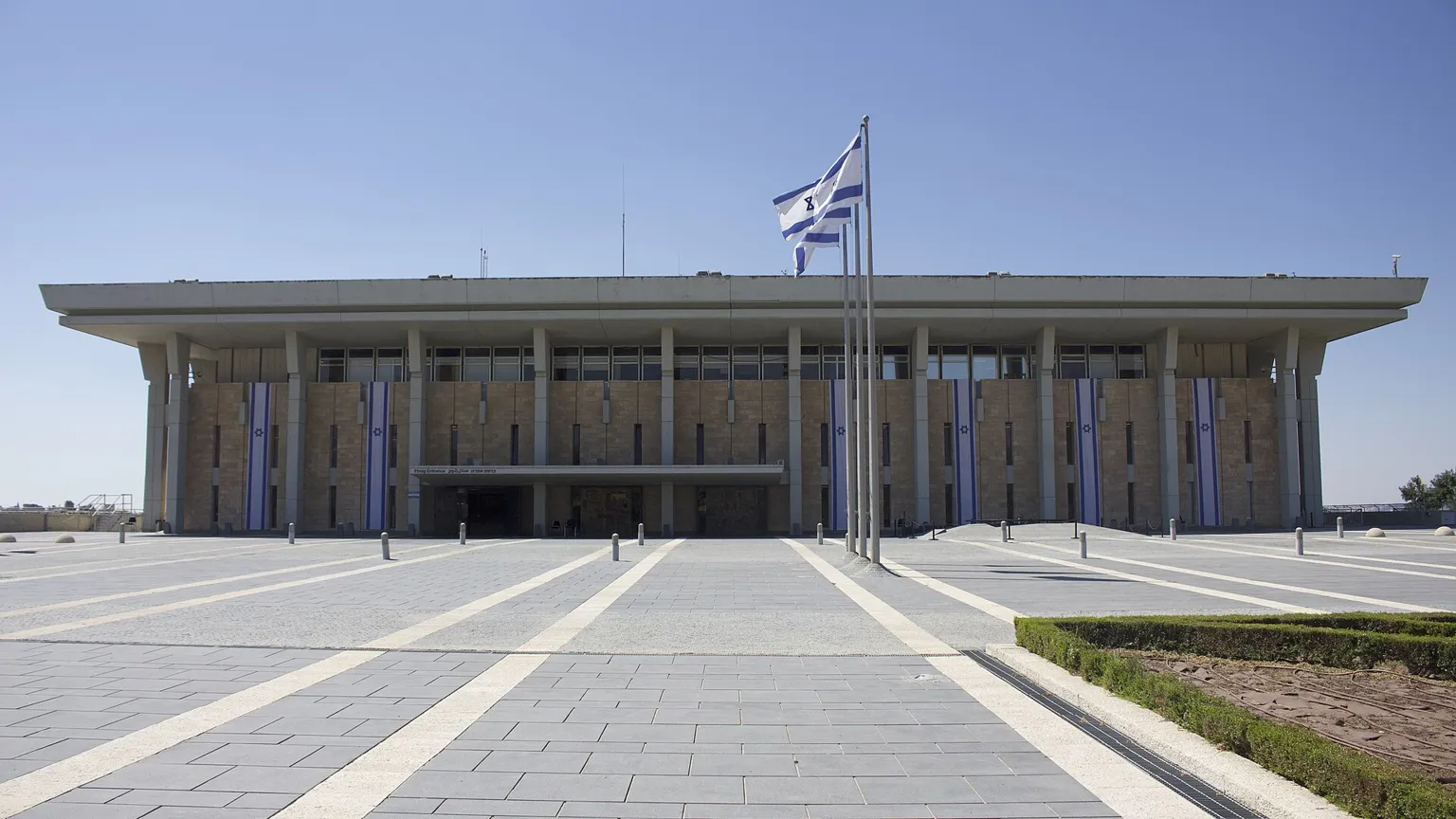
Polls show Jewish Power, the party led by National Security Minister Itamar Ben-Gvir, gaining support among younger and urban voters, Reuters reported on Tuesday. The party is forecast to win eight or more seats running alone in the 120-seat Knesset. Its traditional base has been in West Bank settlements. Growth in cities would make it a larger force in any coalition talks.
First-time voters
Research by Hebrew University's Agam Labs found that as many as a third of Jewish Power's supporters would be first-time voters, according to Reuters. That suggests the party is drawing new participants rather than only taking votes from other right-wing lists. Young voters often turn out at lower rates, so the final result will depend on mobilisation on election day.
Likud's projected losses
Likud, led by Prime Minister Benjamin Netanyahu, is projected to lose about a third of its 32 seats, Reuters reported, citing polls. Neither the bloc supporting Netanyahu nor the opposing bloc reaches the 61 seats needed for a majority in the current projections. The Journal reported on Monday that recent polls put Netanyahu's bloc at 51 seats.
How the system works
Israel uses a national list system with a threshold of 3.25% of the vote, Al Jazeera's explainer notes. Parties below that line win no seats, and their votes are lost to their bloc. That makes small parties near the threshold decisive. Lists in this election include Likud, Yashar, Together, Yisrael Beiteinu, the Democrats, the Haredi parties, Otzma Yehudit, Religious Zionism, Ra'am and the Joint List.
Running alone
Jewish Power is running separately from Religious Zionism, its former partner. Running alone carries a risk for the right-wing bloc. If Religious Zionism falls below the threshold, the bloc could lose seats even if total right-wing support is unchanged. Forecasts of eight or more seats for Jewish Power do not remove that risk.
Reading the polls carefully
Seat forecasts are not results. Israeli polls often survey 500 to 1,000 respondents and carry margins of error of around three to four percentage points. A shift of one or two seats is within normal variation. The Journal will cite named polls with dates and sample sizes in its election coverage, and treat trends across several polls as more reliable than a single survey.
Why it matters
A stronger Jewish Power would raise the price of its support for any Netanyahu-led coalition. Ben-Gvir has pushed hard-line positions on security, the West Bank and the judiciary. His party's growth among young urban voters would also indicate a broader shift in Israeli politics that outlasts this election.
What to watch
Israeli law bars the publication of polls in the final days of the campaign, so the last surveys, expected by Friday, will show whether the trend holds. Turnout among young voters and the fate of parties near the threshold will decide the outcome on 27 October.

Sources
- Reuters, Ben-Gvir's party draws young urban voters ahead of Israeli election, 20 Oct 2026
- Hebrew University Agam Labs research, as cited by Reuters, Oct 2026
- Al Jazeera, Israel election explainer, Oct 2026
Related
- Iranian Officials Say Tehran Is Prolonging US Talks to Weaken Trump Before the Midterms, Reuters Reports
- When the Calendar Becomes the Weapon: Iran, the Midterms and the Cost of Negotiating Against the Clock
- PBOC Holds Loan Prime Rates for a 17th Month as Governor Pan Signals the Overnight Repo Rate Will Become China's Policy Benchmark