Weekend Edition · Fri 16 Oct 2026
Australia's Renewable Investment Record Faces the Harder Test: Getting Projects Built
Australia has already set a calendar-year record for large-scale renewable investment decisions, with a quarter still to go. A final investment decision is the start of construction, not electricity on the grid, and the gap between the two is the real test.
Chanan Zevin - Chief Editor and Head of Desks
Published
The record
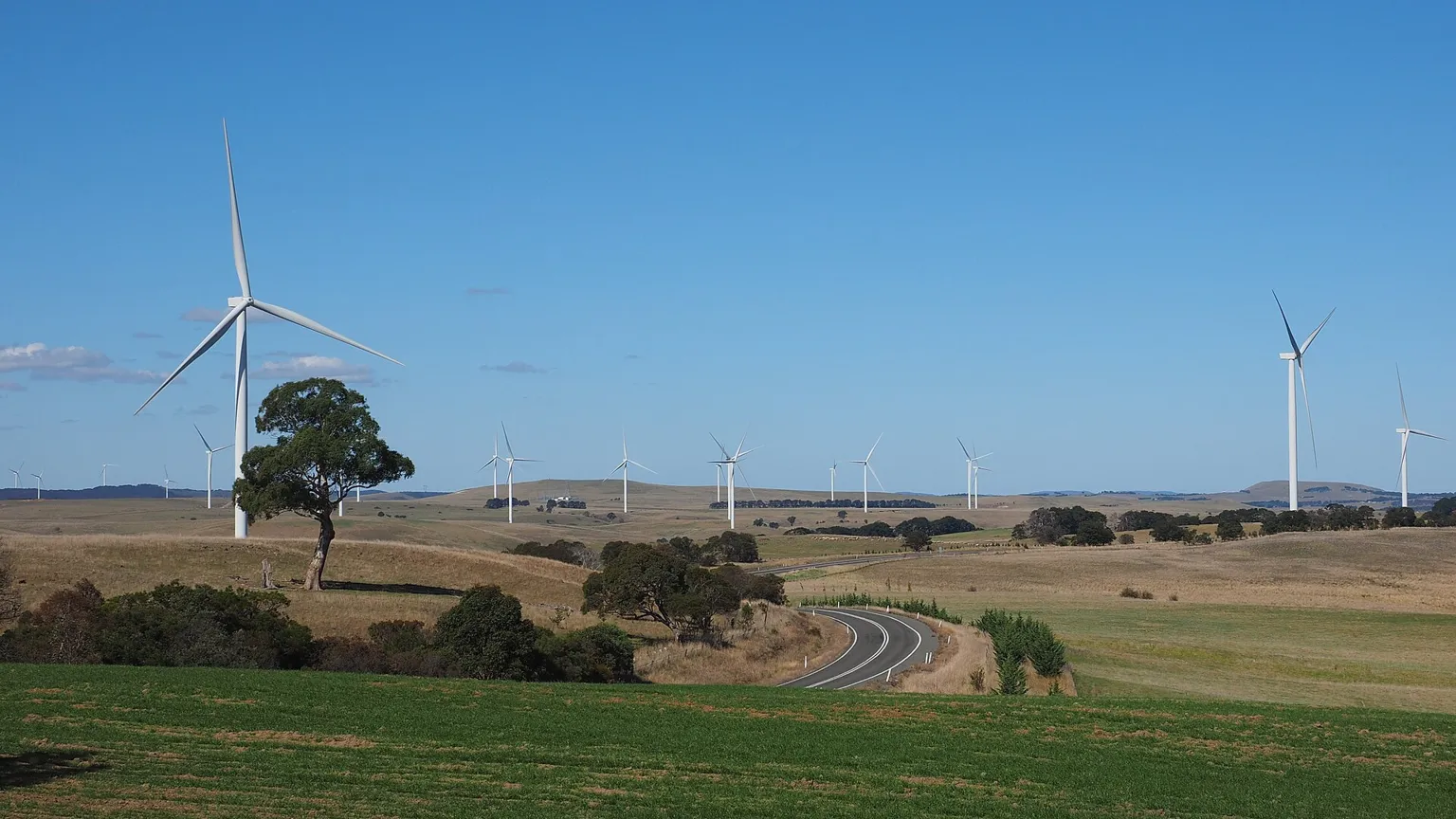
Climate Change and Energy Minister Chris Bowen said on Thursday, October 15, that investors reached final investment decision on 2.1 gigawatts of large-scale renewable capacity in the September quarter, matching the previous quarterly high. Wind accounted for 1.1 GW, its highest in any quarter, and solar for 1 GW, RenewEconomy reported.
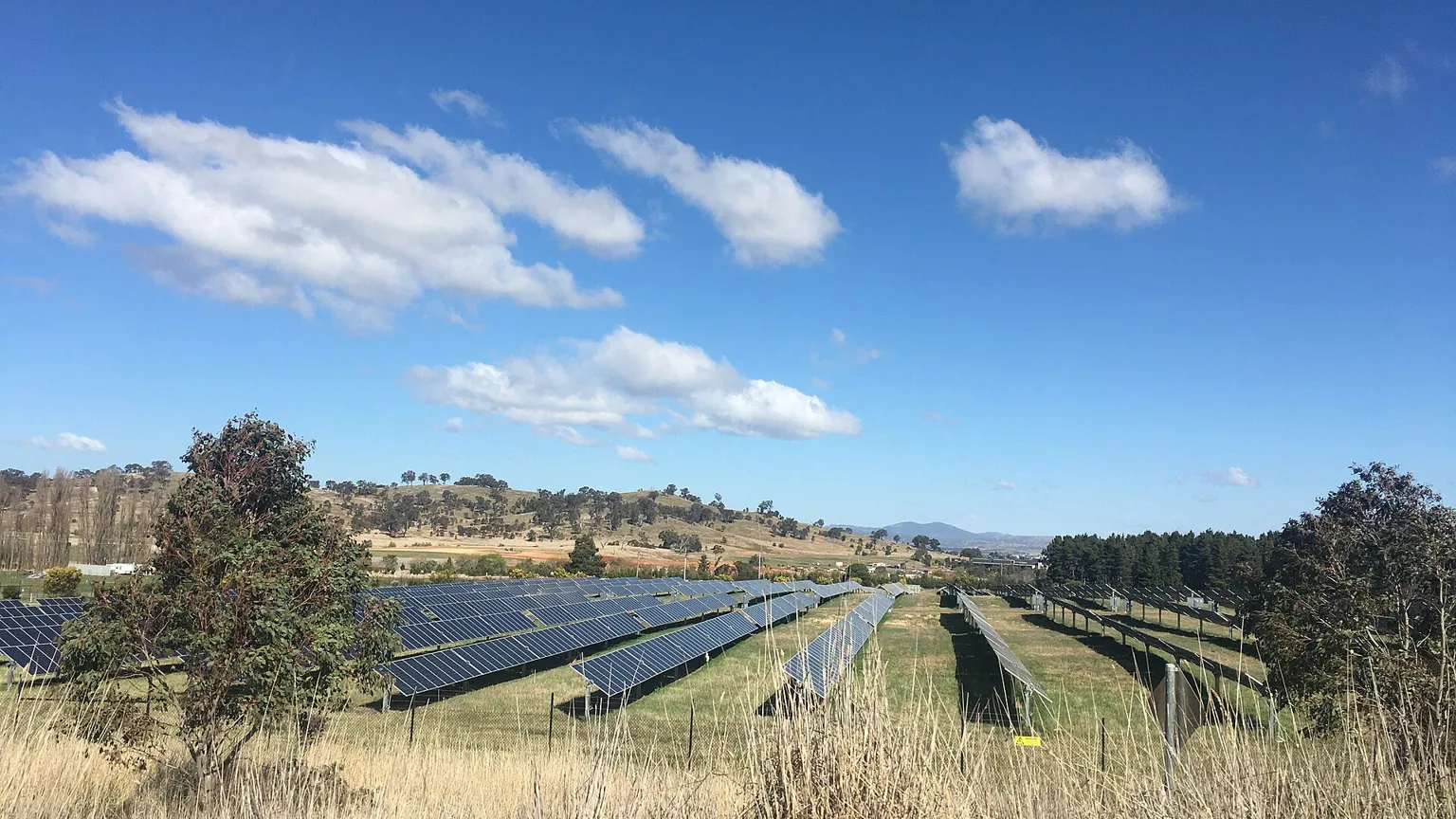
That takes the total to reach FID in 2026 to 5 GW, exceeding the previous full-year tally of 4.9 GW with three months left. Solar accounted for 3.5 GW, a record for any year. The government said large-scale FIDs total almost 17 GW since Labor took office in May 2022.
What an FID is, and is not
A final investment decision means a project's owners have committed finance. It is followed by construction, grid connection, commissioning and only then generation. Each step can take years, and projects can be delayed or reshaped along the way. Capacity that has reached FID is therefore committed, not built, and it produces no electricity yet.
The 2.1 GW figure was described as enough to power around 1.2 million homes. That is a measure of what the projects could supply once operating, not of current output.
The delivery gap
The scale needed is larger than the record. RenewEconomy noted that former Clean Energy Finance Corporation chief Ian Learmonth said last year Australia needed to install about 29 GW of large-scale renewable generation by 2030, roughly 6.3 GW a year. The publication said the lagging rate in earlier years and construction lead times make the 82% renewable electricity target for 2030 challenging.
Grid connection is a known bottleneck: a project needs transmission capacity and connection approval before it can export power. Our sources this week did not quantify how much of the 2026 FID pipeline already has connection agreements, so we do not estimate it.
What is already operating
Some progress is measured in output rather than commitments. Bowen said that last month renewable energy generated more electricity in the national grid than fossil fuels. Households added 90,000 rooftop solar installations and 894 megawatts in the September quarter, and approved home battery capacity reached 15.3 gigawatt-hours by the end of September, up from under 2 GWh a year earlier, according to the government figures reported by RenewEconomy.
New South Wales leads with 5.6 GWh of approved home battery capacity, followed by Victoria and Queensland at about 3.2 GWh each, and year-to-date rooftop solar capacity is 45% higher than at the same point in 2025. "Households are not waiting around," Bowen said. Those are installed, operating assets, which is exactly why they should be counted separately from the FID pipeline.
Australia has a legislated target of a 43% cut in emissions from 2005 levels by 2030, and had achieved about 25 percentage points of that as of March, government data show.
What to watch
Quarterly data on projects reaching commissioning and full output, transmission project timelines, and whether the FID pace holds above the roughly 6 GW a year the 2030 targets imply.