Oil Slips as More Crude Moves Through the Strait of Hormuz
Crude prices eased as increased flows from the Gulf offset heightened security risks in the Strait of Hormuz and concerns over a US storm, with markets displaying notable volatility.
Chanan Zevin - Chief Editor and Head of Desks
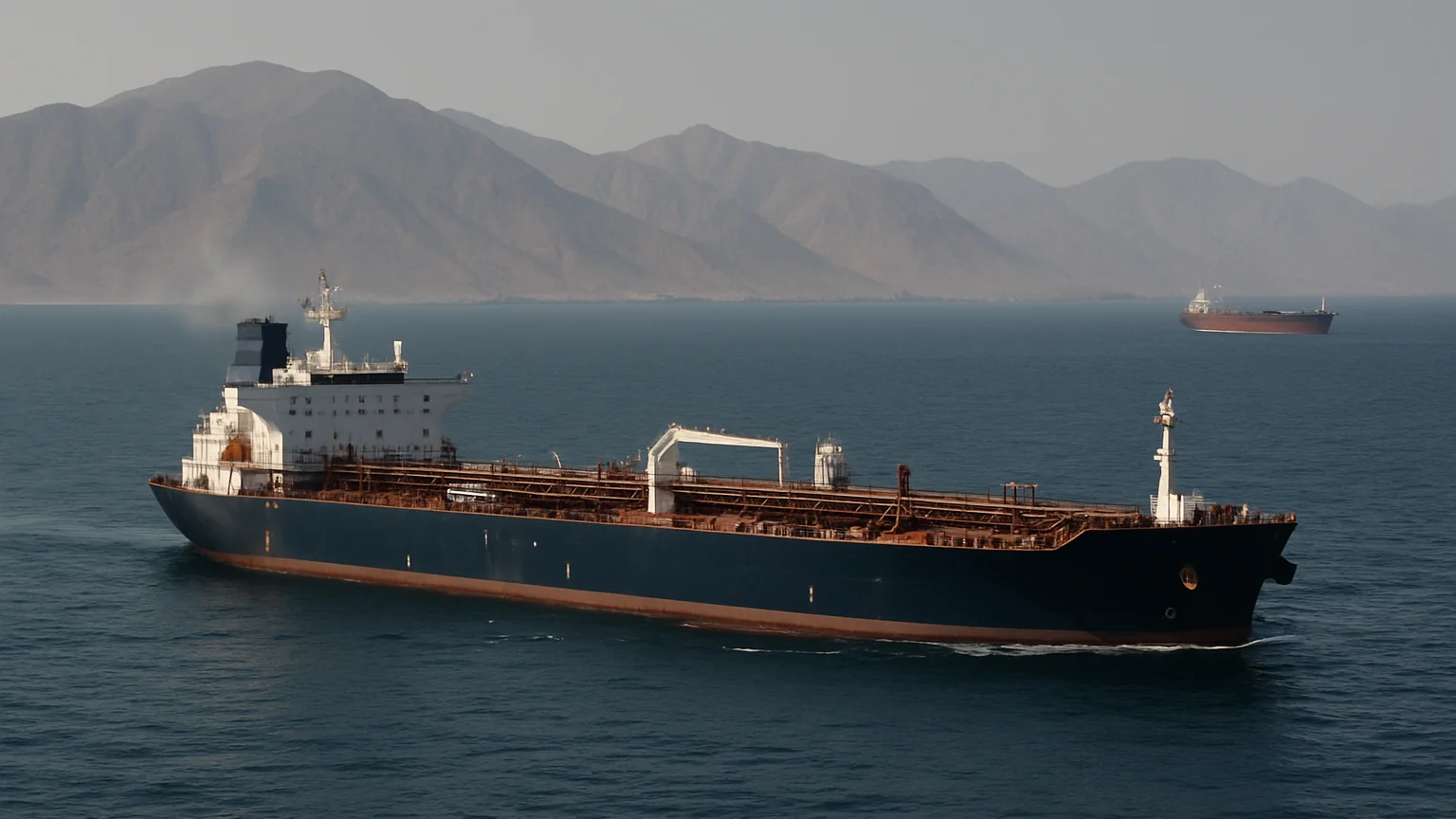
Gulf Flows Offset Hormuz Risks
Oil markets saw a decline in prices as increased flows from the Gulf region counterbalanced ongoing security concerns in the Strait of Hormuz and the threat of a developing storm in the United States. West Texas Intermediate (WTI) traded around $89.00 per barrel during European hours on Wednesday, paring earlier gains as traders assessed the evolving supply landscape. The market’s attention remained fixed on the interplay between improved regional flows and persistent geopolitical risks. [S1]
According to Saudi Arabia’s Energy Minister, the country has expanded flows to 5.8 million barrels per day, contributing to a broader recovery in Middle East shipments. The head of Vitol noted that approximately 12 million barrels per day of crude have successfully departed the region over the past week, reinforcing the notion that, despite security threats, physical movement of oil continues. This recovery has been a stabilizing factor for crude prices. [S1][S2]
Industry analysts observed that Middle East flows have reached about 80% of pre-conflict volumes, with the recent rebound driven largely by Saudi output. While these figures have helped ease immediate supply concerns, the market remains sensitive to headlines, particularly as attacks on vessels in the Strait of Hormuz persist. The balance between increased flows and ongoing risks has contributed to recent price volatility. [S2][S3]
Intraday Swings and Price Levels
Brent crude experienced a volatile session on Tuesday, rising toward $102 a barrel, while WTI hovered above $90 before retreating. At 6:04 a.m. in London, Brent for December settlement was quoted at $101.48 per barrel, up 0.9%, and WTI for November delivery at $90.09, up 0.7%. These intraday swings underscore the market’s heightened sensitivity to both supply developments and geopolitical news. [S2][S3]
Earlier in the week, increased Gulf flows had pushed Brent below $100 and WTI below $90, temporarily easing inflationary pressures. However, both contracts rebounded as reports emerged of intensified Iranian attacks on tankers in the Strait of Hormuz. UK Maritime Trade Operations reported nine attacks in the waterway so far this month, already half the total seen in September. [S3]
Despite the improved flow figures, the market remains highly reactive. As one industry participant noted, the belief that "barrels can keep getting through" is tempered by depleted inventories and tight diesel supplies, leaving the physical market with less cushion than headline numbers suggest. This dynamic has contributed to the pronounced intraday volatility observed in recent sessions. [S2]
Persistent Geopolitical and Weather Risks
The security situation in the Strait of Hormuz remains a central concern for oil markets. Tehran’s stepped-up attacks on vessels have not yet halted the movement of oil and gas, but they have kept the market on edge. US officials acknowledged that while some ships have been targeted, flows have not been significantly disrupted. [S2][S3]
In parallel, the threat of a developing storm in the Gulf of Mexico has added another layer of uncertainty. National forecasters warned that a weather system is expected to intensify into the Atlantic’s first hurricane of the year within 48 hours, potentially impacting offshore US oil and gas infrastructure. Chevron has begun evacuating non-essential staff from Gulf platforms, though no changes to output have been reported. [S2][S1]
These overlapping risks—geopolitical tensions in the Middle East and weather threats in the US—have reinforced the market’s cautious stance. While increased Gulf flows have provided some relief, the potential for sudden disruptions remains, and traders continue to monitor both regional and global developments closely. [S1][S2]
Stockpiles and Policy Responses
Amid ongoing supply concerns, the International Energy Agency (IEA) scheduled an informal meeting to discuss a proposed release of oil and diesel stockpiles. This follows a recent agreement among G7 nations to release up to 100 million barrels of crude and diesel, a move intended to buffer markets against further disruptions. [S1][S2]
US crude inventories contracted by 2.1 million barrels last week, according to an industry estimate, while gasoline holdings also declined and distillates rose. Official data from the Energy Information Administration is expected to provide further clarity. These inventory changes reflect the delicate balance between supply and demand, with lower inventories often contributing to upward price pressure. [S2]
The US Energy Information Administration has raised its oil price forecasts, citing rapidly declining global inventories and tight diesel markets amid ongoing conflict. These conditions highlight the limited ability of governments to absorb further shocks, as global stockpiles are drawn down and product prices remain elevated. [S1][S3]
Market Outlook and Sensitivities
Market participants remain acutely aware of the fragility of current supply arrangements. While increased flows from the Gulf have provided some reassurance, the underlying risks associated with geopolitical tensions and potential weather disruptions persist. As a result, oil prices are likely to remain volatile in the near term. [S2][S3]
Analysts emphasize that the market’s focus extends beyond headline crude prices to include refined products and inventory levels. The physical market’s limited cushion, due to depleted stockpiles and tight diesel supplies, means that even modest disruptions could have outsized effects on prices. [S2][S4]
In summary, while recent increases in Gulf flows have helped stabilize crude prices, the market remains highly sensitive to both geopolitical and weather-related risks. The interplay between improved supply and persistent threats will continue to shape price dynamics and market sentiment in the coming weeks. [S1][S2][S3]