Euro Posts Biggest Gain Since August as French Bond Yields Fall
The euro recorded its strongest daily gain since August, recovering from a 17-month low as French bond yields retreated and regional fiscal concerns eased.
Chanan Zevin - Chief Editor and Head of Desks
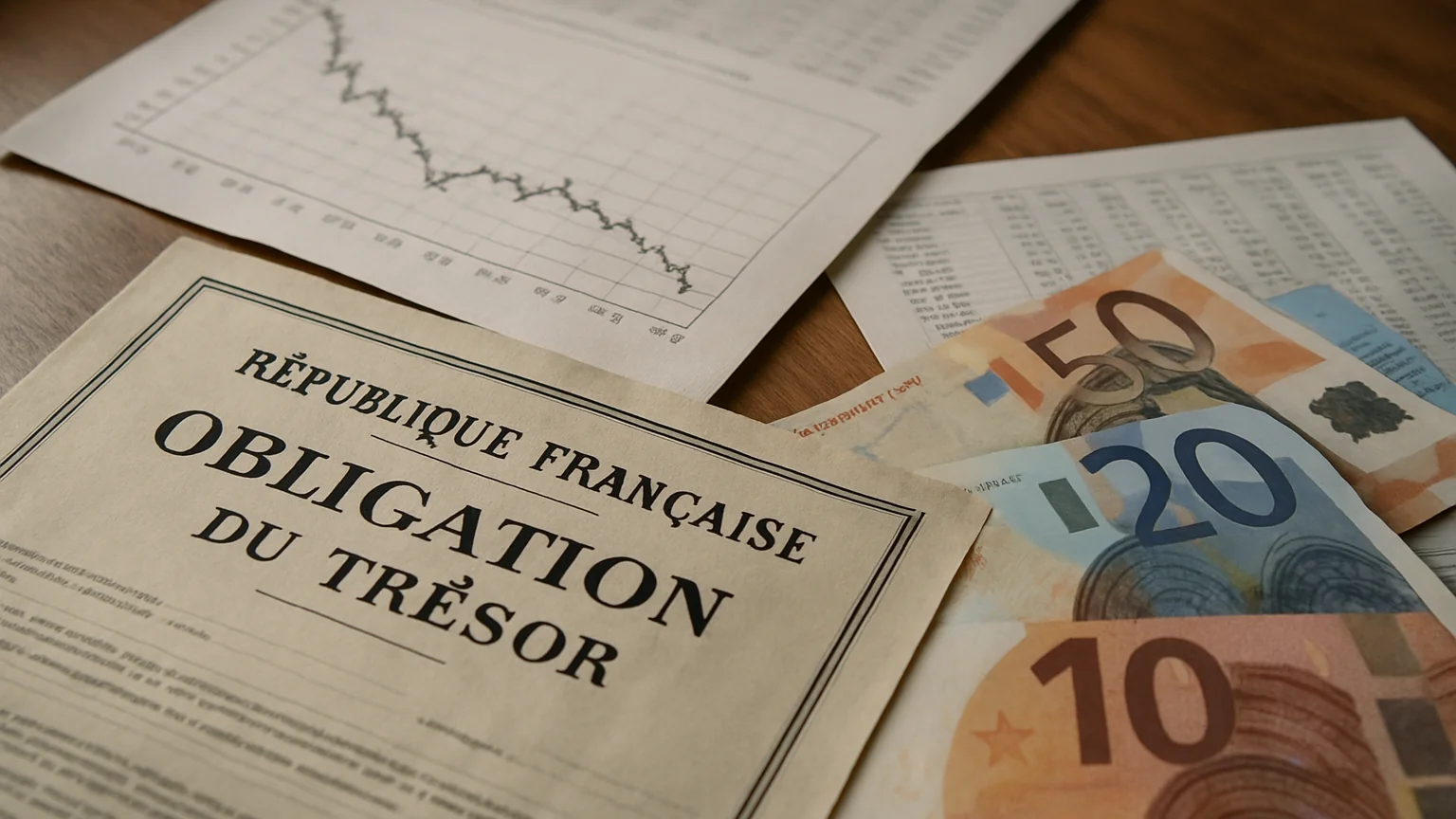
Euro Rebounds Amid Cooling Debt Concerns
The euro staged a notable recovery on Tuesday, posting its largest daily gain since August 19, after falling to a 17-month low the previous day. The currency rose 0.35% to $1.126, reversing a period marked by four consecutive weeks of decline and a recent drop of more than 1% [S1].
This rebound was closely linked to a decline in French government bond yields, which helped alleviate mounting fears over euro zone debt markets. The euro had previously fallen to its lowest level since May 2025, trading at $1.116 on Monday [S2].
The broader context for the euro's weakness included global bond market volatility, driven by expectations of sharp central bank rate hikes and surging energy prices, which have contributed to inflationary pressures and concerns about government finances [S1].
French Fiscal Pressures and Political Dynamics
French government debt has come under increased scrutiny as politicians face challenges in reducing the budget deficit ahead of a divisive presidential election in 2027. This fiscal uncertainty has contributed to recent volatility in both bond and currency markets [S2].
On Tuesday, far-right presidential candidate Marine Le Pen, who currently leads in the polls, expanded her proposed spending cuts to €140 billion ($158 billion), up from €125 billion previously, should she win the 2027 election [S1].
The sources do not specify the detailed fiscal measures under discussion, but the political climate and fiscal policy debates are seen as key factors influencing investor sentiment towards French assets and, by extension, the euro [S2].
Spain’s Snap Election and Regional Impacts
The announcement of a snap election in Spain has added to the recent pressure on the euro, reflecting broader political uncertainty within the euro zone. Market participants have responded to these developments by reassessing risk across the region [S2].
While the sources confirm the occurrence of the snap election, they do not provide further details on its timing or expected outcomes. Nonetheless, the event has contributed to heightened sensitivity in both bond and currency markets [S2].
The combination of French fiscal debates and Spanish political developments has created a complex backdrop for the euro, with investors closely monitoring both countries for signals that could affect euro zone stability [S1].
Energy Prices and Bond Market Responses
An early decline in energy prices on Tuesday provided relief to French bonds, with the key 10-year yield falling by 11.4 basis points to 4.7506%. This move was instrumental in easing debt market concerns and supporting the euro’s recovery [S2].
Crude prices had dropped as increased Middle Eastern crude supply and a G7 emergency stockpile release alleviated supply worries. However, these price declines were later erased as crude rebounded, underscoring ongoing volatility in energy markets [S1].
Market strategists noted that the sharp drop in oil prices, following strategic advances by Saudi-backed Yemeni government forces, contributed to lower yields in France and Italy, helping to stabilize the euro after a period of significant stress [S2].
Federal Reserve Expectations and Currency Markets
The US dollar index fell 0.32% to 101.83, marking its largest daily decline since September 3. This weakening of the dollar provided additional support for the euro and other major currencies, including sterling, which rose 0.42% to $1.3275 [S1].
Expectations for a Federal Reserve rate hike at the upcoming policy meeting have moderated following weaker-than-expected US jobs data and dovish comments from some Fed officials. The probability of a 25 basis point hike in October stands at about 19%, down from 51% a week earlier, while markets price in an 86% chance for a hike in December [S2].
Despite recent calls for patience from some Fed officials, others, such as Kansas City Fed President Jeff Schmid, have emphasized the need for further rate increases to combat inflation. The sources do not specify the precise impact of Fed policy on the euro, but shifting expectations have clearly influenced global currency dynamics [S1].